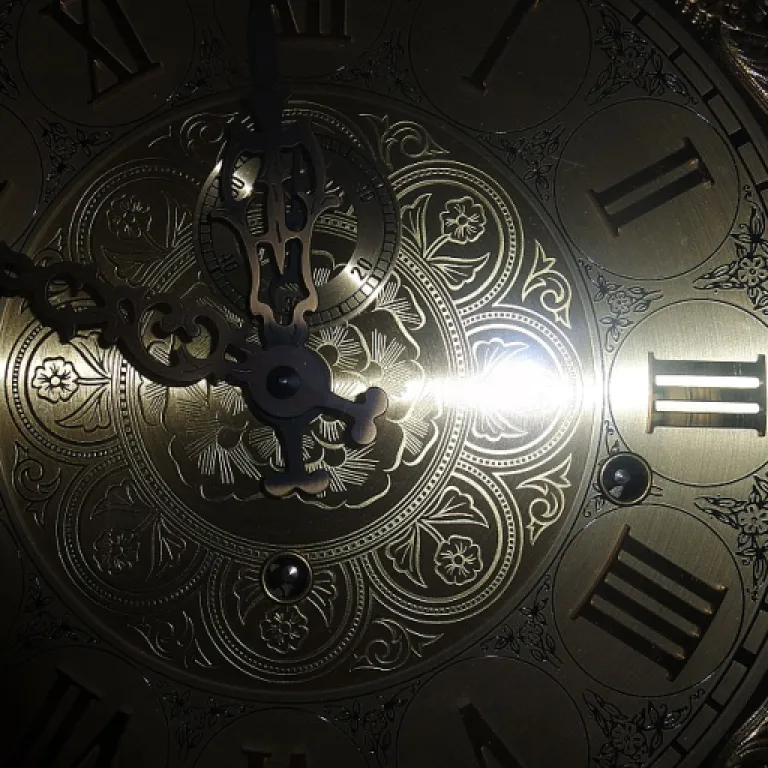
Understanding what makes a watch rare
Defining Rarity in the World of Watches
When we talk about rare watches, it’s not just about a high price tag or a famous brand like Rolex or Patek Philippe. Rarity in watches is a blend of several factors that go beyond the obvious. For collectors and enthusiasts, understanding what makes a watch rare is the first step in appreciating the exclusivity and allure of these timepieces.
- Limited Production: Many rare watches are produced in extremely limited quantities. Limited edition models from brands such as Audemars Piguet or the Rolex Yacht Master are prime examples. Sometimes, only a handful of pieces are made, making them highly sought after.
- Unique Materials: The use of materials like rose gold, white gold, or even unique blends of stainless steel and gold can set a watch apart. For instance, a steel blue or steel black dial variant may be produced in smaller numbers than regular models, increasing its rarity.
- Special Features: Distinctive features such as a black dial, blue dial, or a specific complication can make a watch stand out. Collectors often look for details like box and papers, which add to the provenance and value of pre owned watches.
- Historical Significance: Some watches gain rarity status due to their place in history. A Rolex Submariner or a Patek Philippe with a unique story or previous ownership can command a higher price at sale or auction.
- Condition and Completeness: Watches that are sold with their original box, papers, and in pristine condition are much rarer than those without. This is especially true for older models, such as a vintage Rolex GMT or a steel white dial Datejust.
Brands like Seiko, while known for their regular production models, also release limited edition pieces that quickly become collector’s items. The same goes for luxury icons like the Rolex Day, GMT Master, or even the elusive Patek Philippe Nautilus in stainless steel.
For those looking to explore rare watches in person, discovering the finest luxury watch boutiques in New York City can be an eye-opening experience. These boutiques often showcase exclusive pieces, from steel blue dials to rose gold masterpieces, and provide insights into what makes each watch unique.
Understanding rarity is just the beginning. The next step is to appreciate the craftsmanship that elevates these watches from mere objects to works of art, and how collectors identify, value, and authenticate these treasures in a constantly evolving market.
The role of craftsmanship in rare watches
The invisible artistry behind every rare timepiece
When it comes to rare watches, craftsmanship is more than just a buzzword—it’s the very soul of exclusivity. The difference between a regular watch and a truly rare piece often lies in the meticulous attention to detail, the choice of materials, and the mastery of traditional techniques. Whether it’s a stainless steel Rolex Submariner, a white gold Patek Philippe, or a limited edition Audemars Piguet, the journey from raw materials to a finished watch is a story of passion and precision.
- Materials matter: Rare watches often feature precious metals like gold, rose gold, or white gold, but even stainless steel can become exclusive when crafted with expertise. The use of unique alloys, hand-finished steel black or steel blue cases, and carefully selected dials—black, blue, or white—sets these watches apart from mass-produced models.
- Hand-finished details: The dial is often a canvas for artisans. Techniques like guilloché, enamel, or hand-applied indices elevate the aesthetic. Even the box and papers that accompany a pre owned watch can reflect the brand’s commitment to quality.
- Movement mastery: Inside, the movement is assembled and decorated by hand. Brands like Seiko, Patek Philippe, and Rolex are known for their in-house calibers, which are often visible through sapphire casebacks. The complexity and finishing of these movements play a significant role in the watch’s price and desirability.
Collectors and enthusiasts often seek out watches that showcase these artisanal qualities. Whether it’s a steel white Yacht Master, a black dial GMT Master, or a blue dial Datejust, the craftsmanship is what transforms a watch from a simple timekeeper into a work of art. For a deeper dive into the world of rare watch collections and the artistry behind them, check out this exploration of rare watch collections.
Ultimately, the value of rare watches is inseparable from the skill and dedication of the craftsmen behind them. This invisible artistry is what drives demand, influences sale prices, and ensures that these timepieces remain coveted for generations—whether sold with box papers, as a limited edition, or as a pre owned treasure.
How collectors identify and value rare watches
Key Factors Collectors Examine
When it comes to identifying and valuing rare watches, collectors rely on a blend of expertise, market knowledge, and a keen eye for detail. The process is far more nuanced than simply looking at the brand or the price. Here are some of the main aspects that seasoned collectors consider:
- Provenance and Documentation: Watches with original box, papers, and a clear history command higher value. A pre owned Rolex Submariner with box papers, for example, is far more desirable than one without.
- Materials and Variations: The use of gold, rose gold, white gold, or stainless steel can significantly impact a watch’s desirability. Limited edition models, or those with unique dial colors like black, blue, or white, often attract more attention. Steel black and steel blue variants, especially in lines like the Rolex GMT Master or Patek Philippe Nautilus, are particularly sought after.
- Condition and Authenticity: Collectors scrutinize the condition of the dial, case, and movement. Watches that remain in regular, unpolished condition are generally more valuable. Authenticity checks are crucial—counterfeit or heavily altered pieces lose significant value.
- Rarity and Production Numbers: Watches produced in limited numbers, or with rare features, are highly prized. For instance, a limited edition Audemars Piguet or a rare Patek Philippe complication can fetch impressive sale prices at auction.
- Market Trends and Recent Sales: Keeping an eye on what has recently sold—such as a steel white Rolex Datejust or a yacht master in rose gold—helps collectors gauge current demand and price points.
Valuation Methods and Tools
Valuing a rare watch isn’t just about the initial purchase price. Collectors often consult auction results, dealer listings, and specialized databases to determine the current market value. Watches like the Rolex Yacht Master or the GMT Master in steel are frequently referenced due to their strong secondary market performance. The presence of original box and papers, as well as the watch’s service history, can add a premium to the price.
Authentication and Sourcing Challenges
Authenticating a rare watch is a critical step. Collectors may use independent experts or rely on trusted dealers to verify the originality of components, from the dial to the movement. The challenge is even greater with vintage models, where replacement parts or refinished dials can affect value. For those with sensitive skin, choosing the right hypoallergenic watch bands can also be a consideration—see this guide to hypoallergenic watch bands for more details.
| Watch Model | Material | Dial Color | Box/Papers | Recent Sale Price |
|---|---|---|---|---|
| Rolex Submariner | Stainless Steel | Black | Yes | €14,500 |
| Patek Philippe Nautilus | Steel Blue | Blue | Yes | €120,000 |
| Rolex GMT Master II | Steel Black | Black | No | €18,000 |
| Audemars Piguet Royal Oak | Rose Gold | White | Yes | €95,000 |
Ultimately, identifying and valuing rare watches is a blend of art and science. The process demands attention to detail, a deep understanding of the market, and a passion for the stories behind each timepiece.
Notable examples of rare watches in the market
Icons of Rarity: Market Standouts
When discussing rare watches, certain models immediately come to mind for collectors and enthusiasts. These timepieces are not just defined by their scarcity, but also by their impact on the market, their craftsmanship, and the stories behind their creation and sale.- Patek Philippe Nautilus 5711/1A: The stainless steel Nautilus with a blue dial has become a legend. Its discontinuation sent prices soaring, with pre owned examples often selling well above retail. The combination of steel, blue dial, and the Patek Philippe name makes it a grail for many.
- Rolex Daytona "Paul Newman": Known for its exotic dial, this Rolex is one of the most sought-after vintage watches. The price for a well-preserved Daytona with box and papers can reach record highs at auction, especially in steel or gold variants.
- Audemars Piguet Royal Oak "Jumbo": Limited edition releases and early steel models with black or blue dials are highly coveted. The Royal Oak’s unique design and history of innovation in stainless steel luxury watches have made it a staple in rare watch collections.
- Rolex Submariner "COMEX": Produced for a French diving company, these Submariners feature unique dial markings. Their rarity and provenance drive up the price, making them a highlight at any sale.
- Patek Philippe Grand Complications: Complicated watches in white gold, rose gold, or platinum, especially those with black or blue dials, are often produced in extremely limited numbers. Collectors value these for their technical mastery and exclusivity.
- Rolex GMT-Master "Pepsi": Early steel models with the iconic blue and red bezel, especially those with original box papers, are highly prized. The GMT Master’s history and design evolution add to its appeal.
What Drives Value in Rare Watches?
Several factors influence the price and desirability of these watches:- Material: Stainless steel, white gold, and rose gold each have their own following. Steel black or steel blue variants, for example, can command a premium due to their understated elegance and rarity.
- Dial Color: Black, blue, and white dials are often produced in smaller numbers for certain references, making them more collectible.
- Condition: Watches sold with original box and papers, and in pre owned but excellent condition, are more valuable. Complete sets are especially important for collectors.
- Limited Editions: Brands like Seiko, Audemars Piguet, and Patek Philippe release limited edition models that quickly become sought after, especially when production numbers are low.
Recent Sales and Market Trends
Auction results and private sales continue to set new benchmarks. For instance, a Rolex Yacht Master in steel white or a Rolex Datejust with a rare dial can fetch impressive sums. The demand for rare watches, whether it’s a vintage GMT Master or a modern limited edition, shows no sign of slowing down. Collectors are increasingly looking for pieces that combine heritage, exclusivity, and condition—especially those with box papers and a compelling backstory. The world of rare watches is dynamic, with new records set regularly and a growing appreciation for both classic and contemporary models. Whether it’s a steel blue Nautilus or a gold Rolex Day, these watches embody the pinnacle of exclusivity and craftsmanship.Challenges in sourcing and authenticating rare watches
Obstacles in Finding and Verifying Rare Watches
The pursuit of rare watches is not for the faint of heart. Collectors and enthusiasts face a unique set of challenges when sourcing and authenticating these exceptional timepieces. The stakes are high, with prices for models like the Patek Philippe Nautilus or a Rolex Submariner in stainless steel reaching record levels at sale and auction. Here’s what makes the journey so complex:- Provenance and Authenticity: The presence of original box and papers is crucial. Without these, verifying the authenticity of a watch—whether it’s a steel black dial Rolex GMT Master or a limited edition Audemars Piguet—becomes significantly harder. Fakes and "Frankenwatches" (pieces assembled from non-original parts) are increasingly sophisticated, making expert evaluation essential.
- Condition and Originality: Collectors scrutinize every detail, from the patina on a vintage black dial to the finish on a white gold case. Even a minor replacement part can impact value. Watches in regular use, especially pre owned models, often show wear that must be carefully assessed.
- Market Transparency: The rare watch market is less transparent than the regular retail sector. Private sales, discreet transactions, and limited edition releases mean that reliable price data can be scarce. This is especially true for models like the steel blue Patek Philippe or rose gold Yacht Master, where only a handful may be sold each year.
- Documentation and Service History: Complete records, including service papers and original box, are highly valued. Missing documentation can raise doubts, affecting both price and desirability—whether it’s a Rolex Datejust in steel white or a blue dial Seiko limited edition.
| Watch Model | Key Authentication Points | Common Pitfalls |
|---|---|---|
| Rolex Submariner | Serial numbers, dial font, bracelet type | Aftermarket parts, missing box papers |
| Patek Philippe Nautilus | Movement engraving, case finish, papers | Polished cases, replaced hands |
| Audemars Piguet Royal Oak | Caseback engravings, tapisserie dial | Non-original screws, refinished dials |
| Rolex GMT Master | Bezel insert, dial color, box | Incorrect bezel, mismatched bracelet |
The evolving market for rare watches
Shifting Tides in the Rare Watch Market
The landscape for rare watches is in constant motion, shaped by global demand, evolving tastes, and the relentless pursuit of exclusivity. Collectors and enthusiasts are witnessing a transformation in how rare pieces—whether a vintage rolex submariner with box papers or a limited edition patek philippe in white gold—are sourced, valued, and sold.
Digital Platforms and Auction Houses
Online sales platforms and established auction houses have made rare watches more accessible to a global audience. This shift has increased transparency in price discovery and allowed collectors to track the sale of iconic models like the rolex gmt master, audermars piguet, and yacht master in real time. The rise of digital platforms has also made it easier to verify authenticity, with detailed listings including box, papers, and high-resolution images of the dial—whether black, blue, or white.
Changing Collector Preferences
While traditional favorites such as stainless steel rolex datejust or steel black patek models remain highly sought after, there is growing interest in unconventional materials and colorways. Rose gold, steel blue, and pre owned limited editions are gaining traction, reflecting a desire for individuality. Even brands like seiko are seeing their rare models—especially those in stainless steel or with unique black dial—fetch impressive prices at sale.
Market Volatility and Investment
The rare watch market is not immune to economic shifts. Fluctuations in demand for gold or steel white models, as well as the impact of global events, can affect both regular and limited edition pieces. However, watches with complete provenance—box papers, original min read, and documented history—tend to hold or increase in value, especially for icons like the rolex day or gmt master.
Looking Ahead
- Expect continued growth in demand for rare patek philippe and rolex yacht models, particularly those in stainless or rose gold.
- Authentication and provenance will remain crucial, with buyers seeking full box and papers for peace of mind.
- Emerging markets and younger collectors are likely to influence trends, favoring bold designs and unique colorways like steel blue or black dial.
As the market evolves, the allure of rare watches—whether a pre owned rolex submariner or a limited edition audermars piguet—remains rooted in craftsmanship, exclusivity, and the stories each piece carries.