Building a watch collection with real roles, not fantasies
Building a watch collection starts with roles, not references. Before you buy a single watch, define five roles that your future watches will fill over time. Those roles are daily wearer, formal piece, travel companion, active or tool watch, and something purely sentimental.
A serious collector will map each role to a clear use case, such as a casual watch for the office, a dress watch for black tie, or a field mechanical piece for weekends outdoors. When you think in roles, you stop chasing hype and start building watch discipline, because every new watch must justify its place in the collection. This is how watch collecting becomes a coherent strategy instead of a random pile in a watch box.
The daily wearer should be robust, versatile and sized between 36 and 40 millimetres for most wrists. A Hamilton Khaki Field Mechanical in 38 millimetres is a textbook first field mechanical watch, with a hand wound mechanical movement that teaches you to interact with your watch every morning. That single ritual changes how you see time and sets the tone for the rest of your collecting journey.
For the formal role, a slim dress watch with a restrained design and leather straps will sit under a cuff and age gracefully. Think of an IWC Portofino or a simple rose gold Vacheron Constantin Patrimony, both with clean dials and discreet cases that do not shout across the room. These watches will not dominate your watch collection, but they anchor it with quiet authority when the occasion demands elegance.
The travel role is where a Rolex GMT Master or an Omega Speedmaster with a robust case and clear bezel markings earns its keep. A good travel watch must handle changing time zones, airport security trays and casual dinners without feeling precious or fragile. When you assign this role early, you avoid buying three similar dive watches that all fight for the same wrist time.
First three watches that teach you how to collect
The smartest way of building a watch collection is to plan a first three watch sequence. Start with a daily casual watch, then add a more formal piece, and finally a travel or tool watch that broadens your experience. Each of these watches will teach you something different about design, comfort and long term ownership.
For many collectors, the first serious build watch is not a Rolex but a Tudor Black Bay, a Longines Spirit or an entry level Grand Seiko automatic. These watches offer strong mechanical movement quality, honest finishing and good value in the 3 000 to 5 000 euro range, which is where your first 5 000 usually buys the most watch. You learn how a solid bracelet feels, how a 70 hour power reserve changes your routine, and how a well regulated calibre keeps time over months, not days.
The second slot often goes to a dress watch that balances your casual watch, such as an IWC Portugieser on leather or a slim Seiko Presage with enamel dial. This is where you start caring about case thickness, lug to lug length and how straps change the personality of the piece. A rose gold case might feel too loud at first, but paired with a dark strap it can become the best quiet luxury signal in a formal setting.
Third, add a travel or tool watch that can take abuse, like a Rolex Explorer, a Grand Seiko GMT or a Hamilton Khaki Field Automatic. This is the moment when you understand why collectors obsess over screw down crowns, water resistance and legibility at night. You also learn that a proper tool watch on nylon or rubber straps will often get more wrist time than your most expensive dress watch.
As you move through these first three watches, your budget discipline improves because every new piece must fill a clear gap. Saying no to a casual impulse buy becomes easier when you know your next slot is reserved for a specific reference or complication. Matching a refined watch to jewellery, such as pairing a slim dress watch with an 18 karat gold ring as a companion piece, also sharpens your sense of proportion and style.
Avoiding hype traps and learning from vintage
Many aspiring collectors start building a watch collection by chasing a modern Rolex Submariner at retail. That path usually leads to waiting lists, frustration and a watch box full of consolation purchases that never quite satisfy. A better strategy is to study vintage watches and understand why a vintage Submariner 5513 still defines the category decades later.
Vintage watch collecting forces you to look at cases, dials and hands with forensic attention. You learn how a polished case loses its sharp bevels, why original tritium lume matters, and how a good service history can be more important than a full set of papers. Spending time with vintage Seiko divers or older IWC pilot watches will train your eye for honest wear versus aggressive restoration.
Instead of stretching your budget for a single modern Submariner, you might allocate the same money to a clean vintage piece plus a modern casual watch. A vintage Omega Speedmaster Professional with a hesalite crystal can coexist beautifully with a contemporary Grand Seiko on a steel bracelet, giving you two very different experiences of time. One tells the story of space exploration, the other showcases Japanese finishing and razor sharp case design.
Vintage Casio digital watches also have a place in a serious collection, especially as casual beaters that you can wear without worry. A classic Casio G Shock in a square case teaches you about function first design and the value of a true tool watch that shrugs off abuse. These watches will never replace a hand wound Vacheron Constantin, but they remind you that not every wrist moment needs to be precious.
When you feel the pull of hype, ask whether the watch in question fills a real role or just scratches a temporary itch. If it does not clearly improve your watch collection, let the great deal pass and keep your budget for something that will. Exploring nuanced aesthetics, such as the appeal of light blue dial watches that captivate collectors, is often more rewarding than chasing the same reference everyone else posts on social media.
Budget, servicing and the real cost of ownership
Serious watch collecting lives or dies on budget discipline and an honest view of long term costs. The sticker price is only the beginning, because servicing, insurance and occasional strap changes all add up over time. A mechanical movement from Rolex, Grand Seiko or IWC will need a full service roughly every five to ten years, depending on use and environment.
Each service can cost several hundred to a few thousand euros, especially for complicated watches with chronographs, perpetual calendars or minute repeaters. That means a watch with a lower purchase price but high service cost might be a worse long term proposition than a more expensive but simpler field mechanical piece. When you plan your collection, allocate a yearly maintenance budget of around one to two percent of the total replacement value of your watches.
Resale value also matters, but not in the way forums often suggest. Watches will rarely behave like stocks, and even the best investment watches can stagnate or fall in value for long stretches of time. Treat potential resale as a safety net rather than a guaranteed profit, and remember that condition, originality and complete documentation in the watch box usually matter more than the brand name alone.
For everyday pieces, a good Seiko or Casio can deliver reliable timekeeping with minimal servicing costs, which frees budget for one or two halo pieces. A Hamilton Khaki Field or a Longines Spirit with a long power reserve and robust case construction can be worn hard without constant worry about depreciation. These watches will not dominate auction headlines, but they quietly support the rest of your collection by taking daily wear away from more delicate pieces.
When you finally step up to a rose gold Vacheron Constantin or a limited edition Omega Speedmaster, you do it with clear eyes about total cost of ownership. You know that a hand wound calibre with a display back is a joy to wind but also a responsibility to service on schedule. That is the difference between building watch fantasies and running a mature, sustainable collection that you can enjoy for decades.
Strategy, roles and the two questions before every purchase
Once the foundation is set, building a watch collection becomes a long game of refinement. You start to think in terms of overlapping roles, strap versatility and how each new watch will actually wear over the next ten years. At this stage, the best collectors ask two hard questions before every purchase.
The first question is simple ; what exact role will this watch fill that nothing else in my collection already covers. If you already own a casual watch, a dress watch and a field mechanical piece, maybe the next slot should be a dedicated travel GMT or a high end chronograph. A Rolex GMT Master, a Grand Seiko Spring Drive GMT or an Omega Speedmaster can each justify their place if they bring a new function, aesthetic or wearing experience.
The second question is whether you would still buy this watch if resale value dropped by half tomorrow. If the answer is no, you are speculating, not collecting, and your budget will eventually punish you. Watches will come and go, but the ones that stay are usually the pieces that feel right on the wrist regardless of market chatter.
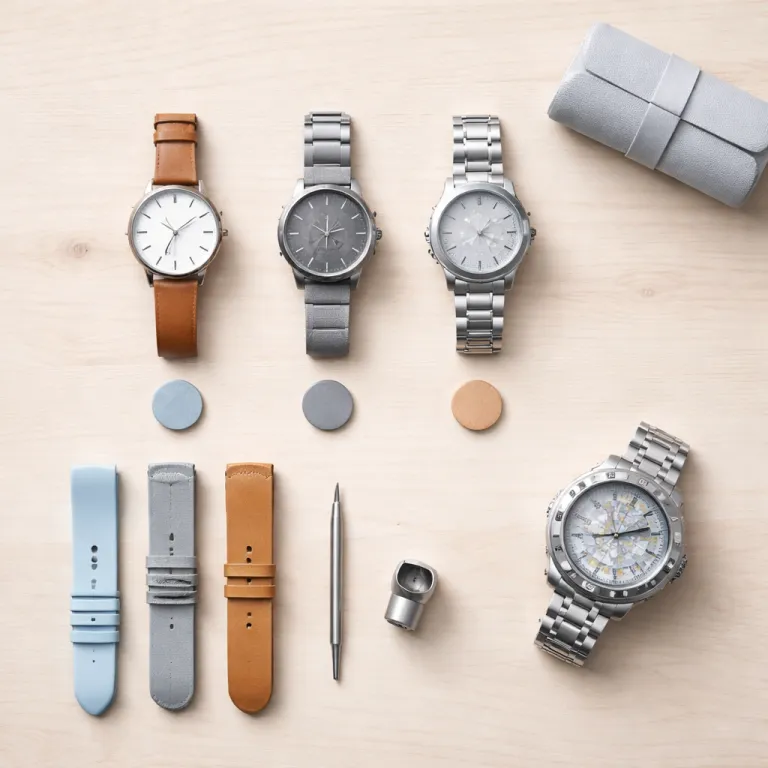
Straps are your secret weapon for refreshing familiar watches and exploring new moods without another big purchase. A tool watch on a NATO strap becomes a weekend field companion, while the same case on alligator leather can almost pass as a dress watch in a casual office. Rotating straps through your watch box also reveals which watches you truly love, because those are the ones you keep reaching for when you have every option.
As your taste matures, you might add a hand wound dress piece in rose gold, a limited edition collaboration or even an ultra light technical piece, informed by reading about the art of ultra light luxury watchmaking. The key is that each new watch must earn its place through clear purpose, honest design and long term wearability. That is how you build watch collections that tell your story, not the market’s, and how you end up with wrist presence after ten years, not just a drawer full of press releases.
Frequently asked questions about building a watch collection
How many watches do you need for a balanced collection ?
A balanced watch collection usually needs three to five well chosen pieces. One daily casual watch, one dress watch and one tool watch cover most situations comfortably. Beyond that, each additional watch should bring a new function, material or design language.
Is a Rolex essential for serious watch collecting ?
A Rolex is not mandatory for serious watch collecting, even though the brand dominates resale charts. Many collectors build excellent collections around Grand Seiko, Omega, IWC and Vacheron Constantin without ever owning a Rolex. What matters is coherent roles, honest design and how the watches fit your lifestyle and budget.
Should you start with vintage or modern watches ?
Starting with modern watches is usually safer because they offer warranties, known service histories and better water resistance. Vintage watches reward deeper knowledge and patience, so they make more sense once you understand cases, dials and movement conditions. A mix of one or two modern pieces with a carefully chosen vintage watch often gives the best learning curve.
How much should you spend on your first serious mechanical watch ?
For a first serious mechanical watch, a budget between 2 000 and 5 000 euros offers strong options from brands like Longines, Tudor, Grand Seiko and Omega. In this range you get robust movements, solid finishing and designs that will not date quickly. Spending more only makes sense once you know exactly which role and reference you want to fill.
How important is a watch box for long term collecting ?
A good watch box is essential because it protects your watches from dust, scratches and accidental drops. Proper storage also helps you see your collection as a whole, which makes it easier to spot overlaps and gaps. Over time, a well organised watch box becomes a visual map of your collecting strategy and priorities.