Case architecture, finishing, and the language of luxury
The case of a luxury watch is not just a container for the movement, it is a three dimensional manifesto of design intent. On the best stainless steel luxury watches, every chamfer, lug curve, and bezel angle is calculated to catch light in a specific way. This is why collectors obsess over the sharpness of a Royal Oak bezel edge or the fluid lines of a Cartier dress watch case.
Consider how different brands interpret steel architecture across their watches and collections. Audemars Piguet uses stainless steel in the Royal Oak and in the Piguet Royal Oak variations to emphasize integrated bracelet geometry, while Bulgari sculpts the Octo Finissimo case in ultra thin layers that still maintain robust water resistance for everyday use. By contrast, Cartier often prefers rounded steel cases for its sport watch and dress watch lines, where the focus is on elegance and discreet luxury rather than overt technicality.
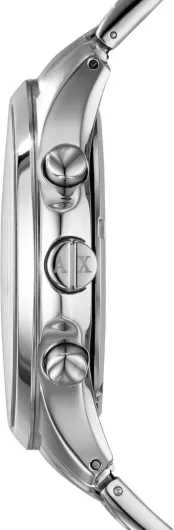
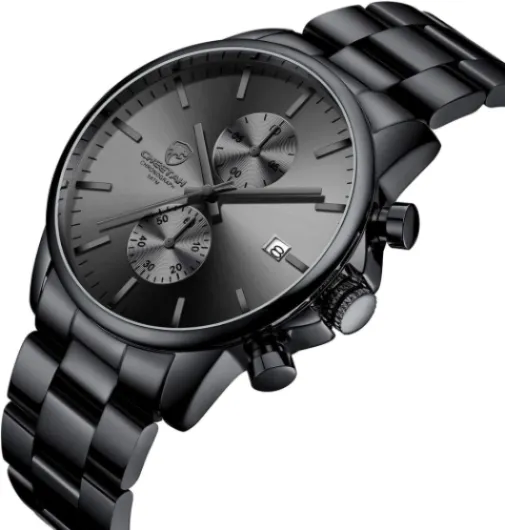
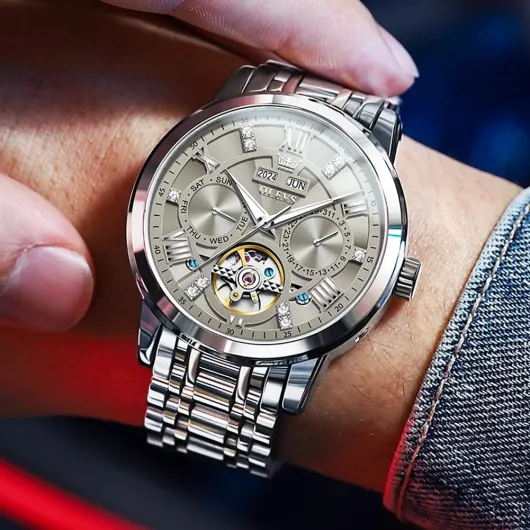
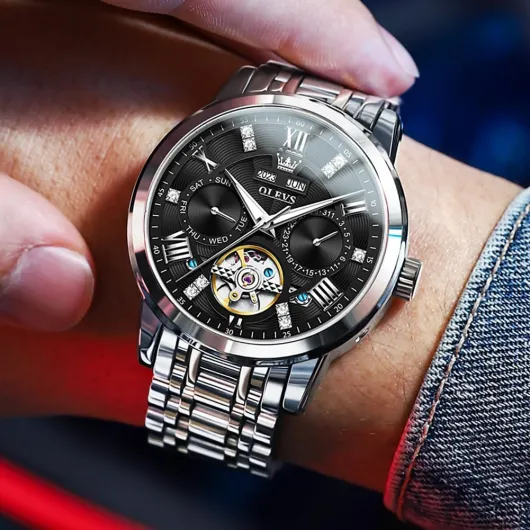
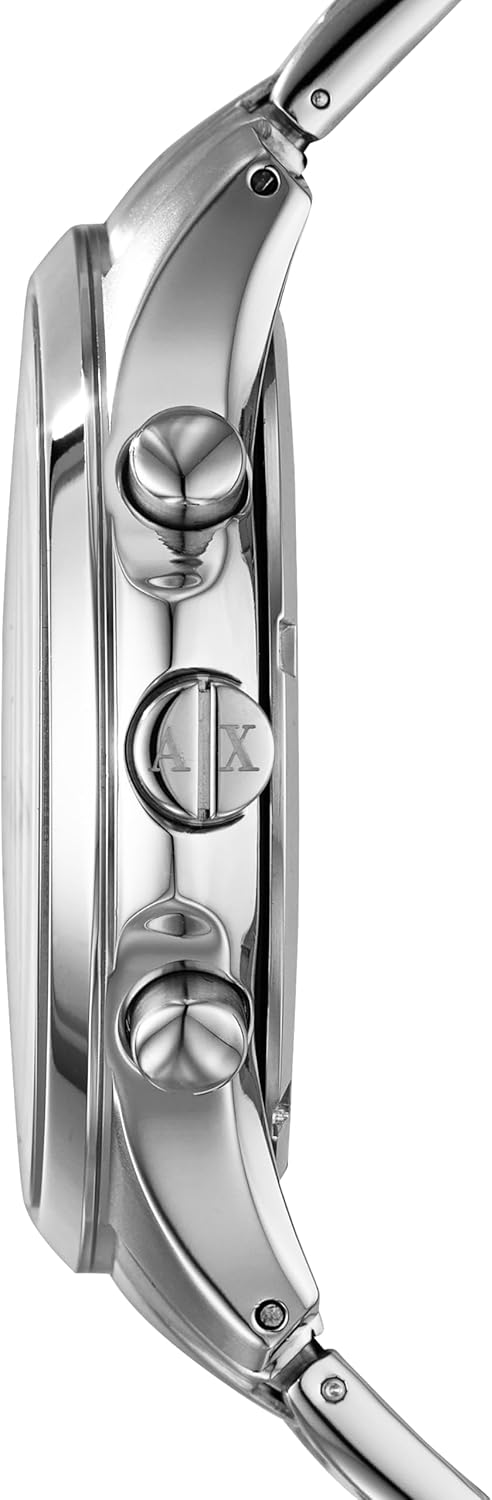
Finishing is where stainless steel truly earns its place among luxury materials. High end polishing on a steel watch case can rival white gold, especially when alternating with satin brushing along the lugs and bracelet links. When you examine a steel chronograph or a steel GMT Master style watch from Tag Heuer or Rolex under magnification, the uniformity of the brushing and the crisp transitions between surfaces reveal the level of craftsmanship invested in each piece.
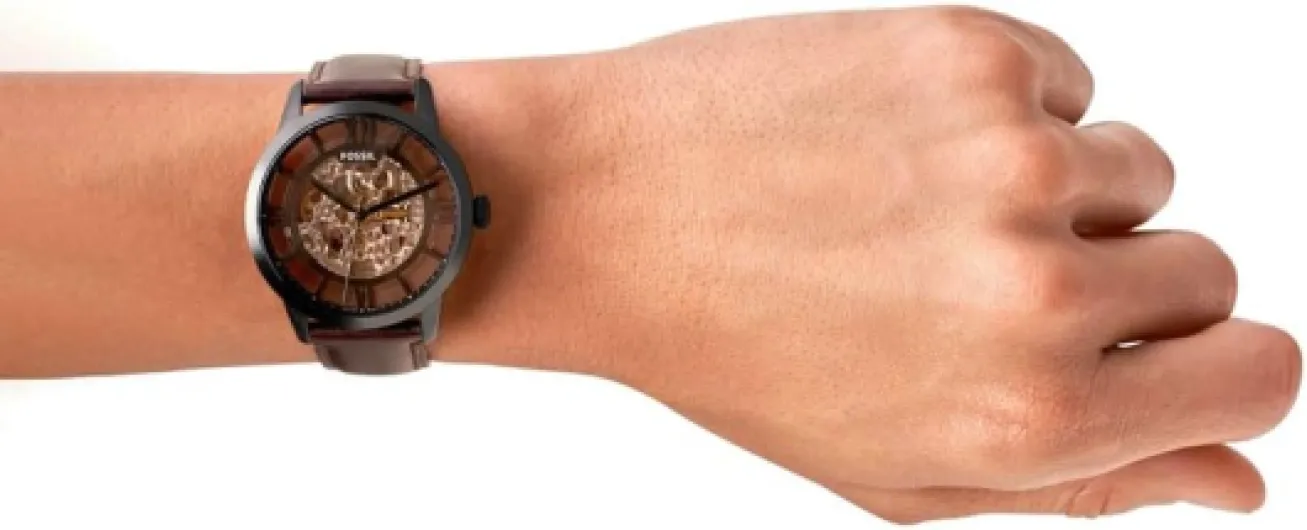
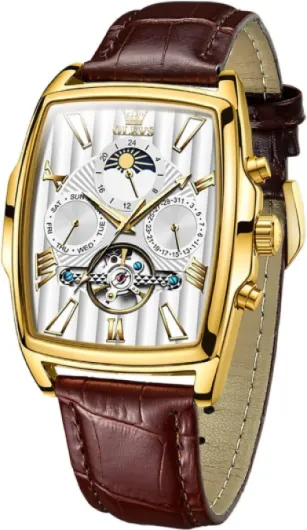
For collectors interested in a refined yet accessible option, a carefully finished stainless steel and leather dress watch with a white dial and rose gold hands, such as those reviewed in specialized tests of Japanese automatic models, shows how thoughtful casework can elevate even modestly priced watches. These examples prove that the same principles of case architecture and finishing apply across the spectrum, from entry level stainless steel watches to the most coveted steel icons.
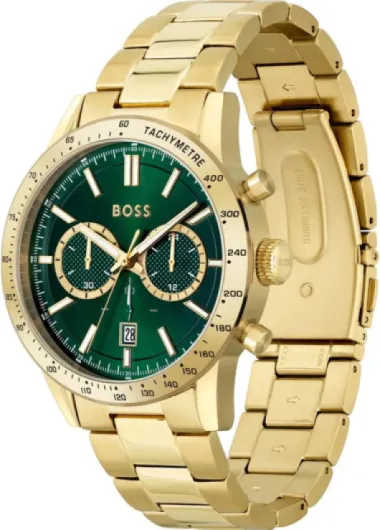
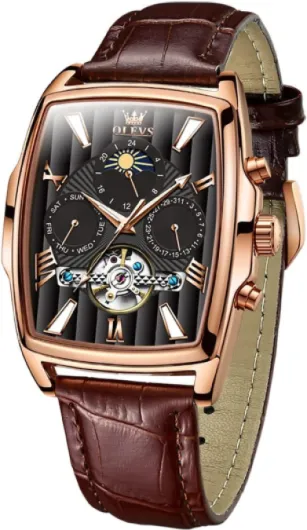
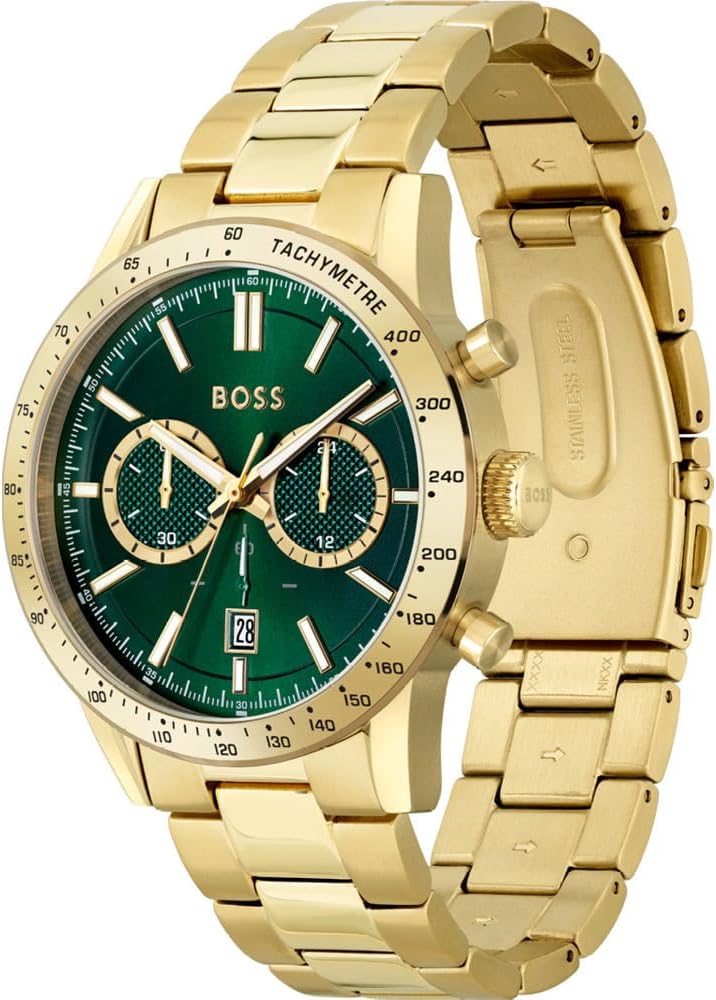
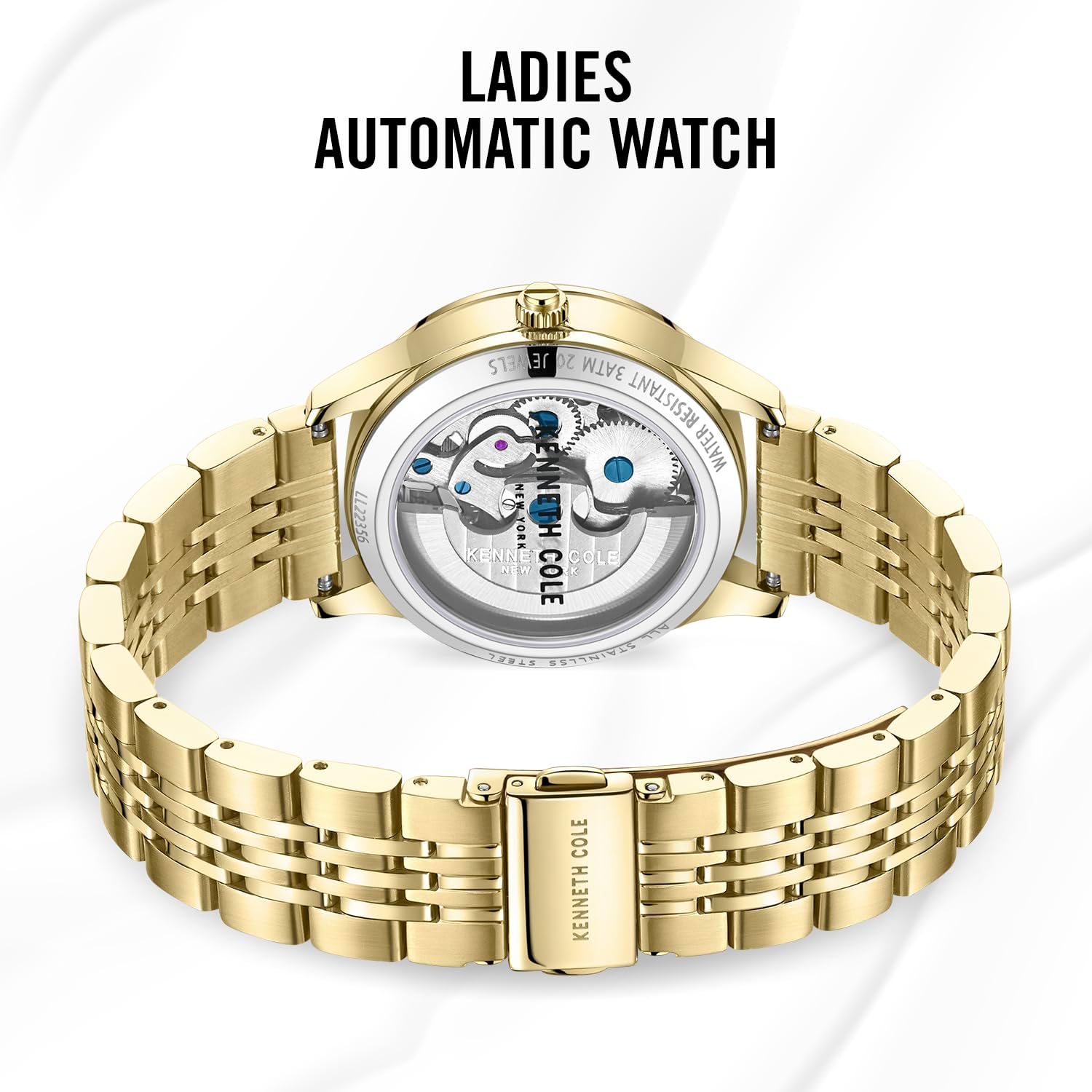
In parallel, some luxury houses extend their steel expertise into jewelry inspired timepieces, where the case becomes a canvas for stones and intricate metalwork. A Swiss made gold tone watch from a crystal specialist, for instance, may use a steel core beneath its finish to ensure structural stability and precise tolerances. Even when the exterior appears golden, the underlying stainless steel case construction still governs durability, water resistance, and long term wearability.
Dial harmony, bezel function, and color in stainless steel icons
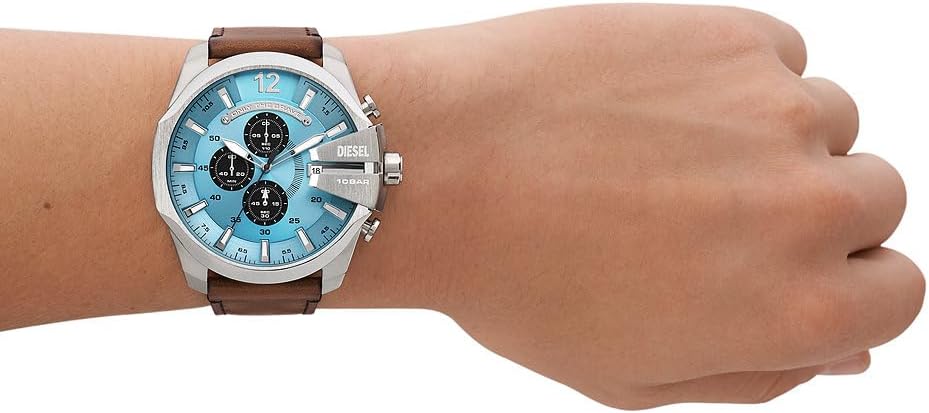
Once the case is mastered, the dial and bezel determine how a stainless steel watch communicates on the wrist. The best stainless steel luxury watches use the contrast between a cool steel case and a warm black dial or vivid blue dial to create depth and legibility. This interplay of color and metal is why models such as the Rolex Submariner, the Rolex Explorer, and the Tudor Black Bay feel instantly recognizable.
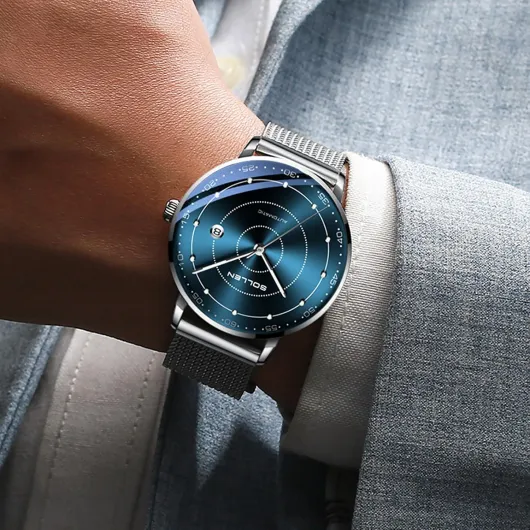
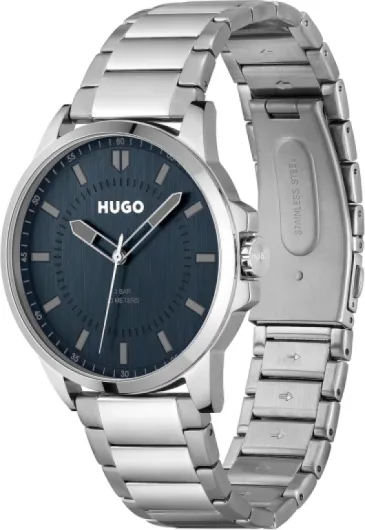
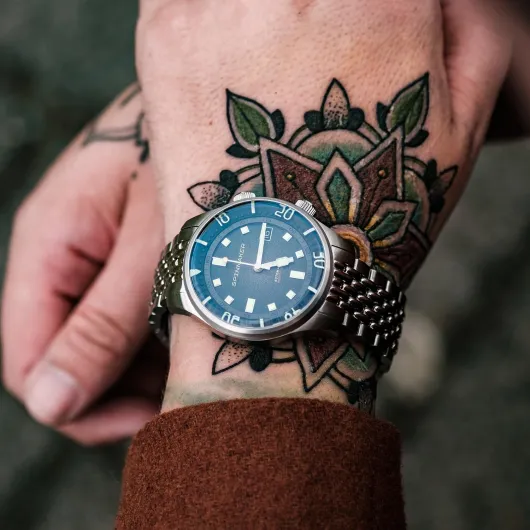
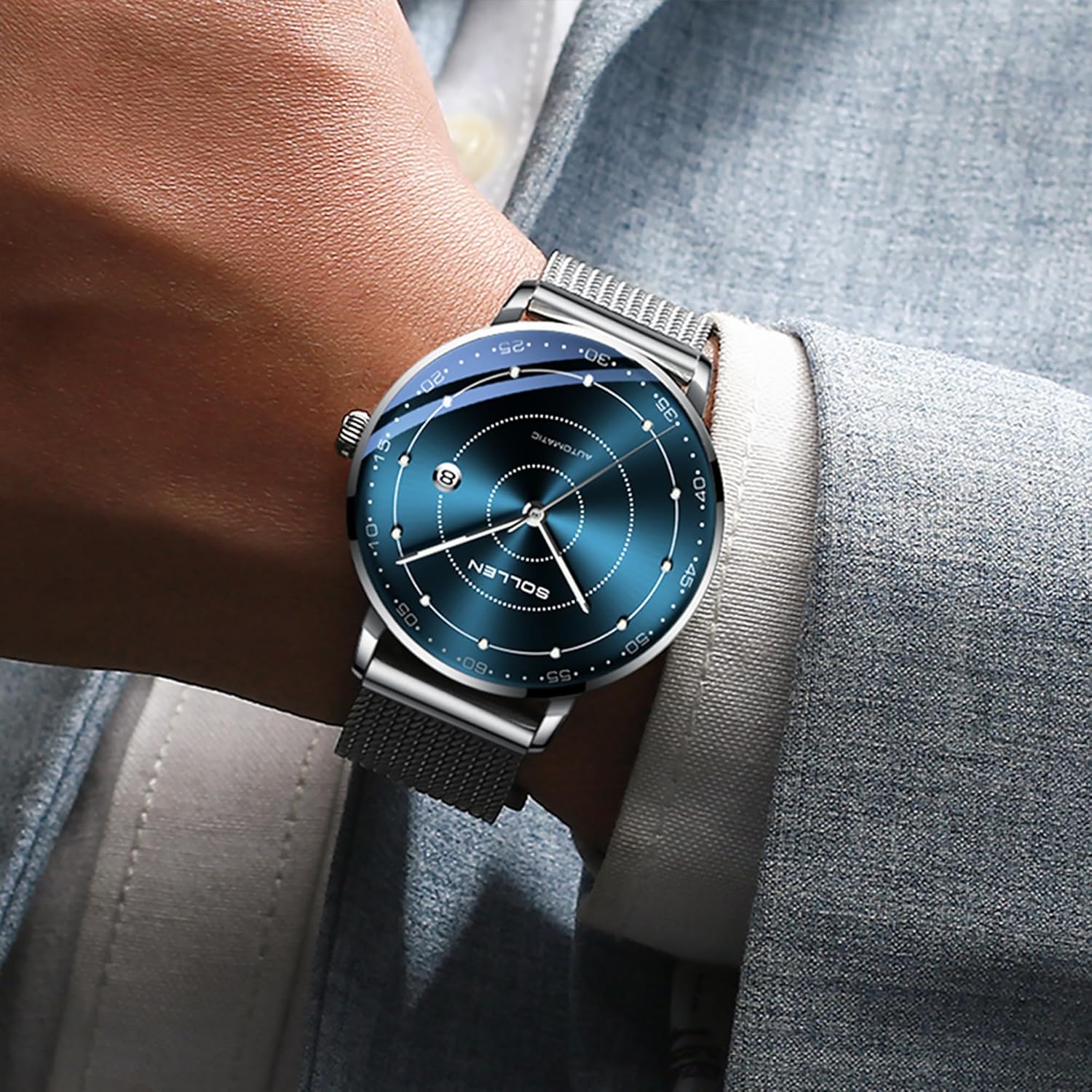
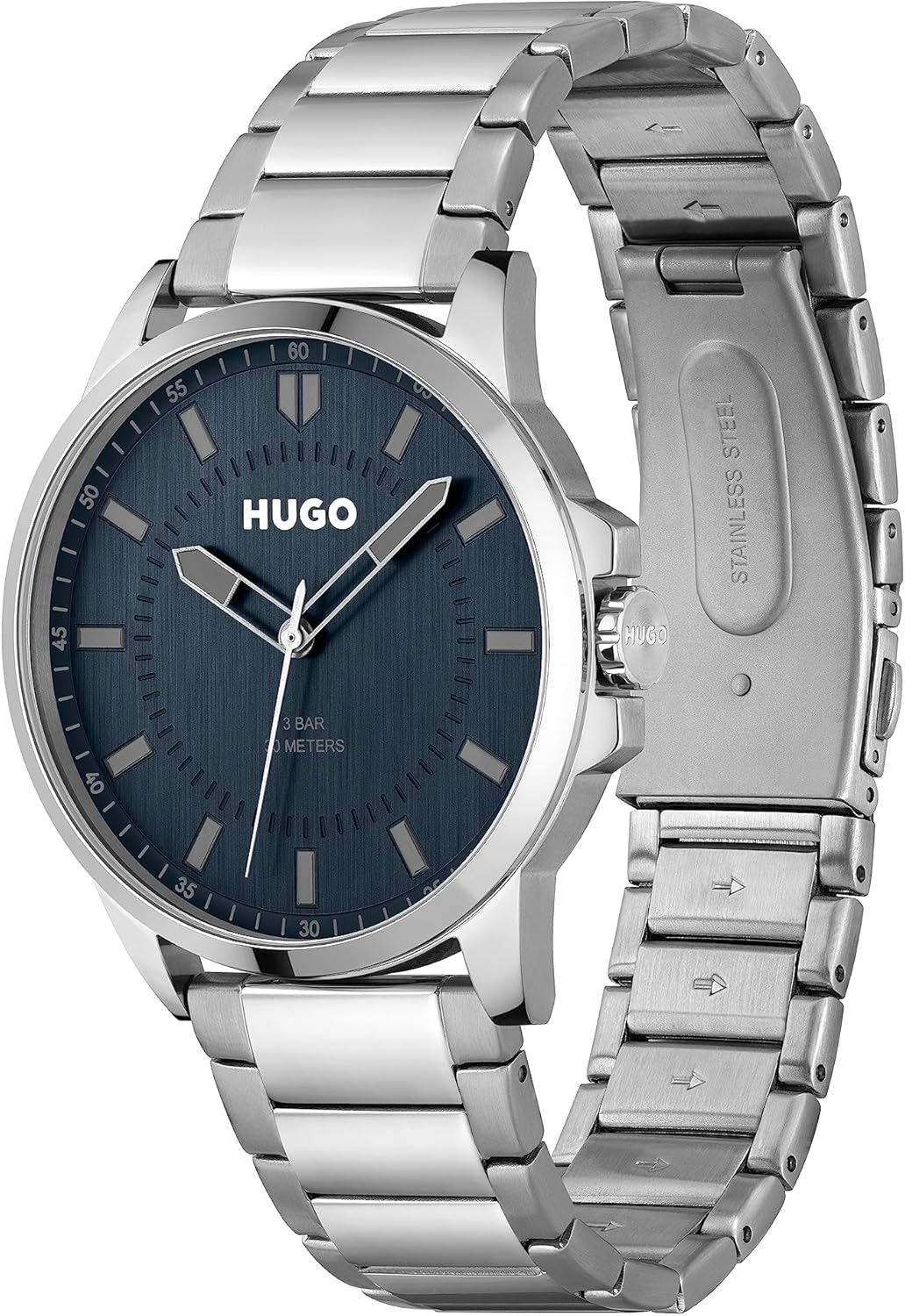
Color choices are never accidental in serious luxury watches. A blue dial framed by a brushed steel bezel suggests nautical sport watch intent, while a black dial with polished indices inside a slim stainless steel case leans toward a formal dress watch aesthetic. Collectors often compare the blue of a Patek Philippe Nautilus or a Philippe Nautilus reference with the sunburst blue of a Grand Seiko dial to appreciate how different brands interpret the same hue on steel.
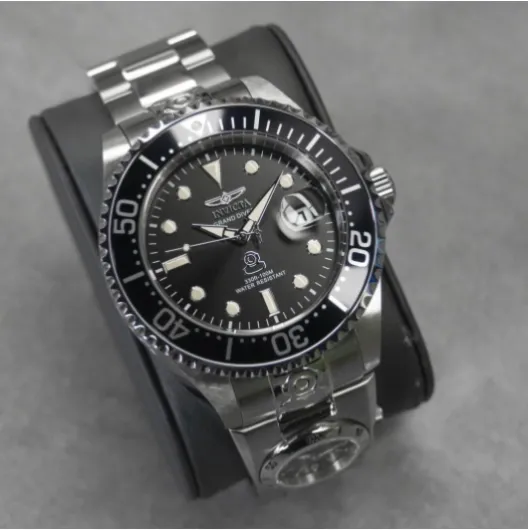
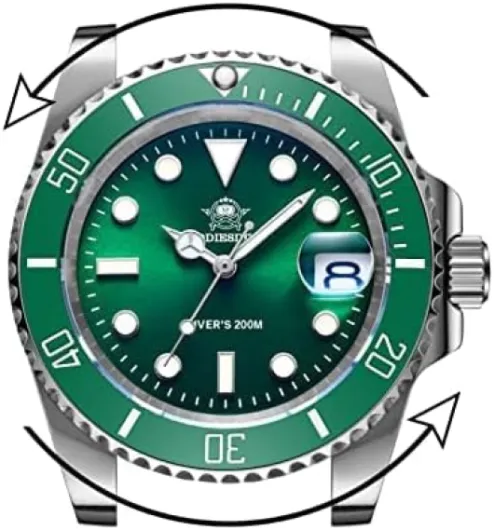
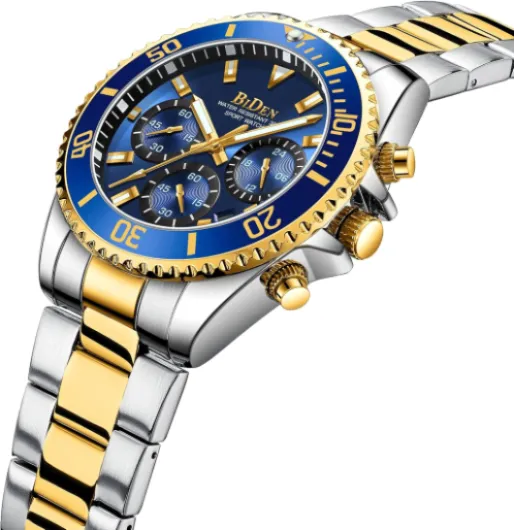
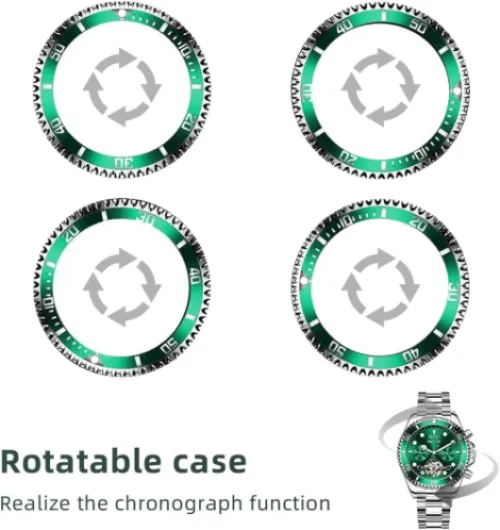
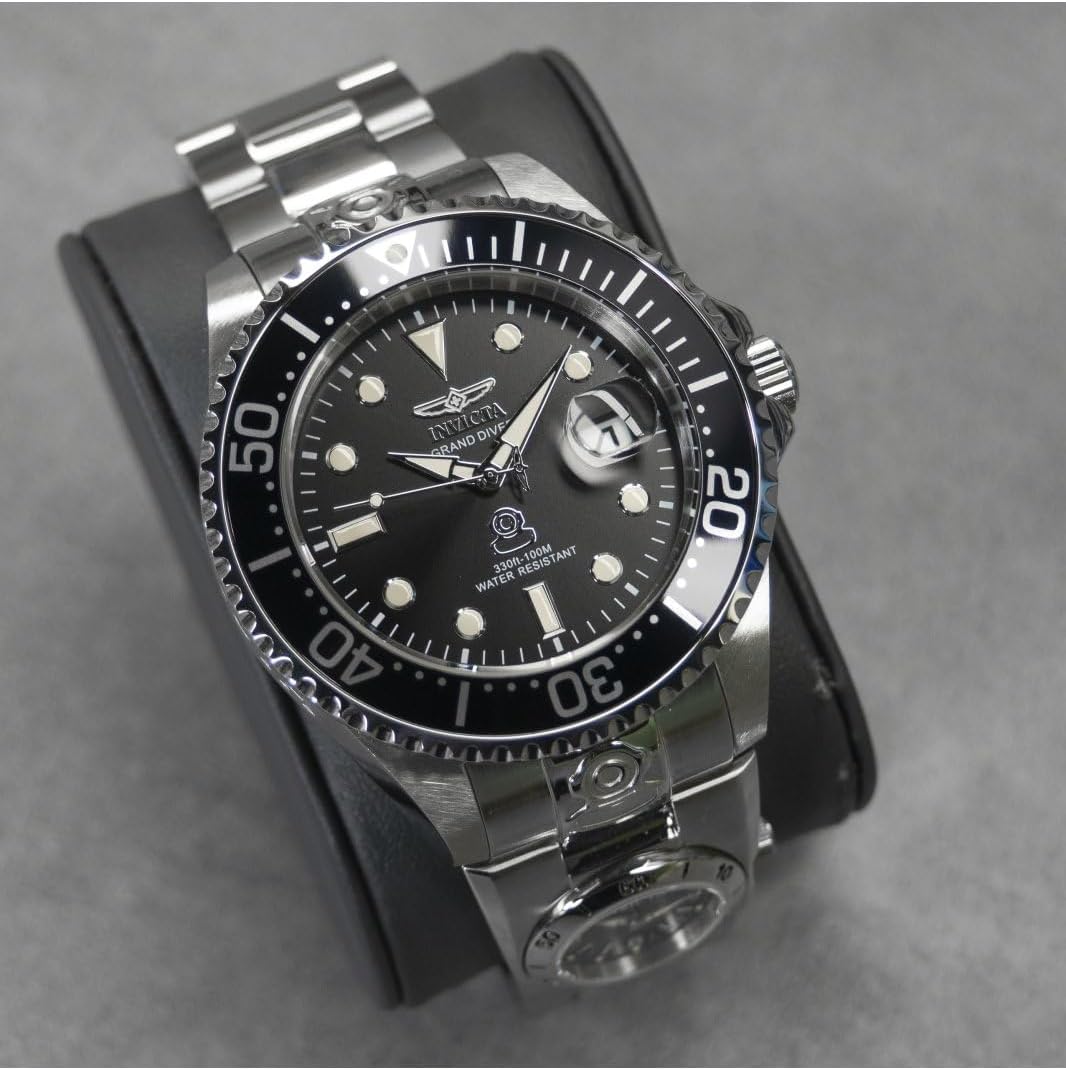
Functional bezels also transform how a watch behaves in daily life. A unidirectional bezel on a Rolex Submariner or a Seiko diver in stainless steel reinforces water resistance and timing capability, while a bidirectional bezel on a Rolex GMT Master or a Rolex GMT style watch adds a second time zone for travel. Even fixed bezels, such as those on many Cartier and Tag Heuer chronograph models, frame the dial and anchor the overall design language of the case.
In integrated bracelet designs like the Audemars Piguet Royal Oak or the Piguet Royal interpretations, the octagonal bezel becomes the visual signature that ties case, dial, and bracelet into a single sculpture. Ultra thin pieces such as the Octo Finissimo rely on a broad, flat bezel and a minimalist dial to emphasize how little steel is required to house a full automatic movement. At the other end of the spectrum, crystal embellished Swiss made women’s watches, such as those in certain attract collections, use polished steel cases and bezels as reflective stages for stones, proving that stainless steel can be both technical and overtly decorative.
Movements, power reserve, and the role of steel in performance
Behind every respected stainless steel watch lies a movement whose performance must match the case’s promise. Whether you choose an automatic calibre, a high precision quartz, or a complex chronograph, the best stainless steel luxury watches use the rigidity of steel cases to protect delicate components. This structural stability helps maintain accuracy, shock resistance, and long term reliability.
Automatic movements in steel sport watch models such as the Rolex Submariner, the Tudor Black Bay, and various Seiko and Grand Seiko divers benefit from robust cases and screw down crowns that enhance water resistance. The same principle applies to GMT Master style watches, where the Rolex GMT and similar dual time models rely on stainless steel cases to shield the additional gearing required for the 24 hour hand. When you add chronograph complications, as seen in Tag Heuer racing watches or certain Audemars Piguet Royal Oak Offshore pieces, the case must withstand repeated pusher use without compromising gaskets or power reserve.
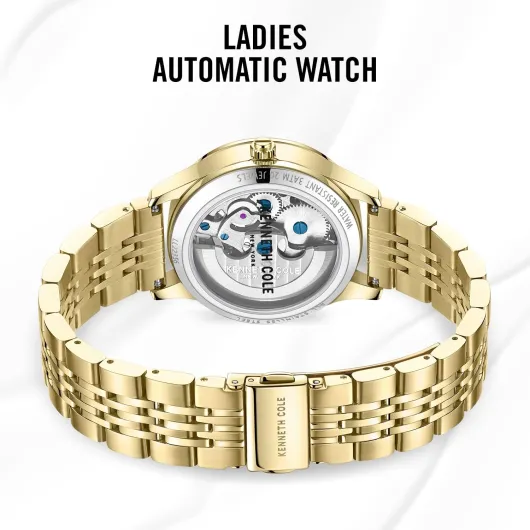
Power reserve has become a key differentiator in modern luxury watches. Many contemporary automatic calibres housed in stainless steel cases now offer between 60 and 70 hours of power reserve, allowing collectors to rotate between watches without constant resetting. High horology brands such as Patek Philippe and Audemars Piguet often pair extended power reserve with finely decorated movements, visible through sapphire case backs that are still framed by steel, while more accessible options like Japanese automatic dress watch models reviewed on specialist sites show how even entry level stainless steel pieces can deliver solid autonomy and accuracy.
For enthusiasts who appreciate ultra thin engineering, the Octo Finissimo demonstrates how a steel or titanium case can be pared down without sacrificing movement performance. In contrast, rugged tool watches such as the Rolex Explorer or certain Grand Seiko sport watch references prioritize thicker steel cases and reinforced lugs to protect the movement during real world expeditions. Across all these examples, stainless steel remains the silent partner that allows the movement, dial, and bezel to perform at their peak.
Water resistance, everyday wear, and the versatility of stainless steel
Water resistance is one of the most tangible benefits of choosing stainless steel for a luxury watch case. The material’s strength allows for precise threading of screw down crowns and case backs, which is essential for divers such as the Rolex Submariner, Seiko Prospex models, and various Tudor Black Bay references. When properly engineered, a steel case can offer professional grade water resistance while remaining slim enough for comfortable daily wear.
Everyday versatility is where the best stainless steel luxury watches truly excel. A black dial Rolex Explorer on an Oyster steel bracelet can move from hiking trail to boardroom without feeling out of place, while a blue dial Philippe Nautilus or Patek Philippe Nautilus in stainless steel transitions seamlessly from casual weekends to formal dinners. Even more ornate pieces, such as crystal accented Swiss made watches in gold tone finishes, often rely on a stainless steel core to withstand the knocks and humidity of real life, proving that steel underpins both sport watch and dress watch categories.
For collectors building a capsule collection, a thoughtful mix of stainless steel watches covers almost every scenario. One might choose a steel diver with a rotating bezel for water activities, a steel GMT Master style watch such as a Rolex GMT for travel, and a slim stainless steel dress watch on leather for formal events, perhaps similar in spirit to the Orient Bambino models reviewed as automatic stainless steel and leather dress watches. Each of these watches leverages the durability, corrosion resistance, and neutral aesthetic of steel, while differing in dial color, movement complexity, and case design to express distinct personalities.
Even integrated bracelet icons like the Audemars Piguet Royal Oak and the Piguet Royal Oak variants demonstrate how stainless steel can be both luxurious and practical. Their finely articulated steel bracelets drape comfortably on the wrist, distributing weight evenly so that the watch feels lighter than its specifications suggest. This combination of comfort, water resistance, and visual impact explains why stainless steel remains the default choice for many high end daily wear watches.
Collecting strategy, value, and how to choose your next steel watch
Building a focused collection around stainless steel watches requires clarity about your lifestyle and aesthetic preferences. Start by deciding whether your priority is a versatile sport watch, a refined dress watch, or a balanced mix of both categories. The best stainless steel luxury watches reward this strategic approach by offering long term satisfaction rather than impulsive novelty.
For a three piece core, many seasoned collectors recommend a diver, a GMT, and a formal piece. A Rolex Submariner or a comparable Seiko or Tudor diver in stainless steel covers water resistance and casual wear, while a Rolex GMT or another GMT Master style watch handles travel duties with its rotating bezel and dual time display. The dress watch slot might go to a slim Cartier in steel, a Grand Seiko with a restrained black dial, or an automatic stainless steel and leather dress watch similar to those highlighted in detailed reviews of Japanese calibres, where the emphasis is on clean design and reliable power reserve.
Value retention and long term enjoyment often intersect in the steel segment. Iconic references such as the Patek Philippe Nautilus, the Philippe Nautilus family, the Audemars Piguet Royal Oak, and the Rolex Explorer have demonstrated strong demand on the secondary market, partly because stainless steel versions are both wearable and relatively scarce. At the same time, more attainable options from Tag Heuer, Seiko, and Tudor offer enthusiasts the chance to experience high quality steel cases, thoughtful dial design, and robust movements without entering speculative territory.
When evaluating any potential purchase, pay close attention to case finishing, bracelet comfort, dial legibility, and the practicality of the movement’s power reserve. Ask yourself whether the watch’s water resistance suits your habits, whether the bezel function aligns with your needs, and whether the overall design will still appeal years from now. Stainless steel rewards this disciplined approach, because a well chosen steel watch can accompany you through countless phases of life while retaining both its beauty and its integrity.
Key figures and market insights on stainless steel luxury watches
- According to the Federation of the Swiss Watch Industry, stainless steel watches represent a majority of exported Swiss watch units by volume, underscoring how steel remains the dominant case material for both entry level and high end segments.
- Market analyses from major auction houses show that iconic stainless steel sports models from Rolex, Patek Philippe, and Audemars Piguet often achieve resale values significantly above retail, reflecting sustained collector demand for steel references compared with many gold counterparts.
- Industry data indicates that modern automatic movements in stainless steel luxury watches frequently offer power reserves between 60 and 70 hours, an increase from the traditional 40 to 48 hour range, which enhances practicality for collectors rotating multiple watches.
- Water resistance ratings of 100 metres or more are now common in stainless steel sport watch models, allowing many luxury watches to handle swimming and light diving, whereas vintage steel pieces often offered only splash resistance or minimal sealing.
- Surveys of enthusiast communities consistently show that a significant proportion of collectors consider a stainless steel diver, a stainless steel GMT, and a stainless steel dress watch as the foundational trio for a versatile collection, highlighting the perceived versatility of steel across categories.
References
- Federation of the Swiss Watch Industry (FH) – annual export statistics and material breakdowns.
- Phillips, Christie’s, and Sotheby’s watch auction reports – market performance of stainless steel luxury watches.
- Brand technical documentation from Rolex, Patek Philippe, Audemars Piguet, Grand Seiko, and others – movement specifications and case material details.