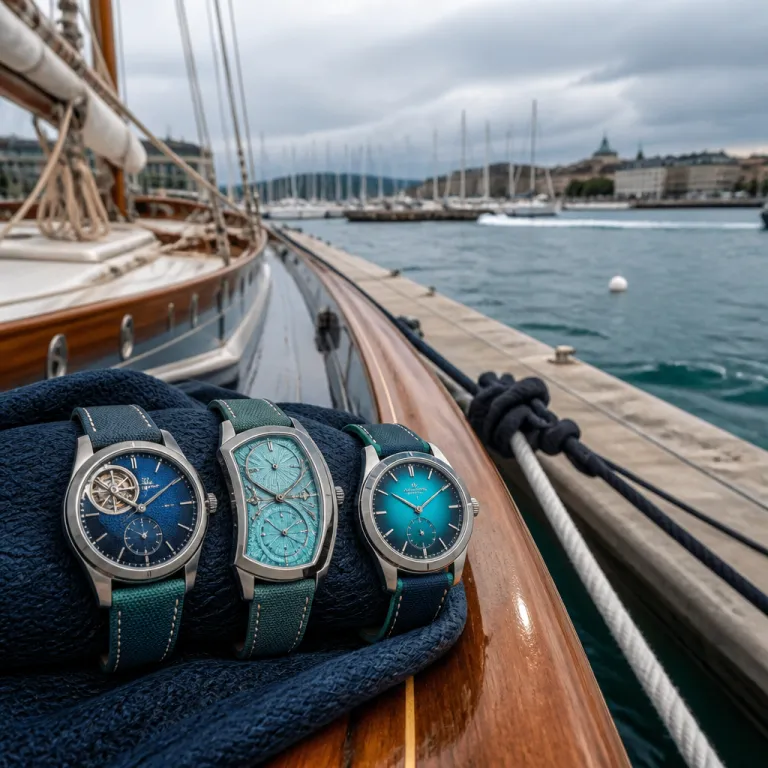
Why this edition of Geneva Watch Days matters for serious collectors
Geneva Watch Days has grown into the unofficial second pillar of the watch industry calendar in the city of Geneva. Launched in 2020 with just over 15 founding brands and now counting more than 50 official exhibitors plus satellite participants, this late-summer salon is no longer a sideshow to April’s Watches and Wonders Geneva but a complementary arena where independents, agile brands and late-cycle launches generate real industry news for investment-minded collectors. If you treat watches as instruments for capital allocation rather than souvenirs, September in Geneva will probably matter more to your portfolio than any glossy press release from earlier in the year.
The format stays deliberately decentralised around the Rotonde du Mont-Blanc, with brands spread across lakefront hotels and boutiques in the wider city of Geneva. That layout turns Geneva Watch Days into a walking map of contemporary watchmaking, where you move from jewellery-heavy maisons to movement-obsessed independents in minutes, and the rhythm of the days feels closer to a gallery crawl than a trade fair. For collectors used to the controlled chaos of Watches and Wonders in April, this Geneva watch experience feels more human, more transparent and frankly better for doing real business with the people who actually make decisions.
Expect roughly 60 to 70 brands to participate, from established names to ultra-rare independents that rarely surface together outside this event. In recent editions, the founding group has expanded to include mainstream players such as TAG Heuer and more niche outfits like Massena Lab, so the spread of watches on show runs from steel chronographs to one-off chiming pieces and artisanal métiers d’art dials. For anyone tracking industry cycles, this edition lands at a moment when the broader market is recalibrating after a speculative peak in 2021–2022, and that makes Geneva Watch Days especially interesting for those who care about ten-year value rather than one-week hype.
How Geneva Watch Days complements April’s big fair
Think of Geneva Watch Days as the September counterweight to the April spectacle of Watches and Wonders Geneva. The spring fair front-loads the year with headline-grabbing launches from Patek Philippe, Audemars Piguet and other group maisons, while this later event lets brands refine, correct and sometimes quietly fix what did not land with collectors in the first wave. That seasonal split means the smart move is to watch what a brand says in April, then see what it actually does with metal, pricing and allocations when Geneva Watch Days returns to the lake.
Several historically SIHH-aligned brands now use this edition to stage second-half debuts, often in smaller runs that feel closer to ultra-rare boutique pieces than catalogue staples. You will see it in how a maison like Laurent Ferrier or Daniel Roth might present a restrained line extension here, while keeping the louder jewellery and grand complications for Watches and Wonders Geneva earlier in the year. As one Geneva-based collector put it after a recent fair, “April is for headlines; September is where you find the watches you will still want on your wrist in ten years.” For investors, those quieter Geneva launches can be more interesting, because they test real demand without the distortion of a massive global spotlight.
The calendar context matters as well, because the months between April and September give the industry time to digest auction results and secondary-market data. By the time you walk the streets in September, the business side of watchmaking has already reacted to what sold in June, what stalled in July and which references sat untouched through August. If you want a deeper sense of how brands think about risk, allocation and long-term positioning, this event in the city of Geneva will tell you more than any glossy industry news recap in October or November.
For readers planning broader collecting trips, pairing this fair with a visit to a serious multi-brand retailer can sharpen your eye, and guides such as this overview of a haven for luxury watch enthusiasts help frame what matters when you finally handle the pieces. The contrast between trade-fair prototypes and retail-ready watches will show you which brands execute consistently and which only shine under the lights. That is where the gap between the press release and the real wrist presence over ten years becomes obvious.
The independent core: where the real watchmaking happens
The soul of Geneva Watch Days sits with the independents, and this edition should double down on that strength. Around the Quai des Bergues you will find a dense cluster of AHCI members and small ateliers, where watchmaking is not a marketing slogan but a person at a bench with a loupe and a file. Spend your days there and you will understand why many seasoned collectors say the future of the industry will be written in these small rooms rather than in corporate board meetings.
Names like H. Moser & Cie., Armin Strom, Laurent Ferrier and Massena Lab use this event to show work that rarely appears in large numbers at retail, and the watches they bring often feel like a direct conversation with their most engaged clients. In past Geneva Watch Days editions, for example, Armin Strom has highlighted resonance-driven calibres and H. Moser & Cie. has unveiled experimental fumé dials and Vantablack executions that later became collector favourites. Those encounters are where you can ask hard questions about servicing, parts availability and long-term support, which matter more to your eventual ROI than any limited-edition engraving.
Do not ignore the more eccentric voices either, because they often signal where design language will drift over the next decade. Konstantin Chaykin might present a new variation on his expressive dials, and while such watches look playful, they also test how far traditional watchmaking codes can bend before they break. When you see those pieces in the context of more classical work from Patek Philippe or Frederique Constant during the same days, you start to map the spectrum of taste that the city of Geneva can hold at once.
For a broader perspective on how fairs and exhibitions shape the aesthetics and business of watches, it is worth reading this analysis of how horological art fairs transform luxury watch design. That lens helps you see Geneva Watch Days not just as an event but as a pressure point where jewellery trends, mechanical innovation and collector demand collide. The result is a clearer sense of which independents are building lasting value and which are chasing short-term wonders.
What to watch for in September: launches, logistics and long term value
For this edition of Geneva Watch Days, focus less on headline-grabbing complications and more on incremental refinements that signal where brands are steering their core lines. TAG Heuer may use the event to tweak Carrera or Monaco references in ways that respond to recent auction data, while Frederique Constant could lean into accessible high complications that undercut larger brands on price but not on movement architecture. Keep an eye on how Patek Philippe and Audemars Piguet position their steel sports watches in conversations, because even small changes in allocation language during these days will echo through the secondary market by October and November.
Among the independents, expect Armin Strom to keep pushing resonance and micro-rotor efficiency, while H. Moser & Cie. continues to refine its minimal dials and experimental materials. Laurent Ferrier and Daniel Roth will likely present restrained case sizes and classic proportions that wear comfortably at 38 to 41 millimetres, which matters if you plan to hold a piece for decades rather than flip it in June. When you hear industry news about ultra-rare editions or boutique-only drops during Geneva Watch Days, ask directly about production numbers, service commitments and whether the brand will support parts in twenty years, because that is where real business risk hides.
On the practical side, book appointments early, especially for brands like Patek Philippe, Audemars Piguet and the more in-demand independents. Public access is generous, but the best conversations happen in quieter slots when the room is not packed with people filming every watch for social media, and September weather in Geneva makes walking between venues a pleasure rather than a chore. If you are planning a broader collecting strategy, reading about why the Jubilee bracelet defines discreet wrist luxury can sharpen your eye for bracelets and ergonomics, which often matter more in daily wear than the complication count.
Finally, remember that Geneva Watch Days is less about immediate purchases and more about building a mental map of where the industry will head over the next cycle. Use the event to compare how brands talk about sustainability, servicing and long-term support, because those factors will shape residual values just as much as dial colour or limited-edition status. For serious collectors tracking Geneva Watch Days 2026 independent watch launches and beyond, the fair is not the press release, but the wrist presence after ten years.
FAQ
Is Geneva Watch Days worth attending if I already go to Watches and Wonders ?
Yes, because Geneva Watch Days offers a different mix of brands, a more relaxed format and closer access to independent watchmakers. Where Watches and Wonders focuses on large groups and headline launches, this event lets you handle smaller-batch pieces and speak directly with the people behind them. For an investment-minded collector, that qualitative insight can be more valuable than seeing another crowded booth.
How should I prepare appointments for Geneva Watch Days as a collector ?
Start by listing the brands that matter most to your collection strategy, then contact their Geneva boutiques or press contacts several weeks before the event. Prioritise independents and smaller maisons, because their schedules fill quickly and the conversations there tend to be more candid. Leave gaps between meetings so you can explore unexpected watches that catch your eye along the lakefront.
What types of watches typically debut at Geneva Watch Days compared with April fairs ?
Brands often use the September timing to release incremental updates, metal variations and smaller series that refine ideas launched earlier in the year. Independents may time their major debuts to avoid being drowned out by the noise of larger fairs, so you can see important movements and designs in a calmer setting. For collectors, these quieter launches can offer better long-term value because they are designed for connoisseurs rather than mass attention.
Are independent brands at Geneva Watch Days a safer or riskier investment than big group maisons ?
Independents carry more brand risk, because their long-term survival and servicing capacity depend on smaller teams and thinner capital bases. However, when you choose carefully among established names with clear technical signatures and stable production, the upside in rarity and collector loyalty can outweigh that risk. The key is to assess not just the watch but the watchmaking infrastructure and after-sales commitment behind it.
How does the decentralised format of Geneva Watch Days affect the visitor experience ?
The spread of venues across central Geneva turns the fair into a walking tour rather than a single-hall marathon. You move between hotels, boutiques and dedicated spaces, which keeps sensory fatigue lower and conversations more focused. It also lets you experience the watches in varied light and settings, closer to how they will look in real life rather than under exhibition spotlights.