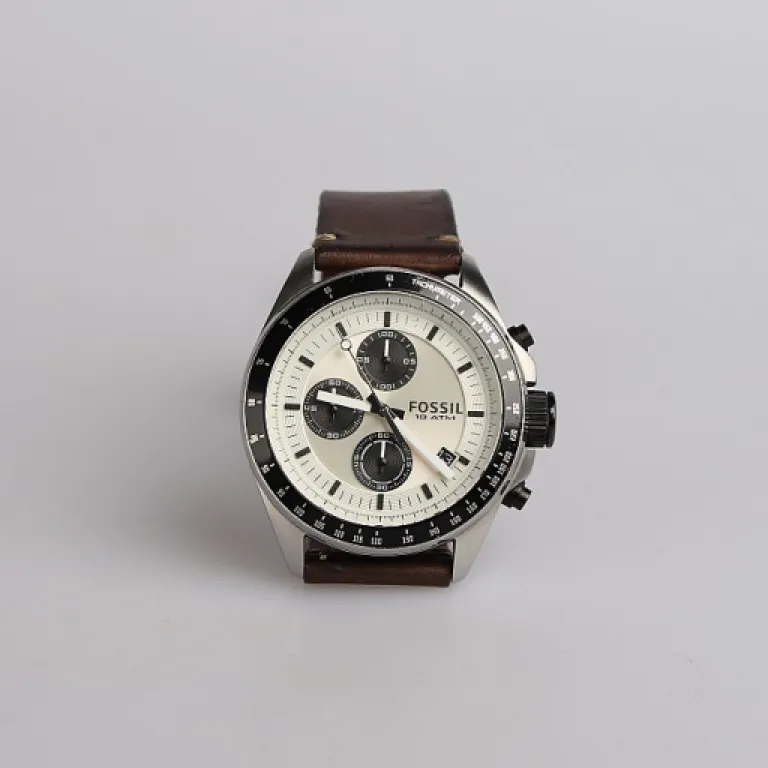
Understanding the importance of watch case size
Why Case Size Matters for Your Wrist Watch
Choosing the right watch case size is more than just a matter of style. The size of your wrist and the case diameter of your watch work together to create a balanced, comfortable look. A large watch on a small wrist can feel overwhelming, while a small watch on a larger wrist may look out of place. The harmony between case size and wrist size is essential for both comfort and aesthetics.
Luxury watches come in a wide range of sizes, from small cases measured at 28mm to larger cases exceeding 45mm. The width and thickness of the case also play a crucial role in how the watch sits on your wrist. A thicker case or a wide bezel can make a watch appear even larger. That’s why understanding the proportions of your wrist watch is the first step in finding your ideal fit.
- Case diameter: The most common measurement, typically in millimeters or inches, that defines the size of the watch case.
- Case thickness: Influences how high the watch sits on your wrist, impacting both comfort and style.
- Strap width: Should be proportional to the case size for a balanced look.
Many enthusiasts use a size guide or chart to compare watch sizes and find the right match for their wrist. The hour markers and dial design can also affect the perceived size of the case. For a more technical approach, measuring your wrist and comparing it to recommended case sizes can help you avoid common pitfalls, like choosing a large small mismatch.
It’s also important to consider how material and case thickness influence the overall feel and look of your watch. These factors, along with personal preference and current trends, will be explored further in this guide. For those interested in how glare reduction and case covers impact luxury watches, check out this guide to choosing the right clock cover for glare reduction.
How to measure your wrist for the right fit
Getting Accurate Wrist Measurements
Choosing the right watch case size starts with knowing your wrist size. The fit of a wrist watch depends on more than just style—it’s about comfort and proportion. A case that’s too large or too small can throw off the balance, making even the most luxurious watches feel awkward.
- Measure your wrist: Use a flexible tape measure or a strip of paper. Wrap it around your wrist just below the wrist bone, where you would normally wear your watch. Mark the spot where the tape meets, then lay it flat and measure the length in inches or centimeters. This is your wrist size.
- Compare with a size guide: Most luxury watch brands provide a chart or guide to match wrist sizes with recommended case diameters. For example, a wrist under 6 inches often suits a small watch case (28-34mm), while wrists above 7 inches can handle larger watch cases (42mm and up).
- Consider case thickness and width: The diameter isn’t the only factor. Case thickness and lug-to-lug width also impact how the watch sits on your wrist. A thick case may feel bulky on a smaller wrist, while a thin case can look elegant and refined.
Remember, the strap or bracelet also affects the overall fit. A wide strap can make a smaller case appear larger, while a slim strap can help a large case look more balanced. The bezel and hour markers can also change the perceived size of the watch, so always try on different sizes if possible.
For more on how the right materials and covers can influence comfort and glare reduction, check out this guide to choosing the right clock cover for luxury watches.
Ultimately, a well-measured wrist and careful consideration of case size, thickness, and strap width will help you find a watch that feels as good as it looks. This is the foundation for selecting a timepiece that truly complements your style and wrist size.
Case size and watch style: finding harmony
Balancing Case Size with Watch Style
Finding the right harmony between your watch case size and the overall style of your wrist watch is essential for both comfort and aesthetics. The case diameter, thickness, and even the width of the strap all play a role in how a watch will look and feel on your wrist. A large watch case can make a bold statement, but if it overpowers your wrist, it may appear awkward or uncomfortable. On the other hand, a small watch might get lost on a larger wrist, making the proportions seem off.
- Dress watches: These typically feature smaller cases, often measured between 36mm and 40mm in diameter. Their slim case thickness and understated hour markers are designed for elegance and subtlety, making them ideal for formal occasions or smaller wrists.
- Sport and diver watches: These watches usually have larger cases, sometimes exceeding 42mm, with thicker bezels and more robust straps. The larger size is not just for style but also for functionality, such as improved legibility and durability.
- Chronographs and pilot watches: These often feature larger cases and wider straps, with prominent hour markers and bezels. The increased size helps accommodate additional complications and enhances readability.
When selecting a watch, consider how the case size will interact with the style and intended use. For example, a large, thick case might suit a sporty look, while a smaller, thinner case is better for a refined, classic appearance. The size guide provided by most luxury brands can help you compare different case sizes and find the right fit for your wrist.
Remember, the strap width should also be proportional to the case size. A narrow strap on a large case can look unbalanced, while a wide strap on a small watch may overwhelm the design. Use a chart or guide to match the strap width with the case diameter for a harmonious look.
For those interested in how luxury brands combine case size and style, this detailed guide on AP watches with diamonds showcases how case diameter, thickness, and design elements come together for a balanced, luxurious wrist presence.
Material and thickness: more than just diameter
Why Thickness and Material Matter in Watch Cases
When choosing the perfect watch case size for your wrist, it’s easy to focus only on the diameter. But the thickness and material of the case are just as crucial for comfort, style, and overall presence on your wrist. Even if two watches have the same case diameter, their thickness and material can make them look and feel very different.
- Case Thickness: A thinner case, often measured in millimeters or inches, sits closer to the wrist and feels more discreet. Thicker cases, on the other hand, can appear bolder and may feel heavier, especially on smaller wrists. For dress watches, a slim profile is usually preferred, while sports or diver watches often feature larger, thicker cases for durability and water resistance.
- Material Impact: The material of the watch case—whether it’s stainless steel, titanium, ceramic, or precious metals—affects not just the look but also the weight. For example, titanium cases are lighter than steel, making larger watches more comfortable. Ceramic cases offer scratch resistance and a unique sheen, while gold or platinum adds luxury and heft.
- Case Shape and Bezel: The shape of the case and the width of the bezel can influence how large or small a watch appears. A wide bezel can make the dial look smaller, while a thin bezel can give the impression of a larger watch face. This visual balance is key when matching the watch to your wrist size.
To find the right fit, use a size guide or chart to compare case sizes and thicknesses. Try watches on your wrist if possible, paying attention to how the case thickness interacts with your wrist shape and size. Remember, a large case with minimal thickness may still look refined, while a small watch with a thick case could feel bulky.
| Case Diameter (mm) | Typical Thickness (mm) | Best For |
|---|---|---|
| 36-38 | 6-10 | Small wrists, classic dress watches |
| 39-42 | 10-13 | Medium wrists, versatile styles |
| 43+ | 13+ | Larger wrists, sports or statement watches |
Don’t forget the strap or bracelet also plays a role in how the watch sits on your wrist. A thick case paired with a small strap may look unbalanced, while a well-matched strap enhances both comfort and style. Ultimately, the harmony between case size, thickness, material, and strap will guide you to the perfect wrist watch for your personal taste and wrist size.
Gender, trends, and personal preference
Personal Taste Meets Evolving Trends
When it comes to choosing the right watch case size, there is no universal rule. Preferences for case diameter, thickness, and strap width often reflect both personal style and current trends. While some enthusiasts gravitate toward larger watch cases that make a bold statement, others prefer the understated elegance of a small watch that sits discreetly on the wrist. The size guide you follow should ultimately serve your comfort and aesthetic, not just fashion’s latest direction.
Gender and the Changing Landscape of Watch Sizes
Traditionally, men watches have featured larger case sizes, often ranging from 40 to 44 millimeters in diameter, while women’s watches were measured smaller, typically between 28 and 36 millimeters. However, these distinctions are less rigid today. Many collectors appreciate the versatility of mid-size cases, and it’s increasingly common to see larger watches on smaller wrists and vice versa. The best approach is to measure your wrist and try on different sizes to see what feels balanced and looks harmonious.
- Small wrists (under 6.5 inches): Watches with a case diameter of 34 to 38 mm and a modest case thickness often look most proportional.
- Medium wrists (6.5 to 7.5 inches): Both small and larger watch cases can work, depending on the desired presence and comfort.
- Large wrists (over 7.5 inches): Larger watch sizes, up to 44 mm or more, can be worn confidently, but case thickness and lug-to-lug width should still be considered.
Guided by Comfort and Confidence
Ultimately, the best case size is the one that feels right for you. A size chart or guide can help, but your own comfort and how the watch sits on your wrist are what matter most. Whether you choose a larger watch for its presence or a smaller case for subtlety, let your wrist and your style lead the way. Don’t hesitate to try on different watches, compare case thickness, and see how various straps affect the overall look and fit. The perfect wrist watch is the one that complements your individuality, not just your wrist size.
Expert tips for selecting your ideal luxury watch
Expert Insights for a Flawless Fit
Choosing the ideal luxury watch goes beyond just picking a case size that matches your wrist. Experts in the field recommend a holistic approach, considering not only the diameter but also the thickness, strap width, and even the style of the hour markers. Here’s a guide to help you refine your selection process:
- Balance case diameter and thickness: A large case with excessive thickness can overwhelm a small wrist, while a thin case on a large wrist may look out of place. Always check both measurements, not just the diameter.
- Use a size chart: Many luxury brands provide a size guide or chart, often measured in millimeters or inches. Compare your wrist size to these charts for a more precise fit.
- Consider the strap and lugs: The width of the strap and the design of the lugs can affect how the watch sits on your wrist. A wider strap can make a small watch appear larger, while a narrow strap can make a large case look more refined.
- Evaluate the bezel and dial layout: Watches with a wide bezel or prominent hour markers can appear larger than their measured case size. This visual impact is crucial when choosing between large and small cases.
- Try before you buy: If possible, try on different watch sizes. What looks large or small in photos may feel different on your wrist. Pay attention to how the watch case and strap interact with your wrist shape.
- Think about your wardrobe and lifestyle: A larger watch may suit casual or sporty outfits, while a smaller, thinner case is often preferred for formal occasions. Your personal style and daily activities should guide your choice.
Remember, there is no universal rule for the perfect watch case size. What matters most is comfort, confidence, and how the watch complements your wrist. Whether you prefer men watches with bold cases or a subtle, small watch, let your own taste and the measured fit guide your decision. This approach ensures your wrist watch will not only look great but also feel right every time you wear it.