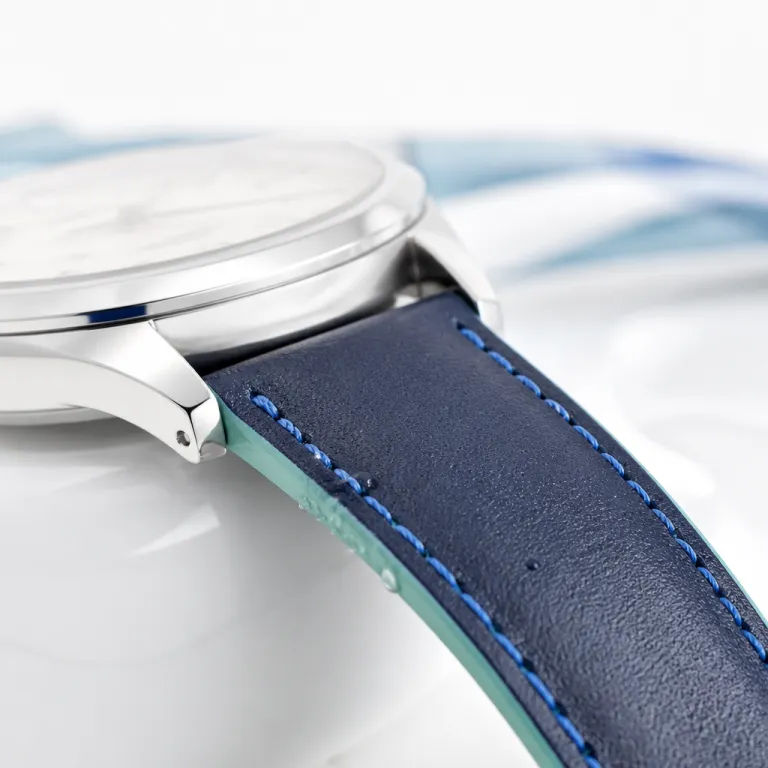

Why an 18 mm watch belt matters on a luxury case
An 18 mm watch belt is not a minor detail for serious watch collectors. When the strap width aligns perfectly with the lugs, the entire watch case reads as intentional, balanced, and technically coherent. On a finely finished leather watch, a mismatched band instantly breaks the visual tension that high horology cases work so hard to create.
Most haute horlogerie cases in smaller diameters for men and ladies rely on an 18 mm watch strap as the standard interface between case and wrist. This lug width allows enough surface for robust leather, perlon, or NATO straps while keeping the silhouette slim, which is crucial when pairing gold or silver cases with formal attire. Whether you choose a black strap, a brown calfskin band, or a grey sport textile option, the 18 mm proportion keeps the watch visually anchored.
Collectors often underestimate how a premium strap can transform both modern and vintage watches. A carefully chosen leather band in black, tan, or rich brown can make a steel case feel almost as elevated as certain jewelry-focused watches in precious metals. When you add a high grade 18 mm belt to a refined case, you are not just changing accessories; you are rebalancing the entire architecture of the watch.
Case geometry, lug design, and the 18 mm interface
The geometry of a luxury watch case dictates whether an 18 mm strap will feel natural or forced. Slim dress watches with stepped or teardrop lugs often reach their aesthetic peak when the watch band tapers from 18 mm at the lugs to a narrower buckle, preserving elegance on both men’s and ladies’ wrists. Sport watches with integrated crown guards may still use an 18 mm watch belt, but they usually require thicker leather or woven bands to visually balance the mass of the case.
Material choice for the case also influences how leather watch straps behave over time. A polished gold or silver case reflects the color of a black or brown calfskin band, amplifying any mismatch in tone or texture, while a brushed steel case is more forgiving with grey perlon or NATO straps. When you select watch bands for high end pieces, you should consider not only the width but also how the strap’s surface interacts with the case finishing, especially on watches prized for their jewelry like presence.
Technical innovation in cases has also changed how we think about the humble 18 mm lug width. Ceramic, titanium, and advanced luminous compounds in modern cases demand watch straps that can handle temperature changes and moisture without degrading the interface between strap and lugs. For example, the Federation of the Swiss Watch Industry reported that in 2022 more than 55% of exported Swiss watches by volume used luminous materials, which means an 18 mm leather or perlon band must complement those properties after dark rather than fight them.
Leather, calfskin, and textile : choosing the right 18 mm material
When collectors speak about a premium 18 mm watch belt, they usually mean leather, and more specifically fine calfskin. A high grade calfskin strap in black, brown, or black tan offers a supple feel, clean edge finishing, and a subtle sheen that flatters both steel and gold or silver cases. On a leather watch with a slim profile, an 18 mm calfskin band can be stitched tone on tone for discretion or contrasted for a more sport character.
Textile options such as perlon and NATO straps have earned a place even in luxury collections. A tightly braided perlon watch strap in grey or black hugs the wrist, dries quickly, and pairs surprisingly well with refined cases when the 18 mm width is respected, while NATO watch bands in muted tones can soften the perceived size of tool watches. For collectors who rotate watches across different outfits, having several 18 mm straps ready allows them to add personality without compromising the integrity of the case.
Single pass NATO designs are particularly interesting when matched to an 18 mm lug width. They keep the watch head closer to the wrist than traditional doubled NATO bands, which is crucial for slim dress watches and smaller ladies’ pieces. To understand how this architecture elevates a case, examine the engineering behind a single pass NATO strap on a luxury watch case, then translate those insights to your own 18 mm strap choices.
Color strategy : black, brown, grey, and black tan on luxury cases
Color is where an 18 mm watch belt becomes a storytelling tool rather than a simple attachment. A black leather band on a white dial dress watch signals formality and restraint, while a brown calfskin strap on the same case immediately reads warmer and more relaxed. Grey textile watch straps, especially in perlon or NATO constructions, introduce a contemporary sport note that can make traditional cases feel unexpectedly modern.
Collectors who own both steel and gold or silver watches should think in terms of a small palette of 18 mm watch bands. Black and black tan leather straps work beautifully on steel cases with dark dials, whereas medium brown or cognac bands flatter champagne or silver dials in precious metal cases, and grey straps bridge both worlds when you want a neutral option. By rotating a curated set of watch straps across men’s and ladies’ pieces, you can add seasonal nuance without constantly buying new watches.
Color also affects perceived case size and wrist presence. A black 18 mm strap visually slims the watch, which is ideal for smaller wrists or very polished cases, while lighter brown or grey bands can make the same watch feel more substantial. When you plan a strap collection, ensure that your cart is never effectively a cart empty of versatile colors; instead, aim for at least one black, one brown, one black tan, and one grey 18 mm option.
Water resistance, sport use, and technical constraints at 18 mm
Even the most refined 18 mm watch belt must respect the technical limits of the case, especially regarding water resistance. A dressy leather band on a water resistant watch can handle occasional splashes, but repeated immersion will eventually damage calfskin and compromise both comfort and appearance. For genuine sport use, collectors should rotate to perlon or NATO straps that dry quickly and do not trap moisture against the caseback.
Luxury brands design many water resistant watches with 18 mm lugs because this width balances comfort and security on the wrist. When you add a robust sport strap to such a case, the spring bars experience less leverage than on wider lugs, which can improve long term durability, particularly on slimmer men’s and ladies’ models. This is one reason why some jewelry oriented watches still rely on relatively narrow watch bands despite their decorative focus.
Technical minded collectors often pair a single watch with multiple 18 mm straps to cover different environments. A black or grey perlon band might serve for swimming, a brown calfskin strap for office wear, and a black tan leather watch strap for evening events, all while respecting the same lug width. Those who appreciate functional complications may also be interested in how integrated compass technology in military style cases interacts with strap choice, as explored in recent analyses of military watches with integrated compasses on specialist watch industry platforms.
Buying strategy : premium 18 mm bands, shipping, and collection curation
Building a thoughtful selection of 18 mm watch bands is more efficient than buying random straps whenever a new watch arrives. Start by listing your core watches, including any jewelry focused or gem set pieces, then map which black, brown, grey, and black tan straps will serve multiple cases. This approach ensures that any new 18 mm watch belt you add to your collection earns its place rather than leaving your virtual cart empty of strategic options.
When purchasing premium leather or textile watch straps online, pay attention to how retailers structure shipping orders and service. Many high end strap makers offer free shipping above a certain basket value, which encourages collectors to add a second or third 18 mm band that fills a gap in their color or material matrix, and some even specify that bands include quick release spring bars for easier swaps. Before you continue shopping, verify that the watch band length, taper, and buckle finish match your existing watches, especially if you are pairing straps with both steel and gold or silver cases.
Digital boutiques sometimes use interface prompts such as “continue shopping” or show a “cart empty” message when you remove a strap, but seasoned collectors treat these as reminders to think in terms of long term curation rather than impulse buys. A well planned set of 18 mm watch straps for men’s and ladies’ pieces will typically include at least one premium calfskin band, one sport oriented perlon or NATO strap, and one versatile leather watch strap that can move between jewelry heavy designs and more traditional references. Over time, this disciplined strategy turns a simple 18 mm belt into a powerful tool for expressing taste while respecting the technical integrity of every case in your collection.
Key statistics on watch straps, case sizes, and materials
- According to data from the Federation of the Swiss Watch Industry (for example, the “Swiss Watch Industry Export Statistics” 2022 report), mechanical watches with case diameters between 34 mm and 38 mm, which frequently use an 18 mm watch belt, represented roughly 40% of Swiss mechanical exports by volume, reflecting sustained demand for classic proportions.
- Market research from Morgan Stanley and LuxeConsult (notably their 2023 “Swiss Watch Industry” report) reported that leather straps still account for a majority share of high end watch bands sold with new watches, at around 55% of fitted options, despite the growth of metal bracelets and rubber, underscoring the continued relevance of calfskin and other leathers in luxury collections.
- Surveys by Chrono24 (such as the “Chrono24 Watch Collection Report 2022”) have shown that more than one third of collectors regularly change their watch straps, with many owning at least five different bands per watch, which aligns with the strategy of building a curated set of 18 mm options for versatility.
- Water resistance ratings of 30 metres or less are still common on dress watches from brands such as Patek Philippe and Jaeger-LeCoultre, which reinforces the recommendation to reserve leather watch straps for light use and rely on textile or rubber for sustained exposure to moisture.
- Analysts tracking the secondary market have observed that watches sold with original premium straps, especially in standard widths like 18 mm, often achieve resale values several percentage points higher than those on generic replacements, highlighting the financial impact of strap and case coherence.
FAQ about 18 mm watch belts and luxury cases
Why is 18 mm such a common width for luxury watch belts ?
An 18 mm watch belt suits classic case diameters around 34 to 38 mm, which remain popular for both men’s and ladies’ luxury watches. This width offers enough material for durable leather or textile straps without overwhelming smaller lugs. It also allows elegant tapering toward the buckle, which is essential for dress watches.
Which material is best for an 18 mm strap on a dress watch ?
For a formal dress watch, premium calfskin leather is usually the best choice for an 18 mm strap. It provides a refined texture, comfortable flexibility, and a surface that complements polished cases in steel or gold or silver. Dark colors such as black or deep brown remain the most versatile for business and evening wear.
Can I use an 18 mm NATO or perlon strap on a high end watch ?
Yes, NATO and perlon straps in 18 mm can work very well on high end watches, especially sport or military inspired pieces. The key is to choose subdued colors and high quality hardware that match the case finishing. Many collectors keep both leather and textile options to adapt a single watch to different environments.
How many 18 mm straps should a collector own for one watch ?
A practical baseline is three to five 18 mm straps per frequently worn watch. One black or black tan leather strap, one brown calfskin band, and one grey or black textile sport strap cover most situations. Additional colors or exotic materials can then be added to express personal style.
Does changing from leather to textile affect the fit of an 18 mm strap ?
Switching from leather to textile at the same 18 mm width can change how the watch sits on the wrist. Perlon and NATO straps are usually thinner but can add height if they pass under the case, while leather conforms more closely over time. Always check that the spring bars and lug holes are in good condition before rotating between different strap materials.