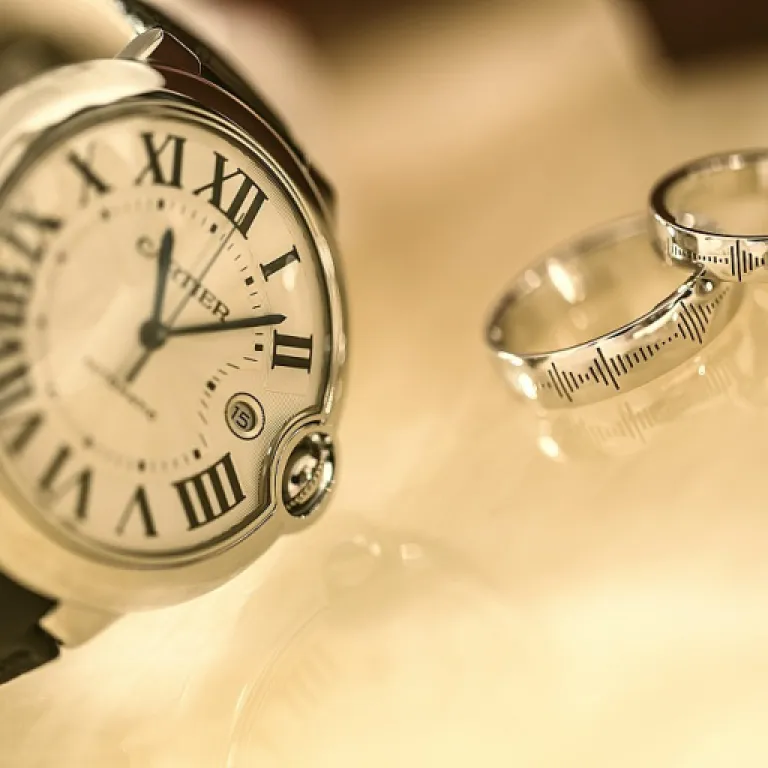
Understanding the essence of quartz and automatic movements
The Heartbeat of Time: What Sets Quartz and Automatic Movements Apart
For luxury watch enthusiasts, understanding the core differences between quartz and automatic movements is essential. Both types of watches offer unique experiences, blending technology, tradition, and personal taste. The movement inside a watch—whether quartz, automatic, or mechanical—defines not only how it keeps time but also its character and value.
Quartz watches use a battery to power a quartz crystal, which vibrates at a precise frequency. This vibration drives the dial train and second hand, delivering remarkable accuracy—often losing or gaining just a few seconds a month. Quartz watches are known for their low maintenance and reliability, making them a practical choice for those who value convenience and precision. The battery will eventually require replacement, but otherwise, quartz movements are designed for minimal upkeep.
Automatic watches, on the other hand, are a marvel of mechanical engineering. These watches rely on a rotor that winds the mainspring as you move your wrist, storing power without the need for a battery. The intricate mechanical movement inside an automatic watch is a testament to traditional craftsmanship, with hundreds of tiny components working in harmony. While automatic watches require regular wear or manual winding to keep running, many enthusiasts find the ritual of winding and the visible motion of the second hand deeply satisfying.
- Quartz movement: Battery-powered, highly accurate, low maintenance, and practical for daily wear.
- Automatic movement: Mechanical, self-winding, showcases craftsmanship, and offers a more traditional watch experience.
Some collectors also explore manual automatic or mechanical watches, which require manual winding but share the same mechanical heart as automatics. The choice between quartz and automatic is not just about how a watch keeps time—it’s about what you value in a timepiece. Whether you are drawn to the technical precision of quartz or the artistry of mechanical movement, each option brings its own story and appeal.
If you are interested in the technical side of mechanical movements, you may want to read about the intricacies of the Patek Philippe E19C movement, a benchmark in mechanical watchmaking.
Craftsmanship and heritage in luxury watchmaking
The Artistry Behind Every Tick
Luxury watches are more than just instruments to tell time. They are a testament to centuries of craftsmanship and heritage. When comparing quartz and automatic movements, the difference in artistry becomes clear. Automatic watches, often called mechanical watches, are celebrated for their intricate engineering. Each component—gears, springs, and the dial train—works in harmony, powered by the movement of your wrist. This mechanical movement is a marvel, requiring expert hands and traditional skills passed down through generations.
Quartz watches, on the other hand, rely on a quartz crystal and battery to keep time. While they are known for their accuracy and low maintenance, the craftsmanship is more about precision manufacturing than hand-assembled artistry. The quartz movement is efficient and reliable, but it lacks the visible complexity found in a manual automatic or mechanical automatic watch.
- Automatic movement: Showcases the watchmaker’s skill, with visible moving parts and a sweeping second hand.
- Quartz movement: Focuses on accuracy and simplicity, with fewer moving parts and a ticking second hand.
Brands like Longines have built their reputation on the mastery of both quartz and automatic movements. However, the allure of mechanical watches often lies in their heritage and the story behind each watch. Collectors and enthusiasts appreciate the manual work, the finishing on the movement, and the tradition that fills every automatic watch.
For those interested in the technical artistry of high-end mechanical movements, the intricacies of the Patek Philippe E19C movement offer a fascinating look into what makes these watches so special in the world of luxury horology.
Ultimately, whether you choose a quartz or automatic watch, understanding the craftsmanship and heritage behind each movement will deepen your appreciation for what’s on your wrist. This connection to tradition is a key reason why many luxury watch enthusiasts are drawn to mechanical and automatic watches, even if they require more maintenance than their quartz counterparts.
Precision and reliability: what to expect from each movement
Accuracy and Consistency: The Real-World Experience
For luxury watch enthusiasts, the debate between quartz and automatic movements often centers on precision. Quartz watches, powered by a battery and regulated by a quartz crystal, are renowned for their accuracy. Typically, a quartz watch will deviate by only a few seconds per month. This is due to the stable oscillation of the quartz crystal, which controls the movement of the second hand with remarkable consistency. If you value a watch that keeps time with minimal adjustment, quartz watches are hard to beat.
Automatic watches, on the other hand, rely on a mechanical movement powered by the motion of your wrist. The intricate dial train and gears inside an automatic movement are a testament to traditional craftsmanship, but they do introduce slight variations in timekeeping. Most mechanical automatic watches will gain or lose several seconds a day, depending on factors like position, temperature, and maintenance. While this may seem less accurate, many collectors appreciate the living, breathing nature of a mechanical watch. The gentle sweep of the second hand, as opposed to the ticking motion in quartz watches, is often seen as a mark of artistry.
- Quartz watches: Ultra-accurate, low maintenance, require battery changes every few years.
- Automatic watches: Require regular wear or manual winding, periodic servicing, and are slightly less accurate but offer a unique mechanical charm.
Maintenance is another key factor. Quartz movements are generally low maintenance, with the main requirement being a battery replacement. In contrast, automatic watches require periodic servicing to ensure the mechanical movement remains in optimal condition. This difference impacts not only reliability but also the long-term ownership experience.
Ultimately, the choice between quartz and automatic comes down to what you value most: the precision and convenience of a quartz movement, or the heritage and tactile connection of a mechanical automatic. For those who appreciate the artistry behind luxury watches, exploring the elegance and craftsmanship of high-end timepieces can further highlight how movement choice shapes the luxury watch experience.
Aesthetics and design: how movement shapes the watch
The visual language of movement: what you see and feel
For luxury watch enthusiasts, the movement inside a watch is more than just a technical feature—it shapes the entire aesthetic and tactile experience. Whether you choose a quartz or automatic watch, the movement influences not only how the watch keeps time, but also how it looks and feels on your wrist.
- Quartz watches: The hallmark of a quartz movement is the smooth, precise tick of the second hand. Powered by a battery and regulated by a quartz crystal, these watches often feature a distinct one-second jump per tick. This gives quartz watches a clean, modern appearance on the dial, with minimal noise and low maintenance requirements. The case can be slimmer, as the movement is compact and efficient, allowing for elegant, understated designs.
- Automatic watches: In contrast, automatic watches use a mechanical movement powered by the motion of your wrist. The second hand glides in a sweeping motion, moving several times per second. This creates a sense of fluidity and craftsmanship that many collectors find irresistible. The dial train and visible components, sometimes showcased through a transparent case back, highlight the intricate engineering and manual artistry involved. These watches often have a thicker case to accommodate the rotor and gears, adding to their presence and weight.
The choice between quartz and automatic movement also impacts the dial design. Mechanical watches, including manual automatic and mechanical automatic models, often feature complications like power reserve indicators, open-heart displays, or even tourbillons. These elements not only showcase the watchmaker’s skill but also add visual interest and depth to the dial. Quartz watches, with fewer moving parts, tend to focus on simplicity and accuracy, offering a more minimalist aesthetic.
Brands like Longines have mastered both quartz and automatic movements, offering collections that cater to different tastes. If you appreciate the artistry of mechanical movement, the visible interplay of gears and springs can be a daily reminder of traditional craftsmanship. On the other hand, if you value low maintenance and precise timekeeping, a quartz watch will deliver reliable accuracy with minimal upkeep.
Ultimately, the movement you choose will fill your experience with either the quiet confidence of a quartz crystal or the living heartbeat of a mechanical watch. Both have their place in the world of luxury watches, and the right choice depends on what you want to see, feel, and celebrate every time you glance at your wrist.
Investment value and collectibility in the luxury market
Market Value and Collectors’ Appeal
When it comes to investment value and collectibility, the type of watch movement—quartz or automatic—plays a significant role in how a watch is perceived in the luxury market. Collectors and enthusiasts often look beyond the surface, considering not just the brand or design, but also the movement that powers the watch. Let’s break down what truly matters for those seeking long-term value.
- Automatic and Mechanical Watches: These watches are generally favored by collectors for their intricate craftsmanship and heritage. The mechanical movement, whether manual or automatic, represents centuries of horological tradition. Brands like Longines have built their reputation on the artistry and complexity of their mechanical automatic watches. Because of this, automatic watches often retain or even increase in value over time, especially limited editions or models with historical significance. The need for regular maintenance and the tactile experience of winding or wearing the watch to keep it powered add to their allure.
- Quartz Watches: While quartz watches offer superior accuracy and low maintenance due to their battery-powered movement, they are typically less sought after in the collector’s market. The quartz crystal’s precision is undeniable, but the relative simplicity and mass production of quartz movements mean these watches rarely appreciate in value. However, there are exceptions—certain vintage quartz models or those with unique designs can become collectible, but this is less common compared to their mechanical counterparts.
What Drives Value Over Time?
Several factors influence whether a watch will become a valuable collector’s item:
- Craftsmanship and Heritage: As discussed earlier, watches that showcase exceptional craftsmanship and a storied heritage, especially those with mechanical or automatic movements, tend to attract more interest from collectors.
- Rarity and Limited Editions: Watches produced in limited numbers or featuring unique complications are more likely to hold or increase their value, regardless of whether they are quartz or automatic.
- Condition and Maintenance: The state of the watch, including how well it has been maintained, is crucial. Mechanical watches require regular servicing, while quartz watches mainly need battery replacements. Proper care ensures longevity and desirability.
- Brand Reputation: Established luxury brands with a history of innovation and quality—often associated with mechanical movement—command higher prices in the secondary market.
Ultimately, while quartz watches excel in accuracy and low maintenance, it is the mechanical and automatic watches that dominate in terms of investment value and collectibility. The emotional connection, the visible movement of the second hand, and the legacy of craftsmanship all contribute to their enduring appeal among luxury watch enthusiasts.
Personal preference: lifestyle and emotional connection
Finding the Right Fit for Your Lifestyle
When it comes to choosing between quartz and automatic watches, the decision often goes beyond technical specifications or investment value. For many luxury watch enthusiasts, the real question is how the watch will fit into their daily life and resonate on a personal level.
Consider your routine and what you expect from your timepiece. If you appreciate low maintenance and absolute accuracy, a quartz watch may suit your needs. Quartz movements, powered by a battery and regulated by a quartz crystal, require minimal upkeep and keep time with remarkable precision—often deviating by just a few seconds per month. This makes them ideal for those who want a reliable companion without the need for regular winding or adjustments.
On the other hand, if you value the artistry and tradition behind mechanical watches, an automatic watch might be more appealing. Automatic movements harness the energy from your wrist’s motion to power the watch, creating a tangible connection between wearer and timepiece. The gentle sweep of the second hand, the intricate dial train, and the visible craftsmanship in the movement can evoke a sense of pride and emotional attachment that quartz watches rarely match.
- Quartz watches: Highly accurate, low maintenance, and practical for everyday wear.
- Automatic watches: Embody mechanical artistry, require manual winding if not worn regularly, and offer a deeper connection through craftsmanship.
Some collectors enjoy the ritual of winding a manual automatic or mechanical watch, appreciating the tactile experience and the heritage it represents. Others prefer the convenience of a quartz movement, especially if they rotate between several watches and want one that’s always ready to wear.
Ultimately, the best watch is the one that aligns with your lifestyle and brings you joy every time you glance at your wrist. Whether you’re drawn to the precision of quartz or the soul of mechanical movement, your choice should reflect your personal story and the moments you wish to mark in time.