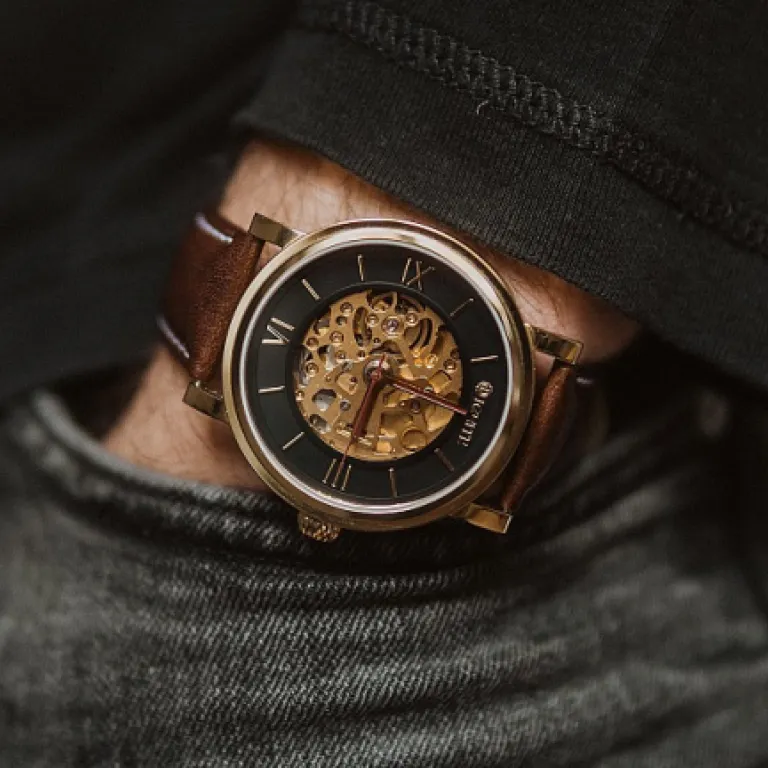
Understanding average female wrist size in luxury watch selection
For serious collectors, the average female wrist size is more than a statistic. It is a practical guide that shapes how a watch case, bracelet, and strap will sit in daily wear, especially when pieces are heavy precious metal. Across many markets, the average wrist for women typically falls between about 14 and 16 cm in wrist circumference, which directly influences ideal case size and overall watch size.
When a client asks how to measure wrist dimensions correctly, professionals usually start with a flexible tape or a simple piece string wrapped once around the wrist. This basic measurement then translates into a bracelet size and into the size guide used by maisons to propose suitable watches and bracelets. For enthusiasts who prefer inches, that same average wrist converts to roughly 5.5 to 6.25 inches, which often pairs best with a watch case between about 28 and 34 mm depending on lug distance and case thickness.
In high horology, a perfect fit is not only about size but also about visual balance between the case and the wrists. A small wrist can still carry a bold watch if the lug distance is compact and the strap tapers elegantly, while larger wrists may need broader straps and more assertive sizes. Understanding average wrist data helps brands refine each size chart and size guide, but individual measurement remains essential before choosing any watch size or case size.
How to measure wrist and translate it into watch size
Accurate measurement is the foundation for matching the average female wrist size with the right luxury watch. To measure wrist dimensions at home, place a tape or piece string just above the wrist bone, mark the overlap, then lay it flat to read the measurement in centimeters or inches. This wrist circumference becomes the reference for bracelet size, strap length, and the ideal watch case and case diameter that will respect both comfort and aesthetics.
Collectors who want a precise size wrist assessment often repeat the measurement several times, because even a few millimeters can change how a watch will feel. Once the average wrist value is confirmed, you can consult a detailed size chart or size guide from the brand, which links wrist size to recommended watch size and case size ranges. Many maisons now publish digital tools that allow you to measure watch proportions virtually, overlaying different case thickness and lug distance options on your own wrists.
For women with smaller wrists, the same measurement process is even more critical, since an oversized watch case can overhang the wrist and compromise the perfect fit. A well calibrated strap or interchangeable straps system lets the watch adapt to seasonal changes in wrist circumference, especially with leather straps that stretch slightly. When evaluating refined blue dial watches for women, for example, pairing the dial color with the right bracelet and case diameter can transform a beautiful object into a daily companion ; an in depth perspective on this balance appears in this analysis of why blue dial watches captivate luxury enthusiasts.
Case size, lug distance, and visual harmony on the female wrist
Once the average female wrist size is known, the next step is decoding how case size, case thickness, and lug distance interact on the arm. The same nominal watch size can feel radically different depending on the curvature of the lugs, the bracelet design, and the strap attachment system. A 32 mm watch case with short, downward lugs may hug smaller wrists beautifully, while a 30 mm case with long straight lugs can appear larger than its measurement suggests.
Experts often advise that the lug to lug distance should not exceed the flat width of the wrist, especially for women targeting a perfect fit on the average wrist. This rule of thumb ensures that the watch will not overhang, even when the bracelet or straps are adjusted tightly. When you measure watch options in a boutique, pay attention not only to case diameter but also to how the case thickness and lug distance visually balance the wrist size from multiple angles.
For collectors who appreciate white and gold aesthetics, the apparent size watch effect can be amplified by polished surfaces and bright dials, which visually enlarge the case. A thoughtful size guide therefore considers both physical sizes and optical impact, particularly on smaller wrists that can be overwhelmed by reflective bracelets. These nuances are explored further in discussions of the allure of white and gold watches, where similar principles of proportion and bracelet size apply equally to female wrists.
Bracelets, straps, and achieving the perfect fit on smaller wrists
Even with the correct average female wrist size, the wrong bracelet or strap can ruin the wearing experience. Metal bracelets rely on discrete links, so achieving a perfect fit on a small wrist sometimes requires half links or a fine adjustment clasp that allows micro measurement beyond the standard size chart. When the bracelet size cannot be tuned precisely, the watch will either rotate around the wrist or pinch uncomfortably against the skin.
Leather and rubber straps offer more flexibility, since extra holes can be added to match the exact wrist circumference and size wrist profile. For women whose wrists fluctuate slightly with temperature, multiple straps in different sizes can maintain a consistent watch size feel throughout the year. Collectors often keep several straps and bracelets for a single watch case, using a size guide to ensure that each strap length corresponds to the same average wrist measurement.
On smaller wrists, tapered straps that narrow toward the buckle visually reduce the apparent case size and case thickness, creating a more elegant line. When you measure wrist dimensions for custom straps, communicate both the flat measurement and how tight you prefer the strap, because this affects the final size watch specification. Thoughtful maisons treat bracelet size and strap lengths with the same precision as movement finishing, recognizing that the watch will only feel truly luxurious when the size, fit, and measurement all align.
Average female wrist size across regions and its impact on design
While the concept of an average female wrist size is useful, regional differences subtly influence how brands calibrate watch size and bracelet size offerings. In some Asian markets, smaller wrists are more common, leading maisons to prioritize compact case size options, shorter lug distance, and more delicate straps. In European and North American markets, where the average wrist may be slightly larger, the same watch case might be offered in expanded sizes to maintain proportional balance.
Designers study wrist circumference data and average wrist statistics to refine each size chart and size guide before launching a collection. They analyze how different case thickness and case diameter combinations read on a range of wrists, from very small wrists to more athletic profiles. This research ensures that a single reference can be offered in multiple watch size and watch case variants, allowing clients to measure watch options against their own size wrist realities.
For high jewelry watches, where bracelets and straps often integrate precious stones, the challenge of achieving a perfect fit on the average wrist becomes even more complex. Adjusting bracelet size may require removing gem set links, so accurate measurement with a tape or piece string is essential before final delivery. Many maisons now provide personalized fitting sessions where specialists measure wrist dimensions, interpret the size guide, and confirm that the watch will sit flawlessly on the client’s wrists for years.
Practical size guide for collectors choosing a luxury watch
Translating the abstract idea of average female wrist size into a concrete purchase decision requires a structured approach. Start by measuring your wrist circumference carefully, using a tape or piece string, then convert the result into both centimeters and inches for easier comparison with international size chart references. Note whether your wrists fall below, within, or above the commonly cited average wrist range, because this will guide you toward smaller wrists focused models or more substantial watch size options.
Next, evaluate case size and case diameter in relation to your measurement, aiming for a watch case that neither overhangs nor disappears on the wrist. For many women near the average wrist, a range between roughly 28 and 34 mm offers a versatile balance, though personal style and case thickness preferences can shift this window. Always check lug distance and bracelet size as well, since these elements determine how the watch will actually hug the wrist once the straps or bracelets are sized.
Finally, consult the brand’s official size guide and size chart, then test several sizes on the wrist to refine your sense of the perfect fit. Pay attention to how different straps and bracelets change the perceived size watch effect, especially when alternating between leather straps and metal bracelets. For collectors interested in advanced materials and bold aesthetics, this detailed overview of sapphire case innovation in luxury horology shows how unconventional watch case designs can still respect the fundamentals of wrist size, measurement, and long term comfort.
Key statistics on female wrist size and luxury watch proportions
- Average female wrist size typically centers around 14 to 16 cm in circumference, shaping standard bracelet size and strap lengths in many collections.
- For this average wrist range, many maisons position core women’s watch size offerings between roughly 28 and 34 mm in case diameter, depending on lug distance and case thickness.
- Specialists often recommend that lug to lug distance should not exceed the flat width of the wrist, especially for smaller wrists seeking a perfect fit and balanced watch case presence.
- In markets where wrists trend smaller, brands frequently expand their size chart with additional compact sizes and shorter bracelets to maintain proportional harmony.
- Precise measurement using a tape or piece string can reduce post purchase bracelet adjustments significantly, improving long term comfort and preserving the integrity of straps and bracelets.
Questions collectors often ask about average female wrist size
How does average female wrist size influence ideal watch size ?
The average female wrist size provides a starting point for selecting an appropriate watch size, case size, and bracelet size that will feel balanced. When your wrist circumference falls near the average wrist range, you can usually explore the central segment of a brand’s size chart, where most women’s references cluster. From there, personal taste, case thickness, and lug distance help refine the final watch case choice.
Can women with smaller wrists wear larger watches comfortably ?
Women with smaller wrists can wear larger watches if the lug distance is compact and the bracelet or straps are adjusted precisely. A curved watch case, tapered strap, and moderate case thickness can make a larger nominal size watch sit comfortably without overhang. Trying several sizes on the wrist remains essential, because visual balance and perfect fit depend on more than raw measurement alone.
What is the best way to measure wrist size at home ?
To measure wrist size accurately, wrap a flexible tape or piece string around the wrist just above the bone, mark the overlap, then read the length flat. This wrist circumference in centimeters or inches becomes the basis for interpreting any size guide or size chart from a watchmaker. Repeating the measurement a few times ensures that the final size wrist value you use to choose a watch case is reliable.
How do straps and bracelets affect how a watch will fit ?
Straps and bracelets significantly influence how a watch will feel and how its size is perceived on the wrist. Metal bracelets rely on links and micro adjustments to achieve a perfect fit, while leather straps and rubber straps offer finer tuning through additional holes and varied lengths. On the average female wrist size, a well matched bracelet size or strap length can make the same watch size appear either discreetly elegant or assertively present.
Why do some watches feel larger than their stated case diameter ?
Some watches feel larger than their stated case diameter because lug distance, bezel design, dial opening, and case thickness all affect visual size. A thin bezel and wide dial can make a modest case size dominate smaller wrists, while thick bezels and short lugs can make a larger watch case wear more compactly. Evaluating the watch on your own wrist, rather than relying solely on measurement, remains the most reliable way to judge whether the watch will achieve a perfect fit.