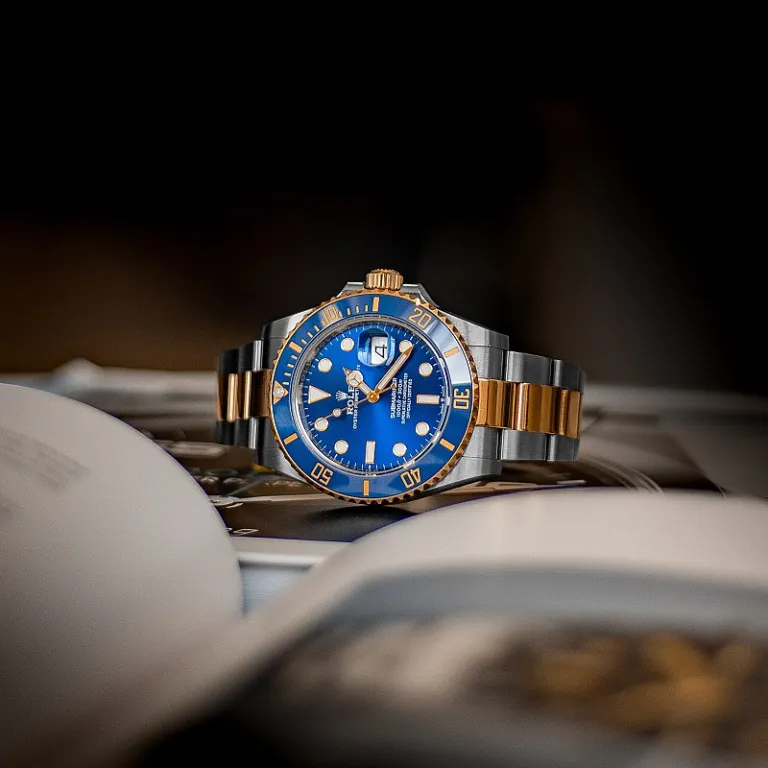
Why average woman wrist size matters in haute horlogerie
For a luxury watch enthusiast, understanding the average woman wrist size is essential. When a collector evaluates a wrist watch, the relationship between case diameter, band design, and wrist circumference defines elegance and comfort. A refined size guide built around real wrist sizes allows women to select bracelets and watches that feel tailored rather than generic.
Most women fall within a relatively narrow range of wrist size, yet a few millimetres can transform how a watch or bracelet fits. A precise wrist measurement using a soft tape measure or flexible measuring tape helps translate abstract sizes into a personal size chart that actually works. Instead of relying on vague labels like small medium or medium large, serious collectors prefer exact wrist circumference data expressed in centimetres and inches.
To measure wrist dimensions correctly, place a measuring tape just above the wrist bone where a band naturally rests. The tape should be snug but not tight, allowing for a perfect fit once the bracelet size or strap length is chosen. This simple measure wrist ritual, repeated for both jewelry and watch purchases, quickly reveals your normal wrist profile and highlights whether you lean toward small or large sizes.
Luxury bracelets and chain bracelets often use different size wrist conventions than watch straps, which can confuse even experienced women. A dedicated guide women can consult before they shop helps align bracelet sizes, wrist watch proportions, and jewelry aesthetics. For collectors who also buy for men, comparing men and women wrist sizes side by side sharpens the eye for balance, harmony, and long term comfort.
How to measure wrist circumference with professional precision
Accurate wrist measurement is the foundation of any serious discussion about average woman wrist size. Start by relaxing the hand, because a tense wrist can distort the true circumference and lead to a poor fit. Wrap a flexible measuring tape around the narrowest point above the wrist bone, making sure the tape measure lies flat without twisting.
Note the wrist size in both centimetres and inches, then repeat the measure wrist process once more to confirm consistency. Many women are surprised to see how a difference of only a few millimetres in wrist circumference changes the way bracelets and bands sit. Recording several wrist measurements over time also reveals whether your normal wrist fluctuates with temperature, hydration, or activity.
If you do not have a measuring tape, use a strip of paper or a thin band of fabric as a temporary size guide. Mark where the ends meet around the wrist, then lay the strip against a ruler to convert the length into standard sizes. This method works for both women and men, and it is particularly useful when ordering jewelry or a wrist watch online from a specialist shop.
Collectors who appreciate the heritage of fine watchmaking often pair precise wrist sizes with knowledge of case dimensions and lug to lug measurements. Understanding how your wrist size interacts with these technical figures is as important as knowing the rich legacy of high end watches described in this in depth history of haute horlogerie. With this combined measurement and historical insight, women can select bracelets, chain bracelets, and bands that respect both ergonomics and tradition.
Translating wrist sizes into watch and bracelet proportions
Once you know your wrist circumference, the next step is translating that measurement into harmonious watch and bracelet size choices. For the average woman wrist size, case diameters between roughly 28 and 36 millimetres often provide a perfect fit, though personal taste and wrist sizes always play a role. A small wrist may call for a more compact wrist watch, while a larger wrist can elegantly support bolder sizes and wider bands.
Bracelet size should never be chosen solely by generic labels such as small medium or medium large. Instead, use a detailed size chart that links wrist measurement in centimetres and inches to specific bracelet sizes and band lengths. Many high end jewelry maisons and specialist shop platforms now provide a guide women can use to match their wrist size and bracelet size with remarkable precision.
Chain bracelets and metal bands require slightly more ease than leather straps, because rigid links do not flex around the wrist in the same way. When you measure wrist circumference for these pieces, add a small allowance so the bracelets can move gracefully without rotating excessively. This approach works for both women and men, although the average sizes differ between the two groups.
Collectors who appreciate compact designs often gravitate toward mini models, such as those explored in this article on the charm of the Cartier Mini Panthère. Such pieces demonstrate how a thoughtfully chosen band and bracelet size can flatter a small wrist without appearing diminutive. The key is always to align wrist measurement, case dimensions, and bracelet sizes with the wearer’s proportions and lifestyle.
Average woman wrist size compared with men and unisex designs
For luxury watch connoisseurs, comparing average woman wrist size with typical men wrist sizes clarifies why certain models feel more balanced. Women generally present a smaller wrist circumference, which means that identical case sizes can appear dramatically different on each gender. A 40 millimetre wrist watch that looks restrained on many men may dominate a small wrist on women, especially when paired with a thick band.
Unisex designs complicate this picture, because they often target the middle ground between traditional women and men sizes. In practice, this means that a careful wrist measurement and consultation of a precise size chart are indispensable before you shop. A flexible measuring tape measure allows you to evaluate whether a given bracelet size or strap length will achieve a perfect fit on your particular wrist size.
Many maisons now offer multiple band lengths for the same reference, acknowledging the diversity of wrist sizes among women and men. When you measure wrist circumference for such models, note both the tight and relaxed positions to understand your full size wrist range. This dual wrist measurement helps you select between small medium and medium large strap options without guesswork.
Sports luxury pieces illustrate this interplay between gender, size, and ergonomics particularly well, as seen in this analysis of modern sports luxury watch design. Even when a watch is marketed as unisex, the average woman wrist size still demands a tailored bracelet size and band adjustment. Ultimately, the most refined jewelry and chain bracelets respect the individuality of every wrist, rather than forcing women into a single normal wrist category.
Using size guides and charts to achieve the perfect fit
In the digital era, a reliable size guide has become as important as the watch itself for informed collectors. When evaluating a piece online, always consult the brand’s size chart and compare it with your own wrist measurement in centimetres and inches. This disciplined approach ensures that the bracelet size, band length, and case dimensions correspond to your actual wrist size rather than an abstract average woman wrist size.
Many maisons now publish a dedicated guide women can use to interpret wrist sizes, bracelet sizes, and strap options. These guides typically explain how to measure wrist circumference with a tape measure or flexible measuring tape, then translate that data into small, small medium, medium large, and large categories. By aligning your normal wrist measurements with these ranges, you dramatically increase the chances of achieving a perfect fit on the first attempt.
When dealing with chain bracelets or metal bands, pay close attention to the number of removable links indicated in the size chart. A small wrist may require several links to be removed, while a large wrist might need additional links ordered from the shop or boutique. This is equally relevant for women and men, because wrist sizes vary widely within each group.
For leather or rubber bands, consider how the perforation pattern interacts with your size wrist and wrist circumference. Ideally, the pin should sit near the middle holes when the band is fastened, leaving room for minor wrist measurement fluctuations. This thoughtful calibration between jewelry design, wrist watch engineering, and precise measurement is what separates casual buying from true connoisseurship.
Practical tips for luxury collectors with small or large wrists
Collectors whose wrists fall outside the average woman wrist size range face unique challenges, but also unique opportunities. A very small wrist can look exquisite with slim bracelets, delicate chain bracelets, and compact wrist watch designs that highlight fine details. To achieve a perfect fit, start with an exact wrist measurement using a flexible measuring tape, then consult a size guide that lists both centimetres and inches.
For small wrists, prioritize cases with shorter lug to lug distances and tapered bands that follow the natural wrist circumference. Adjust bracelet size carefully, removing links or choosing shorter strap lengths so the band does not slide over the wrist bone. This precise measure wrist strategy prevents the watch from rotating and maintains the visual balance that luxury jewelry demands.
At the other end of the spectrum, women with large wrists should not hesitate to explore sizes traditionally associated with men. A larger size wrist can carry broader bands, bolder bracelets, and substantial chain bracelets without appearing oversized or inelegant. Here again, a detailed size chart and accurate wrist measurement help you find the ideal combination of bracelet sizes and case diameters.
Whether your normal wrist is small, medium, or large inches above the average, the principles remain the same. Use a tape measure, record several wrist sizes, and compare them with the brand’s guide women resources before you shop. By treating wrist size, bracelet size, and wrist circumference as core specifications rather than afterthoughts, you elevate every acquisition from simple purchase to carefully measured investment.
Key statistics on wrist size and luxury watch fit
- Average woman wrist size typically falls within a narrow band of circumferences, yet a difference of 5 millimetres can significantly alter perceived watch proportions.
- Collectors who record their wrist measurement in both centimetres and inches report a higher satisfaction rate with bracelet size and band length choices.
- Brands offering at least three strap or bracelet sizes per model see fewer returns related to poor wrist sizes and imperfect fit.
- Using a flexible measuring tape measure rather than rigid tools reduces wrist measurement errors and improves size guide accuracy.
- Women who compare their wrist circumference with detailed size charts before they shop are more likely to achieve a perfect fit on the first purchase.
Essential questions about average woman wrist size and luxury watches
How does average woman wrist size influence ideal watch diameter ?
The average woman wrist size usually pairs best with case diameters between roughly 28 and 36 millimetres, depending on personal style. A precise wrist measurement and consultation of a size chart help refine this range for each individual. By aligning wrist circumference, lug to lug distance, and bracelet size, collectors can achieve a perfect fit that feels balanced and visually harmonious.
What is the best way to measure wrist circumference at home ?
Use a flexible measuring tape or soft tape measure and wrap it around the narrowest point above the wrist bone. The tape should be snug but not tight, then you record the wrist size in both centimetres and inches. Repeat the measure wrist process to confirm consistency, and use these figures when consulting any size guide or size chart.
How do bracelet sizes differ from strap lengths on a wrist watch ?
Bracelet sizes for metal or chain bracelets usually include a small allowance for movement, while leather or rubber bands rely on perforations for adjustment. When you measure wrist circumference for bracelets, you often add a few millimetres compared with a tight strap measurement. This distinction ensures that both jewelry and watch bands achieve a comfortable, secure, and elegant fit on the wrist.
Can women comfortably wear watch sizes marketed for men ?
Many women with larger wrist sizes or a preference for bold aesthetics wear men references with great success. The key is to compare your wrist measurement with the case diameter, thickness, and band length rather than relying on gender labels. If the bracelet size and strap proportions respect your wrist circumference, a so called men watch can look entirely natural on a woman wrist.
Why do some watches feel uncomfortable even when the size seems correct on paper ?
Comfort depends not only on wrist size and bracelet size, but also on case shape, lug curvature, and overall weight distribution. A watch with straight lugs or a stiff band may overhang a small wrist despite matching the average woman wrist size numerically. Evaluating wrist measurement together with these design factors, and adjusting the band or bracelets accordingly, usually resolves such comfort issues.