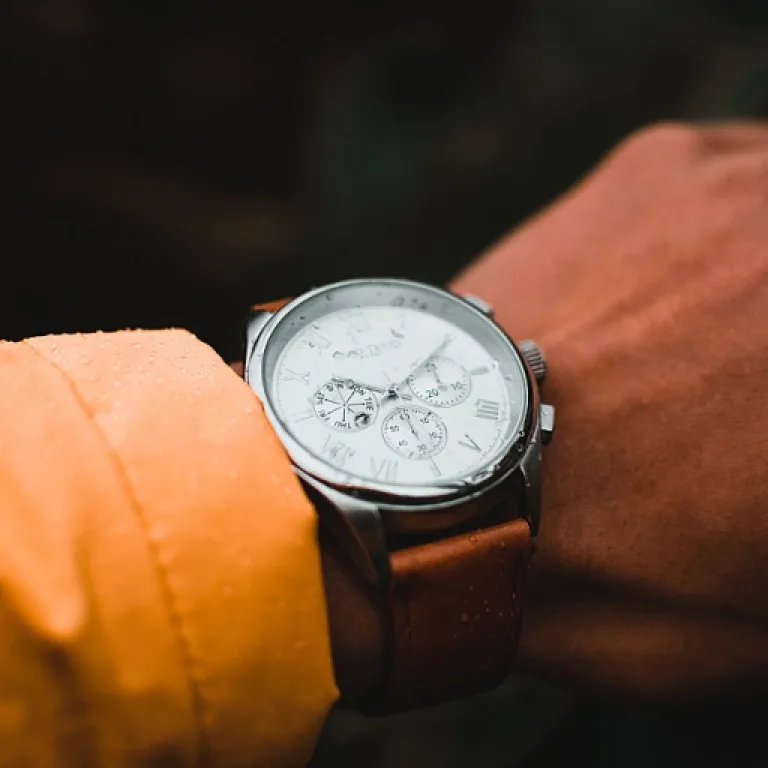
Analog watch vs digital watch in the luxury landscape
The debate of analog watch vs digital watch becomes sharper in luxury. When collectors compare analog watches and digital watches, they weigh heritage, mechanical movements, and modern features digital carefully. A luxury watch must express time, identity, and design with equal authority.
In high horology, an analog watch usually showcases visible hands and a refined analogue display. These watches analog often rely on mechanical movements or quartz movements, each movement shaping accuracy, maintenance, and watch prices. Mechanical watches speak to connoisseurs who value intricate mechanical movements and the poetry of a sweeping seconds hand.
By contrast, a digital watch emphasises legibility and advanced features in a modern format. Many digital watches use quartz movements with a long lasting battery and robust digital analog modules. Their digital display can integrate multiple features digital such as alarms, chronographs, and dual time zones.
Luxury brands rarely focus solely on digital watches, yet the analog digital conversation still matters for serious buyers. Even when a maison creates analogue watches only, clients compare them mentally with digital analog alternatives from other segments. Understanding analog watch vs digital watch helps clarify why luxury analog pieces command such enduring respect.
For purists, an analogue watch with elegant hands hour and minute hands remains the benchmark. They see mechanical watch craftsmanship as the highest expression of timekeeping art. In this context, digital watch options feel more like instruments than heirlooms.
How display, movement, and features shape the experience
When analysing analog watch vs digital watch, the display defines first impressions. An analogue display with slim hands and applied markers creates depth, while a digital display prioritises clarity and instant information. Luxury analog pieces often use layered dials that play with light and shadow across the day.
Mechanical movements inside mechanical watches transform a simple watch into a living object. These mechanical movements, whether manual or automatic, require energy from the wearer rather than a disposable battery. Collectors appreciate how each movement reflects hundreds of hours of finishing and regulation.
Digital watches usually rely on quartz movements, which offer high accuracy and minimal maintenance. A quartz movement paired with a digital analog module can power advanced features such as perpetual calendars, world time, and multiple alarms. This makes a digital watch extremely practical for travel and sport.
However, many luxury watch enthusiasts feel that quartz movements lack the romance of mechanical movements. For them, the gentle beat of a mechanical watch and the smooth motion of the hands hour after hour create emotional attachment. This emotional layer rarely appears in purely digital watches, even when features digital are impressive.
Some hybrid analog digital designs try to bridge both worlds with combined analogue and digital displays. These watches analog can show local time with traditional hands while offering digital sub displays for secondary time zones or timers. Such pieces highlight how the analog watch vs digital watch debate is evolving in the modern market.
Rolex, Patek Philippe, and the authority of mechanical time
In luxury, analog watch vs digital watch often becomes a discussion about brands like Rolex and Patek Philippe. Rolex focuses on robust mechanical movements and analogue displays that balance precision and durability. Its watches analog are designed for everyday wear, yet they remain aspirational luxury symbols.
Patek Philippe represents the pinnacle of classical mechanical watches with refined movements and timeless design. A Patek Philippe mechanical watch with a clean analogue display and slender hands can define a collection. For a deeper look at this philosophy, many collectors study the purest expression of the classic men’s chronograph from the brand.
Neither Rolex nor Patek Philippe is known for mainstream digital watches, which reinforces the prestige of mechanical movements. Their focus on mechanical movements and luxury analog aesthetics shapes expectations for high watch prices. Collectors associate analogue watches from these maisons with long term value and emotional depth.
By contrast, many digital watch specialists emphasise technology, features digital, and aggressive modern design. These digital watches can be excellent tools, yet they rarely achieve the same aura as a traditional luxury watch. The analog watch vs digital watch comparison therefore reflects different philosophies rather than simple technical differences.
Even when enthusiasts admire digital analog innovations, they often reserve their highest respect for mechanical watches. The combination of a mechanical movement, analogue display, and carefully proportioned hands hour after hour defines true luxury analog character. This is why analogue watches remain central to serious collections despite the rise of digital options.
Design, ergonomics, and the daily ritual of wearing time
Beyond movements, analog watch vs digital watch also concerns design and ergonomics. An analogue watch usually offers a calmer dial, where hands glide over markers and numerals. This creates a serene reading of time that suits formal and business settings.
Digital watches often feature bolder cases and more technical aesthetics. Their digital display can show multiple data points simultaneously, from seconds to day and date. For some luxury watch enthusiasts, this density of information feels efficient but less poetic.
Mechanical watches encourage a daily ritual, especially when the movement is manual wind. Winding a mechanical watch each day connects the owner to the movement and the passing of time. This tactile interaction is absent in most digital watches, which rely on a long lasting battery.
Hybrid analog digital models attempt to combine ritual and practicality. These watches analog may use quartz movements for precision while retaining an analogue display and traditional hands. At the same time, a small digital analog window can provide additional features digital such as a second time zone.
For collectors evaluating watch prices, design quality and comfort on the wrist matter as much as specifications. A well balanced luxury analog piece with harmonious hands hour and indices can feel like a natural extension of the wearer. This subtle comfort often explains why analogue watches remain preferred for long term daily wear.
Value, watch prices, and long term perspectives for collectors
When comparing analog watch vs digital watch, value and watch prices become crucial. Luxury analog pieces with mechanical movements often command higher initial prices. However, many collectors view these mechanical watches as long term assets rather than simple accessories.
Mechanical movements can be serviced and preserved for decades, sometimes across generations. This serviceability supports the perception that a mechanical watch offers enduring value. In contrast, digital watches with integrated circuits may become obsolete when components fail or technology changes.
Quartz movements in analogue watches and digital watches provide excellent accuracy at lower watch prices. Yet even quartz movements can be replaced more easily than complex digital modules. For this reason, some collectors prefer analogue watches with quartz movements over fully digital analog devices.
Luxury analog brands also benefit from strong secondary markets, especially for icons. Articles such as the analysis of why the SPB333 stands out in the world of luxury watches show how design and heritage influence demand. These factors rarely apply to mass produced digital watches, which usually depreciate faster.
For investors, the analog watch vs digital watch decision often favours analogue watches from established maisons. A carefully chosen luxury watch with a respected mechanical movement and classic analogue display can retain or grow value. Digital watches, even with advanced features digital, are typically purchased for utility rather than long term appreciation.
Future directions for analogue and digital in luxury watchmaking
Looking ahead, analog watch vs digital watch will remain a nuanced discussion. Luxury maisons continue to refine mechanical movements and analogue displays, focusing on finishing and subtle design. At the same time, some brands experiment with analog digital concepts that respect tradition while embracing technology.
Analogue watches will likely stay central to high horology because they embody craft. The choreography of hands hour, minute, and seconds over a well balanced dial expresses mechanical art. Collectors who value mechanical watches see each movement as a miniature engine of time.
Digital watches will keep advancing with new features digital, materials, and connectivity. However, in the luxury segment, digital analog integration must avoid overshadowing the emotional core of the watch. Successful designs will use digital display elements sparingly, supporting rather than dominating the analogue watch experience.
Enthusiasts comparing analog watch vs digital watch should therefore consider context, lifestyle, and long term goals. A luxury analog daily wearer can coexist with a practical digital watch for sport or travel. This complementary approach respects both mechanical movements and quartz movements without forcing a binary choice.
Ultimately, the enduring appeal of analogue watches, analogue watch aesthetics, and luxury analog craftsmanship suggests a clear hierarchy. Digital watches, digital analog hybrids, and pure digital display tools will serve specific functions alongside them. For passionate collectors, the heart of luxury watch culture will remain resolutely, and beautifully, analog.
Key statistics about analog and digital timekeeping
- Mechanical movements in luxury analog watches typically beat between 18 000 and 36 000 vibrations per hour, shaping precision and servicing needs.
- Quartz movements in digital watches and analogue watches often deviate by only a few seconds per month, far surpassing most mechanical watches in raw accuracy.
- Service intervals for mechanical watches usually range from 5 to 10 years, while quartz movements mainly require battery changes within similar periods.
- Secondary market watch prices for iconic mechanical watches from leading maisons can exceed original retail by significant multiples, unlike most digital watches.
- Hybrid analog digital models remain a small fraction of overall luxury watch production, yet interest in these designs continues to grow among younger collectors.
Questions collectors often ask about analog and digital watches
Is an analog watch better than a digital watch for luxury collections ?
For most luxury collections, an analog watch with a mechanical movement offers greater emotional and long term value than a digital watch. Analogue displays, refined hands, and traditional movements align more closely with high horology. Digital watches remain useful tools, but they rarely become centrepieces of serious luxury collections.
Do digital watches ever qualify as true luxury watches ?
Some digital watches use premium materials and advanced features, yet few reach the status of a classic luxury watch. Collectors usually reserve the term luxury analog for pieces with mechanical movements and analogue displays. Digital analog hybrids can approach this level when design, finishing, and heritage are strong.
Why do mechanical watches cost more than quartz or digital models ?
Mechanical movements require extensive hand finishing, complex engineering, and skilled labour. This craftsmanship, combined with limited production and strong brand heritage, drives higher watch prices. Quartz movements and digital modules are easier to mass produce, which keeps digital watches more affordable.
Are quartz movements acceptable in high end analogue watches ?
Quartz movements can be acceptable in high end analogue watches when design and finishing meet luxury standards. Some collectors appreciate the accuracy and low maintenance of quartz movements in elegant analogue cases. However, purists still prefer mechanical movements for their artistry and traditional character.
Should a new collector start with an analog watch or a digital watch ?
A new collector focused on luxury should usually start with an analog watch. A well chosen mechanical watch with a timeless analogue display builds appreciation for movements and design. Digital watches can complement the collection later as practical, feature rich companions.