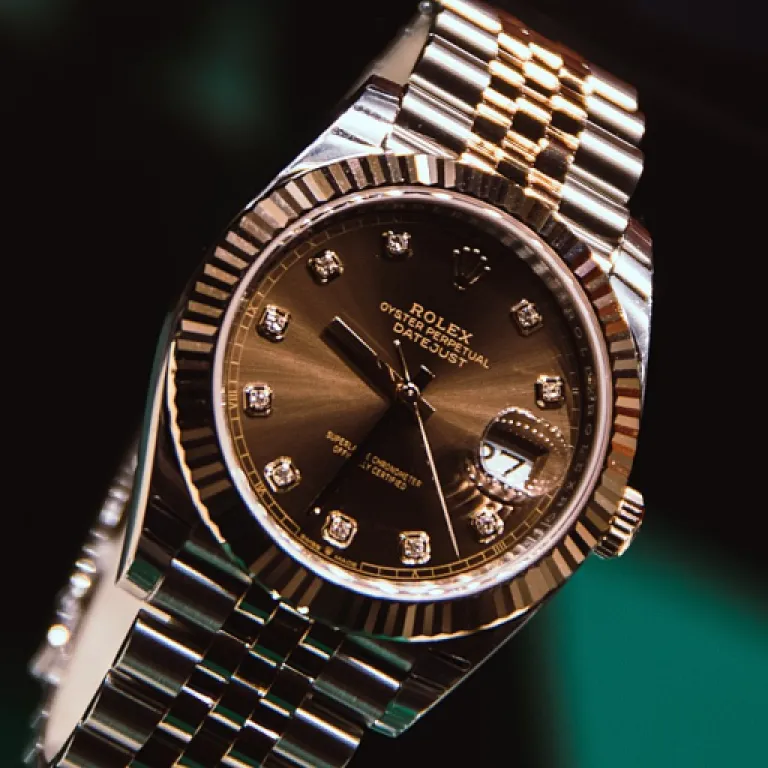
How ceramic and stainless steel bezels define real world durability
In the debate around ceramic vs stainless steel watch bezel durability, context matters as much as chemistry. A ceramic bezel promises near immunity to everyday scratch marks, while a stainless steel bezel offers reassuring toughness against shocks and sudden impacts. For luxury watches enthusiasts, the choice of bezel materials shapes not only aesthetics but also long term ownership satisfaction.
Modern ceramic bezels on a sports watch resist abrasion far better than traditional aluminum bezel inserts. However, stainless steel bezels can deform slightly under stress instead of cracking, which many collectors value when a watch case meets a doorframe or desk edge. When comparing ceramic watches with steel watches, the real question becomes how each material ages on the wrist rather than in a laboratory test.
Rolex, Seiko and Audemars Piguet each illustrate different philosophies about bezel materials in the contemporary watch industry. Rolex popularised the modern ceramic bezel on the GMT Master line, while Seiko still offers aluminum inserts and steel bezels on many tool watches. Audemars Piguet uses both steel bezel and ceramic bezel options on the Royal Oak, giving collectors a clear view of the pros cons balance between visual drama and practical resilience.
For pre owned watches, ceramic bezels often look almost new, whereas stainless steel bezels show honest wear that many vintage collectors cherish. A pre owned ceramic watch may present flawless bezel inserts but carry more risk if the ceramic chips at the edge. Understanding how ceramic, steel and aluminum interact with daily knocks, ultraviolet light and skin contact is essential before committing to a significant luxury watches purchase.
Scratch resistance, impact toughness and the science of bezel materials
Scratch resistance is where ceramic bezels dominate stainless steel bezels in the ceramic vs stainless steel watch bezel durability discussion. High tech ceramic materials used in a ceramic bezel rank far above stainless steel and aluminum on hardness scales. This hardness means ceramic watches keep their deep gloss and sharp numerals even after years of desk diving and travel.
However, the same hardness that protects a ceramic watch bezel from a scratch can make it more vulnerable to chips under concentrated impact. Stainless steel bezels, by contrast, are softer but far more forgiving when a watch case hits a tiled floor or metal railing. In real life, many owners accept hairline scratches on a steel bezel as a fair trade for reduced risk of catastrophic bezel insert damage.
Aluminum bezel inserts sit between ceramic and stainless steel in several pros cons dimensions. An aluminum bezel insert scratches more easily than a steel bezel, yet it rarely shatters and can be replaced at relatively modest cost. Vintage bakelite bezel inserts on early GMT Master models remind collectors that bezel materials have always evolved as the watch industry searched for the ideal balance of legibility, durability and serviceability.
Brands like Rolex and Seiko now combine ceramic aluminum style color effects with modern ceramic bezels to echo the charm of older materials. Enthusiasts comparing pre owned and new pieces often weigh whether a ceramic bezel or aluminum insert better suits their lifestyle and tolerance for visible wear. For a deeper perspective on how different brands position such choices in the luxury segment, many collectors study analyses of contemporary luxury watch strategies before deciding which materials align with their expectations.
Rolex, Seiko and Audemars Piguet: three philosophies of bezel durability
Rolex transformed the conversation about ceramic vs stainless steel watch bezel durability when it introduced its modern ceramic bezels on professional models. The GMT Master line, once defined by aluminum bezel inserts and even earlier bakelite bezels, now relies on ceramic bezel technology for color stability and scratch resistance. This shift illustrates how one influential watch industry player can redefine expectations for both tool watches and luxury watches.
Seiko, by contrast, still offers a wide spectrum of bezel materials across its watch collections. Many Seiko sports watches use aluminum bezel inserts or stainless steel bezels, prioritising ease of service and controlled costs. At the same time, higher end Seiko ceramic watches showcase how the brand leverages ceramic materials for elevated durability and refined aesthetics.
Audemars Piguet approaches the bezel question through the sculptural geometry of the Royal Oak and Royal Oak Offshore. A steel bezel on a Royal Oak offers a satisfying balance between scratch susceptibility and structural toughness, especially on pre owned pieces that show graceful aging. Ceramic bezels on certain Royal Oak Offshore models, however, provide a dramatic, almost architectural frame that resists a scratch yet demands careful handling against sharp blows.
Collectors comparing steel watches and ceramic watches from these three maisons often focus on how each bezel material ages in daily wear. A pre owned GMT Master with a faded aluminum bezel insert tells a different story from a nearly pristine ceramic bezel on a recent model. For those drawn to more compact elegance, examining how Cartier handles bezel and watch case design on pieces like the Mini Panthère can further refine one’s sense of how materials influence perceived durability and charm.
Vintage charm, pre owned realities and the appeal of patina
Vintage watches bring an additional layer to ceramic vs stainless steel watch bezel durability, because time itself becomes a design element. Early GMT Master references with bakelite bezels or later aluminum bezel inserts show fading, scratches and even cracks that many collectors now prize. These bezels, along with aged steel bezels and warm gold bezels, demonstrate how materials can gain character rather than simply deteriorate.
In the pre owned market, a stainless steel bezel with visible scratch marks often reassures buyers that the watch case and bezel insert are original. A pre owned ceramic watch, by contrast, may show a flawless ceramic bezel yet hide a history of careful or infrequent wear. When evaluating pre owned luxury watches, experienced buyers weigh whether they prefer the honest patina of steel bezels or the near timeless appearance of ceramic bezels.
Gold bezels, especially on vintage watches, occupy a special niche in this discussion of materials and durability. A gold bezel scratches more easily than a steel bezel or ceramic bezel, but many enthusiasts accept this as part of the metal’s tactile charm. The watch industry has long balanced these pros cons, offering steel watches, gold watches and increasingly ceramic watches to satisfy different tastes.
For collectors who enjoy mixing eras, pairing a modern ceramic watch with a vintage piece featuring aluminum or bakelite bezel inserts can be particularly rewarding. This approach highlights how bezel materials, from ceramic aluminum style finishes to classic stainless steel, each tell a different story about durability and design. It also underlines why understanding both the science and the romance of bezels is essential when building a coherent, long term collection.
Daily wear, servicing and the hidden costs of bezel choices
Real world ceramic vs stainless steel watch bezel durability reveals itself over years of daily wear, not just in specifications. A ceramic bezel shrugs off a scratch from car keys or office hardware, keeping a watch looking fresh far longer than most aluminum bezel inserts. Yet if a ceramic bezel chips at the edge, the repair can be significantly more complex and costly than refinishing a steel bezel.
Stainless steel bezels and steel bezel inserts can usually be polished or brushed during servicing, restoring much of their original appearance. This makes steel watches particularly attractive for owners who accept some wear but appreciate the option of sympathetic refinishing. By contrast, ceramic bezels and ceramic watches in general rely more on outright replacement if damage occurs, which can influence long term ownership costs.
Watchmakers also consider how bezel materials interact with the underlying watch case during impacts. A hard ceramic bezel mounted on a steel watch case may transfer more shock to the movement if struck at an unfortunate angle. Aluminum bezel inserts and steel bezels, being more ductile materials, can absorb some of that energy through deformation rather than transmitting it fully inward.
Collectors comparing pre owned and new pieces should therefore factor in both the pros cons of aesthetics and the realities of service pricing. Independent reviews of modern sports watch competitors often highlight how brands position ceramic bezel and steel bezel options in terms of maintenance. Ultimately, the most durable choice is the one whose aging pattern, service pathway and cost profile align with how you genuinely wear your watches.
Balancing aesthetics, ergonomics and long term value in bezel materials
Beyond pure ceramic vs stainless steel watch bezel durability, aesthetics and ergonomics strongly influence material choices. A ceramic bezel offers a deep, glassy sheen and color stability that aluminum bezel inserts cannot match, especially on bold GMT Master style designs. Stainless steel bezels, however, integrate seamlessly with a steel watch case, creating a cohesive tool watch look that many purists prefer.
Gold bezels and two tone steel and gold bezels add another dimension, especially on luxury watches where visual warmth matters. A gold bezel may show a scratch more readily than a steel bezel or ceramic bezel, yet its patina can enhance perceived value over time. The watch industry leverages these emotional responses, offering ceramic watches, steel watches and precious metal options to cover a wide spectrum of tastes.
Ergonomically, the tactile feel of a bezel insert or full bezel also matters during daily use. Some collectors find that ceramic bezels with engraved numerals provide superior grip and legibility, while others prefer the softer touch of aluminum or steel bezels. Watches ceramic in construction can feel lighter on the wrist, but a traditional steel watch case with a steel bezel often delivers a reassuring sense of solidity.
When assessing long term value, pre owned market behaviour offers useful clues about which materials age most gracefully. Pre owned ceramic watches with intact ceramic bezels often command strong prices, while vintage pieces with aluminum or bakelite bezel inserts attract enthusiasts who value character over perfection. In every case, understanding how ceramic, steel, aluminum and gold interact with time, light and wear is central to making informed, confident collecting decisions.
Key statistics on bezel durability and material performance
Although precise figures vary by manufacturer, several quantitative benchmarks help frame ceramic vs stainless steel watch bezel durability. On the Mohs hardness scale, typical stainless steel used in a steel bezel ranks around 5 to 6, while high tech ceramic materials used in a ceramic bezel often reach values near 9. This gap explains why a ceramic watch bezel resists a scratch from common metals that easily mark a steel bezel.
Laboratory abrasion tests conducted within the watch industry frequently show ceramic bezels retaining their gloss and engraved details after cycles that leave aluminum bezel inserts visibly worn. In controlled impact testing, however, stainless steel bezels and aluminum bezel inserts usually exhibit plastic deformation rather than brittle fracture, whereas ceramic bezels can chip when subjected to sharp, localised blows. Service data from major brands indicate that replacement costs for ceramic bezels are typically higher than for steel bezels or aluminum bezel inserts, reflecting both material expense and more complex manufacturing.
Market analysis of pre owned luxury watches suggests that ceramic watches with intact ceramic bezels maintain a strong percentage of their original retail value. Vintage watches with aluminum or bakelite bezel inserts, especially iconic GMT Master references, can appreciate significantly due to rarity and patina despite lower absolute material durability. Across the broader watch industry, the growing adoption of ceramic bezels, ceramic aluminum style finishes and mixed materials underscores how brands continue to refine the pros cons balance between scratch resistance, impact toughness and long term serviceability.