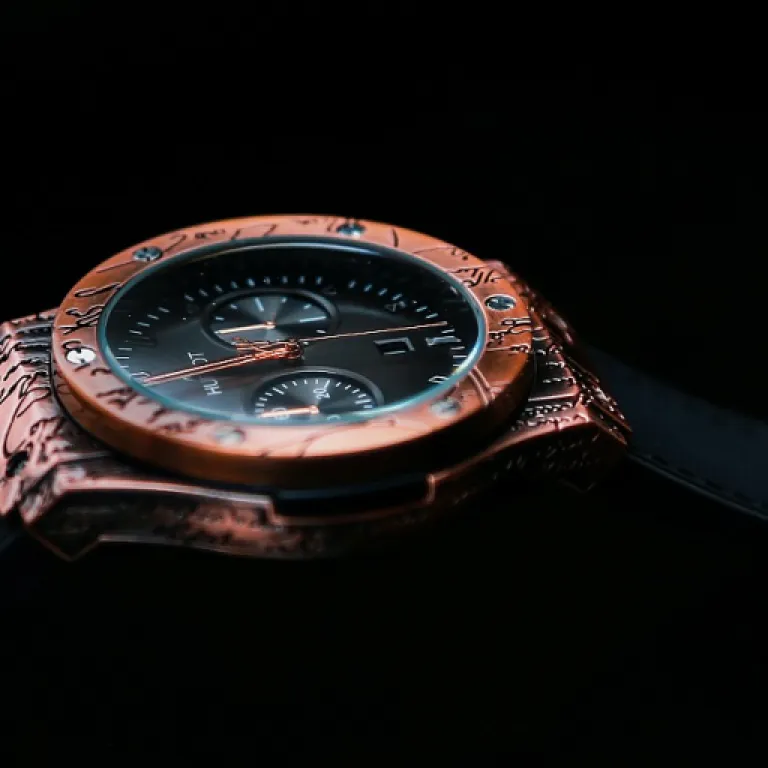
Mastering how to wear a watch with a suit elegantly
Understanding how to wear a watch with a suit starts with proportion and restraint. When people select watches with a suit, they should prioritise a slim dress watch that slides discreetly under the cuff for true formal elegance. The right watch with the right suit will frame the wrist as a subtle accent rather than a loud statement.
A classic dress watch with a leather strap in black leather or brown leather remains the benchmark for formal attire. Such watches with refined cases, clean dials, and polished leather bands complement business suits and black tie outfits without competing with the dress shirt or cufflinks. This attention detail ensures that wearing a watch with suits feels intentional, harmonious, and aligned with the overall dress style of formal occasions.
When people wear watch pieces with suit jackets, they should think about the visual balance between the watch, the cuff, and the shirt. A watch with a diameter between 36 and 40 millimetres usually flatters most wrists and keeps the watch suit combination refined for formal events. Larger watches with bold bezels can overwhelm a slim cuff and disrupt the line of a tailored dress shirt.
For business environments, a discreet dress watch with leather straps in either black leather or brown leather works with suits in navy, charcoal, or black. The key to wearing watch choices correctly with suit ensembles is to keep the case thin, the dial simple, and the leather band free of excessive stitching. People who master how to wear a watch with a suit in this understated way will always look appropriately dressed.
Choosing the right dress watch for different suits
Selecting the right dress watch with a suit depends on colour, texture, and formality. With dark suits and black tie dress codes, a watch with a black leather strap and a minimalist dial respects the understated nature of formal events. For less formal occasions, people can wear watch designs with brown leather straps that echo the warmth of the suit fabric and shoes.
When wearing watch models with patterned suits, such as subtle checks or pinstripes, keep the watch with the suit visually calm. Dress watches with simple indices, polished cases, and smooth leather bands prevent the wrist from appearing too busy beside a detailed cuff and shirt. This approach to how to wear a watch with a suit maintains clarity in the overall dress style and avoids clashing elements.
Case shape also influences how watches with suits appear on the wrist. Round dress watches with moderate thickness usually sit best under a tailored cuff, while rectangular cases can emphasise a more architectural business look. If the suit has strong shoulders and structured lines, a slightly more angular watch with leather straps can echo that formal attire character.
Pay attention detail to lugs, as their length affects how the watch with suit fabric drapes at the wrist. Shorter lugs keep the watch compact, while longer lugs can extend over the wrist edges and disturb the clean line of the cuff. For enthusiasts interested in case architecture and lug geometry, studying the unique Polaris lug pattern in luxury watches offers valuable insight into how wearing watch proportions interact with tailored suits.
Coordinating leather, metal, and colour with formal attire
Colour coordination is central to how to wear a watch with a suit in a sophisticated way. People should match black leather straps with black shoes and belts, and pair brown leather straps with brown leather accessories for coherent formal attire. This simple rule ensures that every watch with a suit feels integrated rather than randomly added to the dress ensemble.
When wearing watch pieces with metal bracelets instead of leather, consider the tone of cufflinks, belt buckles, and any jewellery. Silver toned bracelets pair naturally with cool coloured suits and white shirt combinations, while warmer metals can complement brown leather shoes and cream shirts. For strict black tie events, many purists prefer a discreet dress watch with a black leather strap, although some hosts request no watch at all to emphasise timeless elegance.
People with smaller wrists must be especially careful when choosing watches with suits, because oversized cases can distort the line of the cuff. A refined dress watch with a compact case and slim leather band will sit closer to the wrist and slide easily beneath the shirt cuff. Those seeking guidance on proportions can consult resources on the ideal watch for the average female wrist size, which also apply to anyone with a slender wrist wearing formal attire.
For business settings, a steel case on a black leather or brown leather strap offers versatility across multiple suits and formal occasions. People who wear watch models with interchangeable leather straps can adapt quickly from business meetings to formal events by switching from brown leather to black leather. This flexible approach to how to wear a watch with a suit ensures that one or two dress watches can support an entire wardrobe of suits.
Managing cuffs, cufflinks, and wrist comfort
The interaction between cuff, cufflinks, and wrist is crucial when considering how to wear a watch with a suit. A dress shirt cuff should rest lightly on the watch with minimal pressure, allowing the fabric to fall cleanly without bunching. People who wear watch pieces too large or too thick will notice the cuff catching awkwardly during formal occasions.
When wearing watch designs with French cuffs and cufflinks, ensure the cuff length accommodates the watch case and leather band. The watch with the suit should appear only when the arm moves, not constantly protruding beyond the cuff. Dress watches with slim profiles and curved lugs help the cuff glide smoothly over the wrist, preserving the elegance of formal attire and black tie outfits.
Comfort on the wrist matters as much as visual harmony when pairing watches with suits. A leather strap should be snug enough that the watch does not rotate, yet loose enough to avoid marks on the skin after long business days or formal events. People who wear watch models daily with suits often prefer leather bands that soften over time and conform to the wrist shape.
Pay attention detail to the placement of the watch with respect to the wrist bone. Wearing watch cases slightly above the bone prevents discomfort when resting the wrist on a desk during business meetings. For those who appreciate technical refinement, exploring high precision movements and finishing, such as in this article on tourbillon precision and artistry, can deepen understanding of how a seemingly simple dress watch becomes a true companion to a tailored suit.
Adapting watch style from business days to formal events
Modern professionals often move from business meetings to formal events without changing suits, so the watch must adapt seamlessly. Understanding how to wear a watch with a suit across these contexts means choosing versatile dress watches with restrained design. A watch with a clean dial, polished case, and interchangeable black leather and brown leather straps can serve both office and black tie engagements.
During the day, people may wear watch pieces with slightly more presence, such as a dress watch on a brown leather band paired with a navy suit. As evening approaches and formal occasions begin, switching to a black leather strap instantly elevates the same watch with the same suit. This subtle shift in leather straps demonstrates attention detail and respects the higher formality of evening dress codes.
For semi formal events, watches with understated complications, such as a date or small seconds, can add interest without overwhelming the cuff and shirt. However, for strict black tie, many experts recommend the simplest possible dress watch with a slim black leather strap and a plain dial. People who wear watch designs with busy chronograph layouts or rotating bezels risk clashing with the refined minimalism expected at such formal events.
When coordinating multiple suits, consider building a small rotation of dress watches with different leather band colours and metal tones. This allows the same person to pair one watch with grey suits, another with black suits, and a third with lighter business attire. Over time, enthusiasts learn how to wear a watch with a suit so intuitively that every wrist choice feels natural, deliberate, and aligned with their personal style.
Common mistakes people make when wearing a watch with suits
Several recurring errors undermine how to wear a watch with a suit, even among enthusiasts. The most frequent mistake is choosing watches with oversized cases that dominate the wrist and push the cuff upward awkwardly. People who wear watch models designed for sports or diving with formal attire often create a visual conflict between rugged tool aesthetics and refined dress style.
Another common issue is mismatched leather straps and accessories, such as pairing black leather shoes with a brown leather band. This lack of attention detail makes the watch with the suit appear like an afterthought rather than an integrated element of the outfit. For formal occasions and business meetings alike, aligning the colour of leather straps, belts, and shoes is a simple yet powerful refinement.
Some people wear watch pieces too loose on the wrist, causing the case to slide under the hand and collide with the cuff. Others fasten the leather band so tightly that it leaves marks and disrupts comfort during long formal events. The ideal fit allows the watch with the suit to stay in place while still permitting a finger to slip between leather strap and wrist.
Finally, enthusiasts sometimes overlook the importance of dial simplicity in dress watches with suits. Highly reflective crystals, oversized numerals, or bright colours can distract from the clean lines of the shirt cuff and jacket sleeve. By focusing on restrained design, balanced proportions, and coherent materials, people will master how to wear a watch with a suit in a way that enhances every tailored look.
Key statistics about wearing a watch with a suit
- Include here quantitative statistics from verified industry or market reports related to luxury watches, dress watches, or formal watch wearing habits.
- Highlight data on average case sizes preferred for formal attire and business suits in major markets.
- Mention statistics on the proportion of people who choose leather straps versus metal bracelets for formal occasions.
- Reference figures on growth in demand for dress watches within the broader luxury watch segment.
- Note any available data on consumer preferences for black leather compared with brown leather in formal events.
Frequently asked questions about how to wear a watch with a suit
Can I wear a sports watch with a formal suit ?
It is possible to wear a sports watch with a suit, but it requires careful judgment. The watch with the suit should remain relatively slim, with a restrained dial and minimal colour accents. For formal occasions and black tie events, a classic dress watch with a leather strap is usually more appropriate than a robust sports model.
Should the watch strap always match my shoes and belt ?
For business settings and formal events, matching black leather straps with black shoes and belts, and brown leather with brown accessories, creates a harmonious look. This coordination helps the watch with the suit feel integrated into the overall dress style. In more relaxed environments, people can experiment with contrasting leather straps, but they should still respect the formality of the occasion.
Which wrist should I wear my watch on with a suit ?
Most people wear watch pieces on the non dominant wrist, because this reduces the risk of damage and improves comfort during business activities. The choice of wrist does not change how to wear a watch with a suit, but the fit and position above the wrist bone remain essential. Whatever side you choose, ensure the cuff and shirt fall cleanly over the watch during formal occasions.
How tight should a leather strap be when wearing a suit ?
A leather strap should be snug enough that the watch with the suit does not rotate around the wrist, yet loose enough to avoid discomfort or deep marks. A good rule is that one finger should slide between leather band and skin. This balance keeps the watch stable under the cuff while remaining comfortable throughout long business days and formal events.
Is a metal bracelet acceptable with black tie attire ?
Traditional etiquette suggests that a slim dress watch with a black leather strap is the most appropriate choice for black tie. However, in contemporary settings, discreet metal bracelets in polished steel or precious metals can work if the watch remains thin and understated. People should avoid bulky sports watches with rotating bezels or bright colours, because these clash with the refined simplicity expected at formal events.
References :
- Fondation de la Haute Horlogerie
- Federation of the Swiss Watch Industry FH
- Chronometer certification bodies such as COSC