Choosing the right structure to insure a watch collection
Learning how to insure a watch collection starts with structure. A five-figure set of luxury watches sits in an awkward middle ground where standard protection from homeowners insurance or renters insurance often gives the illusion of security while quietly excluding most meaningful coverage. You need to decide whether your watches are treated as generic household contents under a broad policy or as a dedicated asset class with specialist watch insurance and clearly defined terms.
Most homeowners and renters policies will cover some watches and jewelry, but the limit for theft or mysterious loss is usually only a few thousand dollars and often applies to jewelry as a single category, not to each individual luxury watch. That means a single steel Rolex Submariner or a pair of modern Rolex sports models can already exceed what your homeowners insurance will pay, especially once appreciation and sales tax are considered over the long term. If you rely only on a standard contents clause, the insurer may treat a five-figure watch as just another item of jewelry, which is rarely how a serious collector views a reference like a Rolex Explorer or a Patek Philippe Calatrava.
For most collectors, the practical answer to how to insure a watch collection is a dedicated watch insurance policy that lists each piece with its own agreed value and clear coverage language. A standalone watch insurance contract can extend protection to accidental damage, mysterious disappearance, and theft while travelling, which are exactly the scenarios that concern anyone who actually wears their watches. When you insure watches individually, you can negotiate whether the policy will provide full replacement, cash settlement, or repair, and you can align that with how you actually buy, sell, and trade over time.
Rider, standalone, or hybrid: matching coverage to how you live
The next step in how to insure a watch collection is deciding where the coverage sits relative to your home and lifestyle. If you own a house or condo, you can often add a scheduled personal property rider to your homeowners or condo policy, which effectively bolts a mini watch schedule onto your existing insurance. This can work for a compact set of luxury watches, especially if you rarely travel with more than one piece and you are comfortable with the insurer’s approach to claims, deductibles, and valuation.
Collectors who split their time between several homes or a renters-and-condo arrangement often benefit from a standalone watch insurance contract that is not tied to any single address. A specialist watch insurer tends to understand that a luxury watch is worn in boardrooms, airports, and restaurants, not just stored in a safe, and will often cover worldwide wear, not only theft from a fixed location. When you read the policy documents, look for explicit language on accidental damage, unexplained loss, and whether the insurance follows the watch or only the primary residence listed under your homeowners or renters details.
Hybrid setups can also help when your collection straddles jewelry and horology, for example if your partner’s jewelry and your watches share the same safe. In that case, you might keep a modest jewelry schedule on the main homeowners insurance while placing the core luxury watch pieces under a separate specialist policy with broader protection. Whatever route you choose, bookmark the section of the policy documents that defines covered loss and damage, because that wording will decide how the insurer interprets a dropped Rolex GMT-Master on marble or a scratched platinum dress watch after a crowded event.
For readers still building towards a five-figure level, pairing this insurance thinking with a disciplined acquisition plan is smart, and a guide on how to start a watch collection without overpaying can help align future purchases with insurability and long-term value. As your coverage matures, revisit whether each watch still belongs on a rider or whether it has graduated to the specialist tier that justifies its own dedicated policy. The structure should evolve as your collection, lifestyle, and risk tolerance change over time.
Documentation and provenance: the backbone of claims and value
Insurance for a five-figure watch collection is only as strong as the paperwork behind it. When a loss or damage event happens, the insurer will ask for proof that the watch existed, that you owned it, and that its stated value was realistic at the time of the incident. That is where meticulous documentation, provenance, and storage of policy documents become as important as the steel and gold on your wrist.
Start with a master inventory that lists every watch, including brand, reference, serial number, purchase date, price, and current estimated value, and keep both digital and printed copies in separate locations for protection. Attach high-resolution, dated photographs of each luxury watch from multiple angles, including the caseback and any unique engravings, because these images will help during claims if a stolen Rolex or other high-end piece later surfaces at a dealer or auction. For Rolex and similar brands in particular, box and papers can materially influence both resale and insurance coverage, so store warranty cards, receipts, and service invoices in a dry, fire-resistant location away from the main safe that holds the watches.
Service history matters as much as original purchase receipts when you insure watches that are older or have been modified over time. A specialist watch insurer will often ask for recent appraisals or service reports to confirm condition, originality, and whether any aftermarket parts might limit coverage for accidental damage or theft. If you use multi-watch winders, treat them as part of your documentation ecosystem by labelling each slot and pairing it with a digital record, and a guide on how multi watch winders protect and elevate a serious collection can help you integrate storage, maintenance, and insurance planning into one coherent system.
Storage, safes, and the real world risk of wearing your watches
Storage is where the romance of collecting meets the unglamorous reality of risk management. A five-figure collection sitting in a flimsy bedside box is effectively self-insured, because no serious insurer will cover full loss or damage if basic precautions were ignored. To align storage with how to insure a watch collection properly, you need to think in layers of physical protection, discretion, and practical access.
At home, a rated safe anchored to concrete and hidden from casual view is the baseline for meaningful coverage on luxury watches and jewelry. Insurers often differentiate between watches and jewelry kept in a certified safe and pieces left in open drawers, and the difference can decide whether a theft claim triggers full replacement or a sharply reduced payout under standard policy terms. If you live in a condo or rental setting, check whether your building’s security, fire systems, and location affect homeowners-style policies, because these factors can influence both premiums and the insurer’s appetite for high-value watch insurance.
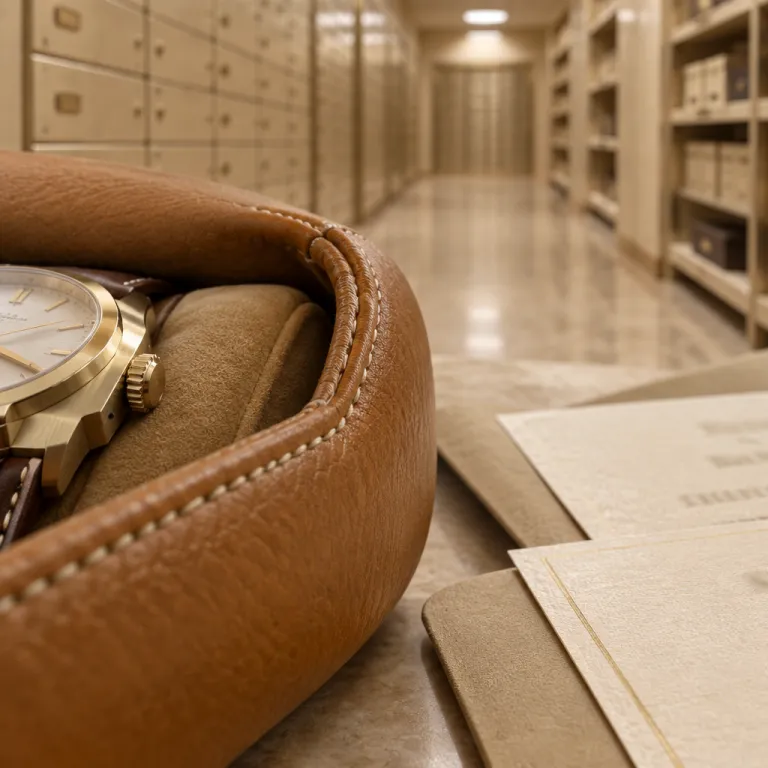
Safe deposit boxes at a bank add another layer of protection, especially for long-term holds such as a vintage Rolex GMT, a rare independent, or a sentimental heirloom that you rarely wear. Many collectors keep a rotation of two or three watches at home and leave the rest in off-site storage, which can help the insurer justify broader coverage for the pieces that are actually on the wrist. When you do wear a luxury watch in public, remember that most claims arise from street theft, restaurant distractions, or travel incidents, not from dramatic safe crackings, so your own habits are as important as any policy documents or hardware.
Humidity control and careful use of winders also play a role in avoiding preventable damage that might complicate claims. A well-chosen Omega watch winder, selected with the help of a guide on how to choose the perfect Omega watch winder for serious collectors, can keep movements healthy without inducing unnecessary wear, which supports both mechanical longevity and the narrative you present if an accidental damage event ever requires a detailed explanation. The goal is simple, even if the execution is not; you want your storage and daily routines to make any future insurance conversation boring, predictable, and fully in your favour.
Valuation drift, travel discipline, and planning for the next generation
The most common failure in how to insure a watch collection is letting values stagnate on paper while the market moves. A Rolex sports model bought for a modest sum can quietly double or triple over time, leaving your insurance documents anchored to a number that no longer reflects replacement cost. When a theft or catastrophic damage finally happens, the insurer will cover only the outdated figure, and you will be left funding the gap if you want the same reference back on your wrist.
Schedule a formal review of your watch insurance every one to two years, or sooner if you know that certain Rolex or independent pieces have seen sharp appreciation. A specialist watch appraiser who understands luxury watches can provide updated valuations that your insurer will accept, and those numbers should feed directly into revised coverage limits and any riders attached to homeowners or renters policies. Treat this as part of your regular maintenance cycle, alongside servicing movements, checking gaskets, and reviewing storage, because valuation drift is as real a threat to long-term protection as humidity or magnetism.
Travel introduces its own set of risks that no amount of safe storage at home can offset. Before a trip, decide which watch or watches you will actually wear, and leave the rest in the safe or bank box, because carrying a roll of three or four luxury watches through airports simply multiplies the chances of loss, damage, or opportunistic theft. Keep copies of receipts and serial numbers in encrypted cloud storage so that, if the worst happens abroad, you can file claims quickly and show that the coverage legitimately applies to that time and place.
Estate and succession planning is the final, often ignored, layer of protection for a five-figure collection. Your will should clearly state who inherits each watch, and your executor should know where the inventory, appraisals, and policy documents are stored so that claims or transfers can be handled without confusion. A well-structured estate plan turns a set of personal objects into a coherent legacy, and that is the point where insurance, storage, and provenance stop being chores and start being part of the story you pass on.
Integrating insurance into a broader collecting strategy
Once the basics of how to insure a watch collection are in place, the real advantage comes from integrating insurance thinking into every acquisition and disposal decision. When you evaluate a potential purchase, you should already be asking how easily a specialist watch insurer will accept the piece, whether parts availability supports long-term maintenance, and how the watch fits into your existing coverage structure. This mindset turns insurance from a grudging afterthought into a quiet filter that improves the overall quality and resilience of your collection.
For example, a modern Rolex with full box and papers, recent service, and a clear market profile is usually straightforward to add to a watch insurance schedule at an agreed value that reflects both current pricing and realistic replacement options. By contrast, heavily modified watches or pieces with missing provenance may still be insurable, but the insurer might limit accidental damage coverage or insist on market value rather than agreed value, which can hurt you if a loss event coincides with a soft market. Thinking this through before you wire funds can help you avoid tying capital into watches that are difficult to protect properly.
As your tastes evolve, you may decide to consolidate several mid-tier watches into one higher-end luxury watch, or to pivot from modern sports models into vintage dress pieces. Each of these moves should trigger a review of your insurance policy, your homeowners or renters arrangements, and your storage setup, because the risk profile of a single six-figure safe queen is very different from a handful of daily wearers. A resource on how to start a watch collection without overpaying can still be useful at this stage, not for the buying basics but for reframing how you think about liquidity, replacement, and the role of each watch in your financial life.
Over time, the combination of disciplined documentation, thoughtful storage, and proactive coverage turns your watches and jewelry into a robust asset class rather than a fragile pile of steel and sapphire. You will handle claims, appraisals, and estate questions from a position of calm authority, because every serial number, receipt, and policy clause is already where it should be. That is the quiet endgame of serious collecting; not the press release, but the wrist presence after ten years.
FAQ
How often should I update valuations for my insured watches?
For a five-figure collection, updating valuations every one to two years is usually prudent, especially for Rolex sports models and independent pieces that can move quickly. If you notice auction results or dealer prices rising sharply for a reference you own, request an interim appraisal and send it to your insurer. Keeping values current ensures that any theft or damage claim reflects what it actually costs to replace the watch.
Does homeowners insurance fully protect a five-figure watch collection?
Most homeowners insurance policies provide only limited coverage for watches and jewelry, often capped at a few thousand dollars and sometimes only for specific perils like fire. High-value luxury watches typically require either a scheduled personal property rider on the main policy or a standalone watch insurance contract to achieve full protection. Relying solely on standard contents coverage is rarely sufficient for a serious collection.
Is a bank safe deposit box necessary if I already have a home safe?
A well-anchored, rated home safe is a strong first line of defence, but a bank safe deposit box adds another layer of security and geographic separation. Many collectors keep rarely worn or long-term investment pieces in the bank and rotate only a few watches through the home safe. This approach can reduce risk and may also make insurers more comfortable extending broad coverage for the watches you actually wear.
What documentation does an insurer usually require after a watch is stolen?
Insurers typically ask for a police report, proof of ownership such as receipts or invoices, serial numbers, and photographs of the watch. If the piece was scheduled on a policy, they will also review the relevant policy documents and any recent appraisals. Having this material organised in advance can significantly speed up the claims process and improve the likelihood of a smooth settlement.
Should I insure every watch I own or only the most valuable pieces?
Insuring every watch is not always necessary, especially for lower-value daily beaters that you would comfortably self-insure. Focus formal coverage on the pieces whose loss would be financially painful or emotionally irreplaceable, such as key Rolex models, rare independents, or family heirlooms. You can still document the rest for your own records, but reserve specialist coverage for the core of your collection.