Why watch authentication defines the real value at auction
Every serious collector knows that watch authentication is the invisible backbone of any successful auction strategy. When a luxury watch crosses the block, its perceived authenticity will often matter more than its estimate, because buyers and sellers both price in the risk of a compromised item. A single doubt about item authenticity can erase the premium usually attached to rare luxury watches.
Seasoned buyers study how each auction house describes the authentication process for every watch and for all watches sold in previous seasons. They compare how the catalogue notes, condition reports, and any third party documentation align with the visible details of the item, then they decide whether the watch and its papers form a coherent story. This disciplined approach helps a buyer or seller avoid paying trophy prices for pre owned pieces that later fail a serious multi point inspection.
Online platforms such as eBay have pushed the topic of authentication into the mainstream of the luxury market. The rise of the eBay Authenticity Guarantee and similar authentication services has made many new buyers comfortable bidding on a luxury watch they have never handled, because they know a third party authenticator will inspect watch components before shipment. For collectors who already buy and sell eBay pieces privately, this extra authentication service has become a useful benchmark for judging how traditional auction houses manage item authenticity.
Reading catalogues and conditions with an authenticator’s eye
Before you raise a paddle, you should read every catalogue entry as if you were the independent authenticator responsible for the final report. Look for precise references to the serial number, movement calibre, and case material, because vague language around these elements often signals that the authentication process was limited. When a luxury watch is described only as a “fine watch” without movement photos or serial numbers, experienced buyers and sellers immediately question the depth of the inspection.
For high value items, ask the auction house which authentication services or external experts they used and whether any third party reports are available. Some sellers will share service history, invoices, or previous certificates, but you must still authenticate the watch independently, since forged paperwork can travel with counterfeit items just as easily as with genuine watches. A rigorous buyer or seller will also request clear macro photographs of the dial, hands, and case back, then compare them to trusted reference images before accepting any authenticity guarantee at face value.
When preparing to bid for the first time, study a specialist guide on buying at auction and understanding hidden rules. Such resources explain how fees, reserves, and undisclosed restoration can affect both the hammer price and the long term value of pre owned watches. Combining this financial knowledge with a disciplined approach to watch authentication will enable you to compete confidently against professional sellers who rely on subtle catalogue reading to secure the best items.
How online platforms and third party checks reshape trust
The growth of e commerce has transformed how collectors think about authentication and about the risks of buying a watch they have never handled. Platforms such as eBay now offer an eBay Authenticity Guarantee for many eligible items, where a third party facility will inspect watch details before the piece reaches the buyer. This model has changed expectations, because buyers and sellers increasingly ask why a traditional auction house cannot match the same level of authentication services.
Under the eBay Authenticity Guarantee, eligible authenticity checks usually include a multi point inspection of the case, dial, movement, and bracelet, along with verification of the serial number against known production ranges. The third party authenticator will authenticate the watch physically, confirm that the item authenticity matches the listing, and then repackage the piece with tamper evident seals that signal a passed authentication process. For many collectors, this structured service has become a reference standard when they evaluate how other sellers describe their own authentication service or lack of one.
Market observers are watching how upcoming Geneva sales, such as those analysed in this report on what the November salerooms will test, respond to these new expectations. If more auction houses partner with independent experts in a way similar to eBay authenticity checks, confidence in pre owned luxury watches sold at live events will likely rise. Collectors who already buy and sell eBay pieces with strong guarantees will then feel more comfortable transferring larger budgets to the rostrum.
Practical inspection steps before you bid on a luxury watch
Whether you buy at a physical saleroom or through an app, you should apply the same disciplined watch authentication checklist. Start by requesting high resolution images of the dial, case flanks, lugs, crown, and case back, then compare fonts, logo spacing, and luminous material to verified examples of the same reference. Any inconsistency between the watch and known originals suggests that the item authenticity requires deeper investigation.
- Confirm the reference and serial numbers and check them against trusted production data.
- Compare the dial layout, hands, and bezel with high quality reference images.
- Inspect the case geometry, lugs, and engravings for signs of over polishing or re engraving.
- Review service records and invoices and ensure they match the watch in front of you.
- Clarify return rights and any written authenticity guarantee before placing a bid.
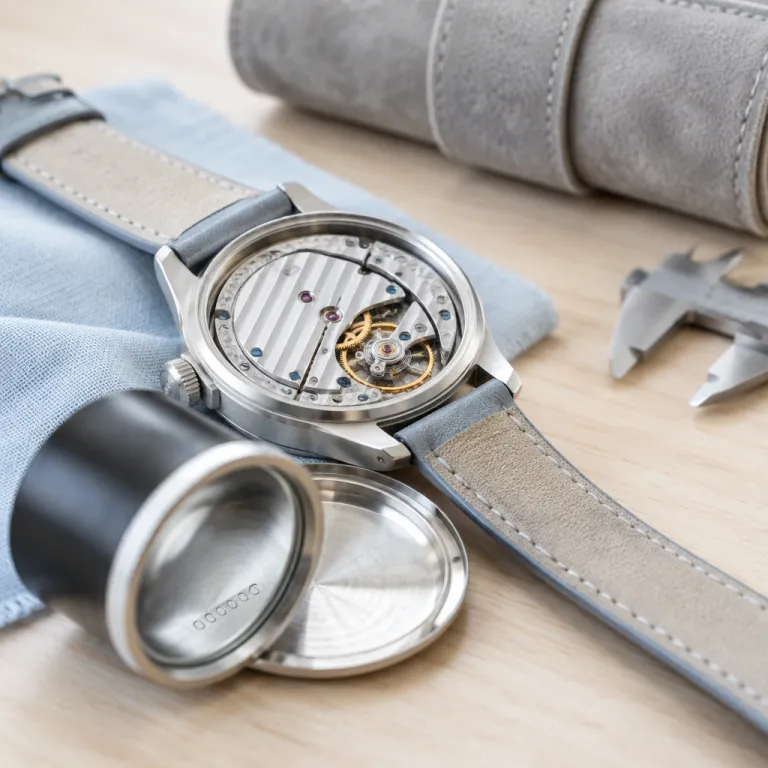
Next, ask for clear photos of the movement and the inner case back, because these areas often reveal whether pre owned watches have been over polished, recased, or fitted with incorrect parts. A serious buyer will also request a legible shot of the serial number and reference number between the lugs or on the case back, then cross check these numbers against production data and known ranges for that model. When a seller refuses to provide such images, or when the numbers appear re engraved, the safest decision is to walk away from the item.
For collectors managing several watches sold or acquired each season, a structured storage strategy supports ongoing authentication and value retention. Using a focused six slot case, such as the type discussed in this guide to a six watch box as an essential vault, helps you track service intervals, paperwork, and provenance for each luxury watch. This disciplined organisation will enable you to present a clear history when you eventually become the seller and will reassure the next buyer about the long term authenticity of your items.
Using platforms, services, and data to reduce authentication risk
Digital tools now allow collectors to bring professional grade watch authentication methods into their own homes. Several specialist databases and reference sites let you input a serial number and compare it with known production years, dial variants, and case configurations, which helps you verify whether a particular watch configuration ever left the factory. When this data aligns with the physical item, confidence in the authenticity of both the watch and its accompanying items increases significantly.
Some marketplaces integrate these tools directly into their app or web interface, so that a buyer can check eligible authenticity criteria while browsing. On eBay, for example, listings that qualify for the eBay Authenticity Guarantee are clearly marked, and the platform explains how the authentication process will work for those items. This transparency encourages cautious buyers and sellers to participate, because they know that a third party facility will inspect watch details and confirm item authenticity before money changes hands.
Professional dealers also rely on independent authentication services when handling high value pre owned pieces, especially when provenance is incomplete. They may send a luxury watch to a brand authorised service centre or to a respected independent workshop, where a multi point inspection and full service history check will enable the piece for a stronger guarantee at resale. As more sellers adopt these practices, the overall quality of watches sold through auctions and online platforms should improve, benefiting every serious buyer and seller in the market.
Strategic bidding, negotiation, and exit planning around authenticity
Authentication is not only a technical exercise; it is also a strategic tool for bidding and negotiation. When you understand the strengths and weaknesses of a watch’s authenticity profile, you can decide whether to bid aggressively, to request a pre sale adjustment, or to pass entirely. A collector who knows how to authenticate a watch thoroughly will often secure better value than someone who focuses only on aesthetics.
During previews, use your time at the viewing facility to inspect watch details in person, even if an online authenticity guarantee already exists. Handle the watch under natural light, examine the case geometry, and listen to the movement, because these sensory checks often reveal issues that photographs and reports miss. If doubts remain, ask whether the item will be eligible for a post sale return or for further evaluation by a third party authenticator before funds are released.
Thinking ahead to resale, you should document every step of the authentication process for your own records. Keep copies of service invoices, third party reports, and any correspondence with sellers, because this paper trail will support a stronger guarantee when you eventually list the watch at auction or on eBay. Over time, a portfolio of well documented, correctly authenticated luxury watches becomes a powerful asset that attracts sophisticated buyers and sellers who value transparency as much as rarity.
Key statistics on watch authentication and auction buying
- A report from the Federation of the Swiss Watch Industry (FH) on counterfeiting and customs seizures noted that authorities intercepted tens of millions of fake watches over a recent multi year period, underscoring why rigorous watch authentication is essential for any serious buyer.
- Market analyses published by major auction houses such as Christie’s and Phillips indicate that watches with clear service history and documented item authenticity can achieve price premiums of around 10 to 25 percent compared with similar items lacking such documentation.
- Data released by large online marketplaces, including eBay’s public reports on its Authenticity Guarantee programme, show that returns and disputes fall significantly, often by more than half, when an independent third party authenticator inspects watch details before shipment.
- Surveys of luxury watch collectors conducted by specialist consultancies like Deloitte and McKinsey reveal that roughly seven out of ten respondents rank authentication and provenance as their top concern when bidding at auction, ahead of price or rarity.
- Industry estimates from consulting studies on the pre owned luxury watch market suggest that pre owned luxury watches now represent a market worth several tens of billions of euros globally, which means that even a small improvement in authentication standards can shift billions in value toward trustworthy buyers and sellers.
FAQ about watch authentication at auction
How reliable are auction house authentication processes for luxury watches ?
Major auction houses employ specialists who perform a structured authentication process, but their assessments are usually limited to visual and functional checks rather than full disassembly. Reliability is generally high for mainstream references, yet rare or heavily restored pieces can still slip through. Serious collectors therefore treat auction reports as a starting point and seek independent third party opinions for important items.
Should I trust online authenticity guarantees when buying pre owned watches ?
Online authenticity guarantees from reputable platforms add a valuable layer of protection, because a third party authenticator will inspect watch components and verify the serial number before delivery. These services significantly reduce the risk of outright counterfeits, especially for buyers who cannot examine the watch in person. However, they do not always cover long term mechanical health, so a post purchase service by a trusted watchmaker remains advisable.
What are the most important details to check for item authenticity ?
The most critical elements include the reference and serial numbers, dial printing, case geometry, movement calibre, and any engravings or hallmarks. Each of these details must match known specifications for that model and production period, otherwise the watch may contain replaced or counterfeit parts. Comparing the item with high quality reference images and brand documentation is essential before committing to a bid.
Can a service history alone guarantee that a watch is authentic ?
A documented service history from a brand authorised centre or respected independent workshop strongly supports authenticity, but it is not an absolute guarantee. Paperwork can be forged or misattributed, and some service centres may not perform full provenance checks on older watches. Collectors should therefore combine service records with their own visual inspection and, when necessary, further expert authentication services.
How does authentication affect the resale value of a luxury watch ?
Watches with clear provenance, detailed service records, and independent authentication reports typically command higher prices and sell faster at auction. Buyers are willing to pay a premium when they feel confident about item authenticity and future serviceability. Building this documentation over time turns each watch into a more liquid and attractive asset for the next buyer or seller.