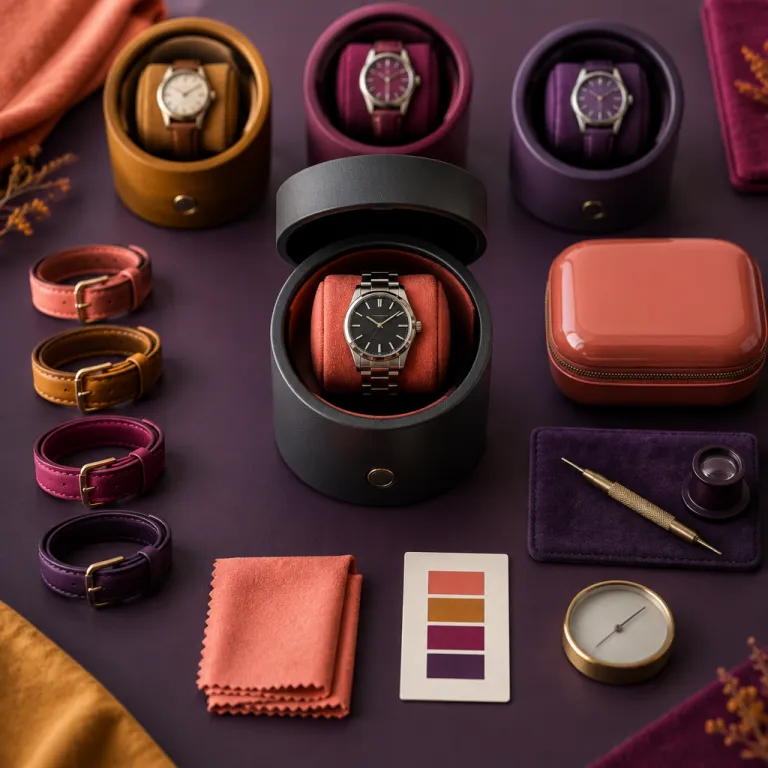

Why an omega watch winder matters for modern collections
An omega watch winder is not a simple gadget; it is a precision tool that protects the integrity of your automatic watch collection. When an automatic omega watch rests unworn for many hours, lubricants inside the movement can migrate away from critical contact points and the watch will eventually stop, which is why controlled winding becomes essential for long term care. Serious collectors of luxury watch timepieces know that a well calibrated automatic winder helps keep complications such as perpetual calendars and GMT functions correctly aligned.
Every automatic watch relies on a rotor that converts wrist motion into energy, and a dedicated watch winder replicates this natural movement with carefully programmed turns per day, often abbreviated as TPD, to maintain the power reserve without excessive wear. For omega watches, especially an omega automatic Seamaster or Speedmaster, the correct winder setting ensures that the mainspring is neither over stressed nor left fully discharged, which can affect accuracy and long term stability. Omega’s own technical sheets and guidance from authorized service centers generally recommend moderate winding regimes rather than continuous motion, so a high quality unit with adjustable winding directions and TPD ranges lets you tailor the program to each steel or ceramic model in your watch box.
Collectors often underestimate how a poorly designed winder can harm automatic watches, because erratic winding or constant rotation may overload the mechanism and shorten service intervals. Choosing a dedicated omega watch winder with a gentle start stop cycle, rest phases, and a reliable motor will keep your watches ready to wear while respecting the engineering of the swiss movements. When you treat each single watch as a mechanical instrument rather than a decorative object, you naturally gravitate toward watch winders that balance convenience, safety, and horological respect.
Key technical criteria when selecting an omega watch winder
Selecting the right watch winder for omega watches starts with understanding TPD ranges and directional control. Independent watchmaker references and publicly available omega calibre charts indicate that many modern omega automatic movements, such as the Co-Axial Master Chronometer 8800 and 8900 families, perform well between roughly 500 and 800 turns per day, and a good winder set will offer fine increments so you can match each reference rather than relying on a generic setting. Directional options such as clockwise, counter clockwise, or bi directional winding let you adapt the unit to both older and modern omega movements that may have different rotor designs.
The physical construction of the winder unit matters as much as the electronics, because a stable cradle and quality leather or soft fabric cushions keep each single watch secure without compressing the bracelet or strap. A well built watch box style winder with a solid exterior, whether in black piano wood or discreet matte finishes, protects your timepieces from dust and light while the interior mechanism quietly maintains the power reserve over many hours. When comparing the unit price of different watch winders, factor in motor longevity, noise levels, and the precision of the winding programs rather than focusing only on the headline price.
Collectors who rotate several automatic watches should consider modular watch winders that can be expanded into a multi unit winder set as their list of timepieces grows. A compact double winder automatic configuration, such as the type reviewed in this test of a quiet automatic watch winder box, offers flexibility for both daily wearers and occasional pieces. Whether you choose a single watch module or a larger array of watch winders, the right omega watch winder will combine precise omega watch winder settings, refined aesthetics, and a unit price that reflects long term value rather than short term savings.
Materials, aesthetics, and storage for omega watch winders
Beyond mechanics, an omega watch winder should complement the visual language of your luxury watch collection and living space. Many collectors prefer a black exterior for its versatility, yet a carefully finished wooden box or a leather wrapped case can elevate the presence of both the winder and the watches inside. The goal is to create a coherent environment where each omega watch, from classic dress pieces to modern omega divers, feels at home.
Interior materials directly affect how well the winder will keep your timepieces protected, because abrasive fabrics or poorly shaped cushions can mark a dark case or stretch a delicate strap. Look for soft, non reactive linings and adjustable holders that adapt to different automatic watches, ensuring that each single watch sits firmly without strain while the winding mechanism operates through its programmed hours. A thoughtfully designed watch box style winder automatic unit also offers space for static storage, allowing you to keep quartz or manual wind watches alongside your automatic watch models.
Attention to detail extends to hinges, glass panels, and lighting, since these elements influence both daily usability and long term durability. Discreet LED illumination can highlight your omega watches without generating heat, while a secure lock on the box protects valuable timepieces when the watch will remain unattended. For collectors who appreciate minimalist design, brands such as Swiss Kubik offer compact watch winders that prioritize clean lines and precise engineering, proving that a small unit can still provide refined performance for a focused list of pieces.
Programming tpd, hours, and power reserve for omega watches
Programming an omega watch winder correctly starts with understanding the specific TPD and directional needs of each calibre. Many modern omega automatic movements, including those with co axial escapements like the 8800, 8900, and 9900 series, are efficient enough that moderate turns per day will maintain the power reserve without constant motion. Omega’s official documentation for individual references, together with guidance from authorized service centers, provides the most reliable indication of suitable winding parameters, and when you align the TPD setting with these sources or trusted watchmaker references, the watch will stay fully wound while still enjoying rest periods that mimic natural wrist wear.
Most quality watch winders allow you to program active and rest hours, so the winding cycle can pause overnight or during times when you prefer silence. This approach reduces unnecessary wear on both the motor and the automatic watch, while ensuring that your luxury watch remains ready to wear with accurate time and date indications. For collectors managing a list of multiple timepieces, labeling each unit with its optimal TPD and direction helps avoid mistakes when rearranging watches in a multi unit winder set.
Understanding the stated power reserve of your omega watches also informs how aggressively you need to program the watch winders, because a model with a long reserve can tolerate longer rest intervals between winding phases. A carefully tuned omega watch winder will keep the mainspring within its ideal operating range, supporting stable amplitude and consistent rate performance over many hours of display or storage. When you combine correct TPD programming with thoughtful placement of each steel or precious metal model in the box, you create a controlled environment that respects both the engineering and the aesthetics of your collection.
Maintenance, servicing, and long term care of watch winders
Owning a high quality omega watch winder does not eliminate the need for regular maintenance of both the winder and the watches it houses. Dust, vibration, and temperature changes can affect the performance of motors and control boards, so periodic inspection of each unit ensures that the winding cycles remain smooth and consistent. Cleaning the exterior leather or wood surfaces of the box with appropriate products also preserves the visual harmony of your storage area.
From a horological perspective, even perfectly programmed watch winders cannot replace scheduled servicing of omega automatic movements, because oils degrade over time regardless of whether the watch will run continuously or rest in a safe. Omega and other swiss manufacturers typically recommend service intervals measured in several years, and many collectors choose to rotate their automatic watches between active wear, time in the watch winder, and periods in a static watch box to balance convenience with mechanical rest. When planning service intervals for a list of timepieces, consider both actual running hours and the years since the last overhaul, rather than relying solely on whether the watch has remained on a winder automatic system.
Maintaining the clamps and cushions that hold each single watch is equally important, since worn or hardened materials can scratch a case or distort a leather strap. Replacing these components before they fail helps keep your omega watches secure during every rotation cycle and protects the long term value of each luxury watch in your collection. For collectors who also enjoy professional dive models, pairing a well maintained winder with informed choices from resources such as this guide to top luxury dive watches for professionals creates a holistic approach to both acquisition and care.
Practical collecting strategies around the omega watch winder
Thoughtful use of an omega watch winder can shape how you build and refine your collection over time. Many enthusiasts designate one or two watch winders for daily wear automatic watches, while keeping less frequently worn pieces in a traditional watch box or safe. This approach ensures that the watches you reach for most often remain fully wound, while others enjoy longer rest periods that may reduce cumulative wear.
When evaluating the unit price of a new winder set, compare it to the cost of servicing an omega automatic movement, because avoiding unnecessary over winding can indirectly extend the interval between overhauls. A reliable unit that offers precise TPD control, gentle start stop motion, and secure mounting for each single watch often represents better value than a cheaper box with limited programming and inconsistent performance. Collectors who favor compact solutions may gravitate toward modular systems such as Swiss Kubik, which allow you to expand from one to several watch winders as your list of timepieces grows.
Integrating tools and accessories into your maintenance routine further enhances the benefits of using watch winders, since strap changes and bracelet adjustments become easier when the watch will remain stable and fully wound. A dedicated tool such as the one reviewed in this essential spring bar watch tool guide helps you manage strap changes without risking damage to lugs or leather. Over time, aligning your purchasing decisions for modern omega models, storage solutions, and maintenance tools around a coherent strategy will keep both your iconic sports watches and more discreet pieces performing and presenting at their best.
Key figures and market insights on watch winders and automatic watches
- According to data from the Federation of the Swiss Watch Industry (FH), mechanical watches, including automatic models, account for the majority of the export value of swiss watches by units shipped, which helps explain why demand for quality watch winders has grown in parallel with mechanical watch ownership.
- Industry reports from specialist consultancies such as Deloitte and Morgan Stanley describe a steady expansion of the global luxury watch market over the last decade; within this broader segment, analysts estimate that premium watch winder sales have increased faster than entry level products as collectors prioritize reliability and aesthetics.
- Service centers for omega watches and other high end brands consistently note that regular maintenance intervals, typically measured in several years rather than specific hours of running time, remain essential even when owners use an omega watch winder to keep their timepieces running between wears.
- Consumer surveys among luxury watch enthusiasts, reported in trade publications and collector forums, indicate that owners who use a dedicated watch box and at least one watch winder are more likely to rotate a larger list of timepieces regularly, which can help distribute wear across the collection instead of concentrating it on a single watch.
| Watch winder model (example) | Typical TPD range | Directional options | Approximate motor noise |
|---|---|---|---|
| Swiss Kubik StartBox Single | 650 TPD (factory preset) | Bi directional | About 35–40 dB, comparable to a quiet room |
| Wolf Cub Single Winder | Up to roughly 900 TPD, programmable | Clockwise, counter clockwise, bi directional | Approximately 40 dB, low hum in normal use |
| Orbita Sparta Bold | Approximately 800 TPD equivalent, intermittent | Primarily bi directional via oscillating motion | Around 38–42 dB, depending on placement |
FAQ about omega watch winders and luxury watch care
How many turns per day should I set on my omega watch winder ?
Most modern omega automatic movements operate safely within a moderate TPD range, so a setting around the manufacturer’s recommended turns per day is ideal rather than using the maximum available. For example, many watchmakers suggest approximately 650 TPD, bi directional, for common omega Co Axial calibres, but always consult official technical documentation or an authorized service center for the specific calibre in your omega watch. When in doubt, choose a conservative TPD and bi directional mode to keep the power reserve without unnecessary stress.
Can a watch winder damage my automatic watches over time ?
A well designed watch winder with accurate programming and rest periods will not harm an automatic watch when used correctly. Problems usually arise from low quality winders that rotate continuously without pause or lack proper support for the single watch, which can strain the movement or scratch the case. Selecting a reputable unit and matching the TPD and direction to your omega watches minimizes risk and supports long term reliability.
Do I need a watch winder if I only own one luxury watch ?
For owners of a single luxury watch that is worn daily, a watch winder is optional rather than essential. However, if your wearing pattern is irregular or your omega automatic includes complex calendar functions, a compact omega watch winder can save time on resetting and help keep lubricants distributed. The decision ultimately depends on your routine, tolerance for manual winding, and preference for always having the watch ready to wear.
Is it better to store my watches in a safe or in a watch winder box ?
High value timepieces benefit from secure storage in a safe, but many collectors combine a safe with a watch winder box placed inside or in a discreet location. This arrangement allows frequently worn automatic watches to remain wound while less used pieces rest in static holders. Balancing security, convenience, and environmental stability is more important than choosing only one storage method.
How should I organize multiple omega watches across several watch winders ?
When managing several watch winders, group omega watches with similar TPD and directional requirements in the same unit to simplify programming. Label each slot with the model name, calibre, and preferred setting so that the watch will always return to the correct position after wear. This structured approach keeps your list of timepieces organized and reduces the chance of using an unsuitable program on a particular movement.