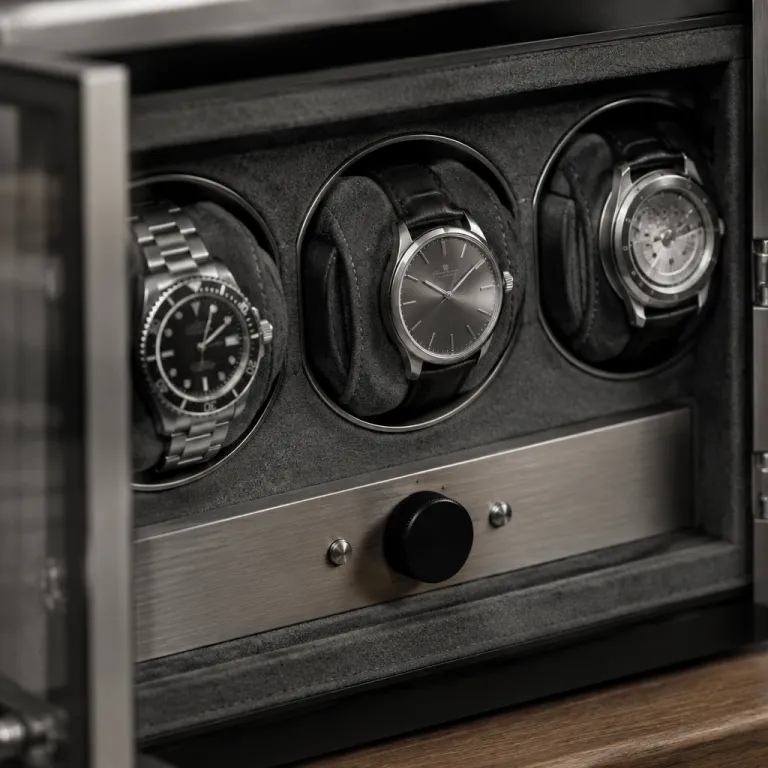

Why multi watch winders matter for serious automatic collections
A serious automatic watch collection quickly outgrows any single watch winder or basic watch box. When several self-winding watches sit idle for weeks, lubricants can migrate or thicken and complications such as perpetual calendars or dual time zones drift off, so multi watch winders become essential maintenance tools rather than decorative gadgets. A well specified unit for multiple watch winding keeps every automatic watch ready to wear while preserving mechanical integrity over years of rotation.
For collectors who rotate between dress watches, sports models and older or neo vintage pieces, a multi watch configuration offers consistent winding without constant manual resetting. Instead of hand winding each watch and correcting the date, moonphase or GMT indication, a properly programmed watch winder simulates natural wrist movement with calibrated turns per day and rest cycles. This reduces crown and stem wear on automatic watches, which is especially important for fragile vintage or neo vintage references where tube replacements and case work can be costly and invasive.
Multi watch winders also centralize storage, combining protection, display and organization in a single product rather than scattered single units. A collector can group watches by brand, complication type or usage pattern inside one masterbox style case, which simplifies insurance documentation and inventory checks. When the automatic winding system is correctly configured, each watch receives tailored care while sharing the same compact storage footprint in your safe or cabinet.
How to size the right unit and storage layout for your watches
Selecting the correct unit for multi watch winders starts with an honest count of current watches and realistic future growth. Many collectors underestimate how quickly a five piece assortment becomes a ten piece collection, so choosing a winder capacity that accommodates at least two or three extra watches is prudent. A flexible multiple watch layout with removable cushions and adjustable holders allows both small dress pieces and larger sports watches to sit securely without strain on bracelets or straps.
Interior materials matter as much as exterior aesthetics when planning long term storage for automatic watches. High quality leather or soft fabric lined slots prevent micro scratches on polished lugs, while well finished wood or carbon fiber structures resist warping inside a safe with fluctuating humidity. When evaluating any watch winder product, check that each compartment offers enough clearance so the rotating watch does not graze the glass, frame or adjacent watches during winding cycles.
Collectors aiming for museum level care should think of multi watch winders as part of a broader storage ecosystem rather than isolated gadgets. A secure cabinet or safe can host a masterbox style winder alongside static trays, travel rolls and a separate black leather document folder for certificates and service papers. For deeper guidance on archival level storage strategies, many enthusiasts refer to specialist resources on how to store watches with museum level care for your collection, which complement the practical role of the automatic winding system.
Movement technology, japanese motors and the importance of quiet performance
The heart of any reliable watch winder is its motor technology, and multi watch winders place even greater stress on these components. High quality japanese motors, such as Mabuchi or Nidec units, are widely used because they deliver stable torque, long service life and low vibration, which are crucial when several automatic watches rotate simultaneously. When a collector places the unit in a bedroom or office, the value of ultra quiet operation becomes immediately obvious during long night cycles.
Quiet japanese motor systems reduce resonance through careful gearing, damping materials and optimized rotation speeds, so the winder’s quiet performance does not disturb sleep or concentration. A low noise design also protects the watches themselves, because excessive vibration or jerky motion can stress rotor bearings and mounting screws over time. For this reason, many connoisseurs prioritize watch winders that have been independently tested for noise levels and feature refined drive trains rather than generic mechanisms.
When comparing options, look for multi watch units that combine japanese motors with programmable winding modes and, ideally, a built in LED status indicator for each rotating head. This allows you to confirm at a glance that every automatic watch is following its correct cycle without opening the box repeatedly. For collectors who want to go deeper into motor technologies and acoustic performance, curated lists of top quiet motor watch winders and owner reviews provide useful benchmarks and real world feedback from other enthusiasts.
Materials, finishes and design choices that respect high end brands
The exterior of multi watch winders should complement the aesthetic language of the watches inside, especially when housing pieces from prestigious brands such as Rolex, Patek Philippe or Audemars Piguet. A black piano lacquer wood case pairs elegantly with dress watches, while a carbon fiber veneer or brushed metal finish echoes the spirit of modern sports chronographs. Collectors often choose a black leather wrapped box when they want a discreet, understated presence that blends into a study or dressing room.
Interior design deserves equal scrutiny, because poor materials can undermine the very automatic watches you are trying to protect. Soft leather cushions that adapt to both small wrists and larger bracelets prevent deformation of straps, while carefully finished wood dividers avoid sharp edges that could mark polished cases. When a masterbox style layout is combined with carbon fiber accents and a subtle built in LED strip, the result is a refined stage that honors the craftsmanship of each automatic watch rather than competing with it.
Some high end units, such as a masterbox dark themed winder, use smoked glass and dark interiors to reduce light exposure while still allowing a view of the watches. This approach suits collectors who keep the unit in a bright room but want to limit UV impact on dials, lume and leather straps over many years. One long time collector of neo vintage chronographs notes that a dark interior “keeps the focus on the watch, not the furniture.” Whether you choose black, natural wood or carbon finishes, ensure that the product construction feels solid, the hinges operate smoothly and the overall box design reflects the same attention to detail you expect from your favorite brands.
Programming, watch winding settings and caring for complex complications
Programming multi watch winders correctly is where many collectors either unlock full value or unintentionally stress their watches. Each automatic watch has an optimal range of turns per day and a preferred direction of rotation, so using a generic setting for all watches can be suboptimal. High quality watch winders allow per unit customization, letting you assign different winding profiles to a double watch module, a small dress piece or a robust diver.
Complicated automatic watches, especially perpetual calendars and annual calendars, benefit greatly from stable winding routines that prevent long periods of inactivity. Resetting these complications manually is time consuming and increases wear on pushers, correctors and crowns, particularly on older or neo vintage movements. Collectors who follow the evolution of “neo vintage is the new vintage” references quietly appreciating often rely on multi watch winders to keep these sensitive calibres running smoothly without constant handling.
When configuring a multiple watch system, alternate active and rest periods so the rotor and mainspring experience a natural rhythm rather than continuous motion. Some advanced units allow you to program separate time blocks, such as daytime rotation and nighttime pause, which can align with your own wearing habits. Always consult the manufacturer data for each watch, and when in doubt, choose conservative settings that maintain power reserve without pushing the automatic mechanism to its limits.
Evaluating price, value and long term reliability in multi watch winders
Assessing the price of multi watch winders requires looking beyond the initial figure and considering long term reliability, serviceability and protection value. A well engineered unit with japanese motors, robust gearing and quality materials may cost more upfront, but it can safeguard several high value watches for many years. When the combined price of the watches inside far exceeds the cost of the winder, investing in a dependable product becomes a rational form of risk management.
Reliability indicators include solid hinges, precise panel alignment, consistent finish on wood or carbon fiber surfaces and a stable power supply that does not overheat. An ultra quiet operation rating suggests careful engineering, because noise often correlates with friction and premature wear in cheaper mechanisms. Look for brands that offer clear warranties, accessible after sales service and replacement parts, especially for complex masterbox dark or double watch modules that may need attention after extended use.
Practical details such as secure packaging, predictable delivery times and clear documentation also contribute to overall value, particularly when ordering a large unit internationally. A thoughtfully designed black leather handle, well padded interior and modular storage trays make daily interaction with the box a pleasure rather than a chore. When all these elements align, multi watch winders become quiet guardians of your collection, justifying their place alongside safes, humidity control systems and professional servicing in a comprehensive care strategy.
Key figures and market insights on multi watch winders
- According to data from the Federation of the Swiss Watch Industry (FH), exports of mechanical watches exceeded 15 million pieces in 2022, which suggests growing demand for multi watch winders as more collectors own several automatic watches simultaneously. Readers should consult the latest FH statistical yearbook for updated figures.
- Community polls on major watch forums such as Watchuseek and Rolex Forums indicate that many collectors with larger assortments own at least one multi watch winder, although exact percentages vary by survey and sample size and should be treated as indicative rather than definitive statistics.
- Noise measurements published by several specialist review platforms and manufacturers show that high quality quiet japanese motor winders are often specified in the 20–30 dB range, roughly comparable to a quiet library, but actual performance depends on the specific model, distance and test method used.
- Market analyses from luxury retail consultants and brands like Wolf and Buben & Zörweg note that premium watch winder products in higher price brackets frequently use carbon fiber, solid wood or black leather exteriors, reflecting a shift toward furniture grade design rather than purely functional devices.
- Service center commentary from major brands often mentions improper manual setting and frequent crown manipulation as contributors to wear, which supports the role of correctly programmed multi watch winders in reducing unnecessary handling of complex automatic watches.
FAQ about multi watch winders for luxury collections
How many watches should a serious collector place in one multi watch winder ?
Most serious collectors benefit from a multi watch winder that holds at least two thirds of their automatic watches, leaving some pieces in static storage. This balance keeps frequently worn watches ready while limiting the size and weight of the unit. Planning for a few extra slots helps accommodate future acquisitions without immediate upgrades.
Can multi watch winders damage automatic movements if used incorrectly ?
Damage is unlikely when a watch winder is properly programmed and uses smooth japanese motors, but overly aggressive settings can accelerate wear. Excessive turns per day or continuous rotation without rest periods may stress rotor bearings and winding components. Always match the winding profile to the manufacturer recommendations for each automatic watch.
Is it better to keep all automatic watches constantly running or let some stop ?
There is no universal rule, but many watchmakers suggest prioritizing complications and frequently worn pieces for continuous running. Simple three hand watches can safely rest in a watch box or safe, while perpetual calendars and dual time watches benefit from stable motion. A flexible multi watch winder allows you to choose which watches stay active at any given time.
What materials are most suitable for the exterior and interior of a winder ?
For exteriors, high quality wood, carbon fiber or black leather offer durability and visual harmony with luxury watches. Interiors should use soft leather or fabric lined cushions that adapt to different case sizes without stressing straps or bracelets. Avoid rough plastics or poorly finished surfaces that could scratch polished cases or sapphire crystals.
How should I position a multi watch winder within my home or safe ?
Place the unit on a stable, level surface away from direct sunlight, strong magnets and excessive humidity. Inside a safe, ensure adequate ventilation so the motor and built in LED components do not overheat during long cycles. Many collectors route power through a safe grommet and periodically check that the winder’s quiet operation remains consistent over time.