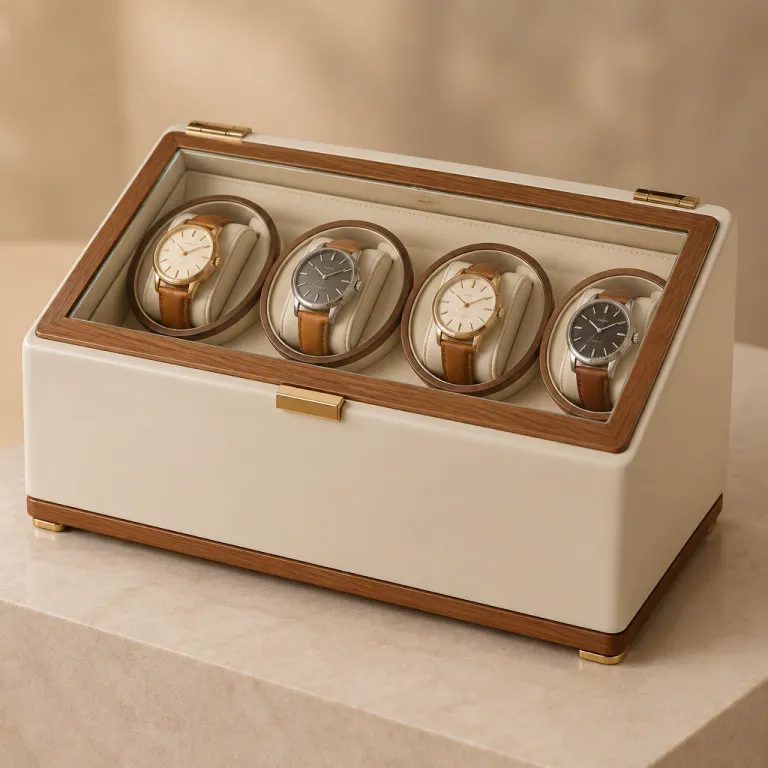

Why a multiple watch winder matters for a serious collection
A multiple watch winder is not a novelty gadget; it is a precision maintenance tool for automatic watches. When you own more than one self-winding watch, especially complicated pieces with perpetual calendars, annual calendars, or dual time zones, a well specified winder preserves settings, lubricants, and long term reliability. The right watch winder also becomes part of your storage strategy, integrating with watch cases, safes, and display furniture so that your core rotation is always ready to wear.
Collectors often start with a single unit and quickly realise that a dual or quad watch winder is more coherent for a growing collection. A dedicated winder box with several individual winding modules lets you keep a rotation of automatic watches ready to wear while others rest in a separate box or safe. This is where a multiple watch winder with modular heads and flexible storage options becomes a core piece of equipment rather than a decorative accessory or impulse purchase.
Think of each winding position as a controlled environment for one automatic watch, with a quiet motor, calibrated turns per day, and a secure case or cuff. When you scale to a four-watch or larger multi-watch configuration, the quality of each programmable module and the overall storage layout both matter. Poorly engineered watch winders can place unnecessary stress on movements, while a well reviewed winder with a low noise profile and stable power delivery helps maintain service intervals and protect long term value by keeping watches running within their designed parameters.
How to size your multiple watch winder to your collection
Before comparing any watch winders, audit your current watches and the way you wear them. Separate quartz pieces from automatic watches, then list which automatic models you rotate weekly, which are seasonal, and which are long term holds in storage. This simple exercise tells you how many winding positions your multiple watch winder really needs today and where you may need headroom for future acquisitions.
For most enthusiasts, a double watch winder is quickly outgrown once the collection passes six or seven watches. A more scalable approach is to choose a multi-watch cabinet or winder box that starts with a four-watch capacity and accepts extra winding modules later. For deeper guidance on how to combine an automatic winder with passive storage, study this detailed guide on museum level watch storage for a collection, then map those principles to your own safe or display case so that active and passive storage work together.
Pay attention to the balance between active and passive storage, because not every watch must live on a winder. High complication automatic watches with calendar or moon phase indications benefit most from a programmable watch winder, while simpler three hand pieces can rest in watch cases or a carbon fiber box. Aim for a multiple watch winder that covers your most time consuming settings, then complement it with a separate storage case for the rest of the collection and adjust the mix as your habits evolve.
Technical criteria that define a high quality multiple watch winder
Once you know the capacity you need, evaluate each watch winder as you would a movement, with attention to engineering details. The quiet motor is the heart of any automatic winding system, and its torque, noise level, and durability directly affect your experience in a bedroom or office. A truly quiet winder lets you place several units in a shared room without audible distraction during the night or during focused work.
Look for programmable direction and turns per day, because different automatic watches from brands like Rolex, Patek Philippe, or Omega have specific winding requirements. A flexible winding module should handle clockwise, counter clockwise, and bi directional modes, with a wide range of turns per day to suit both simple calibres and high complication movements. Modern automatic watches use slipping clutches on the mainspring, so true mechanical “overwinding” is unlikely, but excessive, continuous motion can still increase wear; when you evaluate a product sheet, treat the technical rating of the motor and control system as seriously as you would the specifications of a chronometer certified watch.
Build quality of the case and box also matters, especially in a black lacquer finish or carbon fiber shell that will sit in a visible space. Hinges, locks, and the internal watch cushions or cuffs must hold each automatic watch securely without compressing straps or bracelets. For collectors who perform their own strap changes or light maintenance, pairing a robust multiple watch winder with proper tools and techniques such as those described in this guide to using a case knife for watch maintenance creates a complete care ecosystem that extends from storage to basic servicing.
| Brand / calibre | Approx. TPD range | Direction |
|---|---|---|
| Rolex 32xx series | 650–800 | Bi-directional |
| Omega 8800 / 8900 | 650–800 | Bi-directional |
| Patek Philippe 324 | 600–800 | Uni- or bi-directional (varies by reference) |
| ETA 2824-2 | 650–900 | Bi-directional |
| Sellita SW200 | 650–900 | Bi-directional |
*Figures are indicative only and compiled from manufacturer technical sheets and independent watchmaker references. Always confirm exact turns-per-day and direction with the watch manufacturer or a qualified watchmaker for your specific reference.
Materials, aesthetics, and lighting in a multiple watch winder
A multiple watch winder is both a technical device and a piece of furniture, so its materials and design should respect the watches it protects. Many collectors favour a black exterior with a high gloss lacquer or a matte carbon fiber veneer that echoes modern sports watches. Others prefer a leather wrapped case or a wooden box that matches existing storage furniture and safes, turning the winder into a discreet part of the room rather than a focal point.
Carbon fiber finishes are not only aesthetic choices, because a rigid composite shell can improve vibration control for the quiet motor inside. When several winding modules operate together in a four-watch tower or horizontal multi-watch cabinet, structural rigidity reduces resonance and helps keep the system quiet. Interior materials also matter, with soft linings that protect polished cases and bracelets from micro scratches during handling and from repeated insertion and removal.
Lighting is another design element that affects both pleasure and practicality, especially when you use a winder box as a display. A subtle LED light strip inside the case can highlight the dial work and finishing of each automatic watch without exposing it to harsh heat. Choose a multiple watch winder with adjustable LED lighting, so you can dim the illumination for night use while still enjoying a discreet view of your collection and quickly identifying which watch is on each winding head.
Price, brands, and how to judge value in watch winders
Evaluating the price of a multiple watch winder requires the same discipline you apply to buying a watch. Entry level winders may tempt with a low price and free delivery, but their motors, control logic, and build quality often fall short for serious automatic watches. At the other end, premium brands such as Wolf and Orbita charge more for each winding position, yet they offer proven quiet motor technology and long term reliability that has been documented by independent reviewers.
When comparing watch winders, calculate the effective price per winding module, including any taxes and delivery costs. Some retailers offer free delivery on larger storage cabinets, which can make a higher ticket product more competitive than several smaller boxes. Pay attention to the rating of each model from experienced collectors, not just generic online reviews, because noise, durability, and after sales support only reveal themselves over time and through long term ownership reports.
Brand heritage also plays a role, as companies like Wolf and Orbita specialise in winders and have refined their quiet motor systems over many generations of products. A well engineered automatic winding cabinet with a robust case, secure box construction, and reliable electronics will protect watches worth far more than the winder itself. For a deeper perspective on how list price and real value can diverge in the watch world, study this analysis of what list prices and market moves teach collectors and apply the same critical eye to winder pricing, measured noise levels, and warranty terms.
| Example category | Approx. price per module | Typical measured noise | Programmable features |
|---|---|---|---|
| Entry-level multi-watch box | Low | 40–50 dB (audible hum) | Basic TPD presets, limited direction control |
| Mid-range cabinet | Medium | 30–40 dB (quiet room level) | Adjustable TPD, multiple rotation directions, rest cycles |
| Premium brand system | Higher | Below 30 dB (very quiet room) | Fine TPD increments, per-head programming, advanced sleep modes |
*Noise figures and feature sets are indicative aggregates from independent test data and manufacturer specifications. Always consult current measurements and documentation for the specific model you are considering.
Daily use, placement, and long term maintenance of your multiple watch winder
Owning a multiple watch winder is only the first step, because daily habits determine how well it serves your collection. Place the winder box on a stable surface away from direct sunlight, strong magnets, and vibration sources such as loud speakers or heavy doors. A quiet corner of a dressing room or office often works better than a bedside table, even with a low noise motor, especially if you are sensitive to intermittent cycling sounds.
Set each winding module according to the specific needs of the automatic watch it holds, using manufacturer data or trusted watchmaker advice. Many high quality watch winders include reference charts for common calibres, but you should still verify turns per day and direction for rare or independent pieces. Rotate which watches live on the winder and which rest in passive storage, so leather straps can breathe and oils can settle naturally without the movement running continuously.
Clean the exterior case and interior storage surfaces regularly with appropriate cloths, and inspect the LED light, power supply, and hinges for wear. If your multiple watch winder uses a carbon or carbon fiber shell, avoid aggressive chemicals that could dull the finish over time. Treat the winder as you treat the watches themselves, because this product is now a central part of your collection management and long term preservation strategy, and small maintenance routines will extend its service life.
Key statistics and market figures for multiple watch winders
- Industry discussions on leading watch forums suggest that a significant share of collectors who own over ten watches also own at least one multiple watch winder, indicating how quickly single unit solutions become insufficient for serious collections. Exact percentages vary by survey and region, so treat any specific figure as indicative rather than definitive and focus on the clear directional trend.
- Noise measurements published by specialist reviewers commonly show that premium quiet motor systems in brands such as Wolf and Orbita can operate at levels comparable to a very quiet room, while low cost winders may be closer to a noticeable background hum. Always consult independent measurements for the specific model you are considering, ideally taken at a standard distance with a calibrated meter.
- Market analyses of luxury accessories regularly report that the global watch winder segment has expanded in recent years, driven by the rising number of automatic watches sold and the growth of high net worth collector bases in Asia and North America. Reported compound annual growth rates differ between research firms, so focus on the overall upward trend rather than a single quoted percentage or forecast.
- Independent tests on automatic watch winding requirements show that many modern calibres remain fully wound within a moderate turns-per-day band, which is why most quality watch winders offer programmable ranges from roughly a few hundred up to around 1 200 turns per day to cover both vintage and contemporary movements. Always cross check the recommended setting for your specific calibre against manufacturer data or a trusted technical reference.
- Insurance and storage studies often note that keeping watches in dedicated storage such as safes, watch cases, or a robust winder box can reduce accidental damage claims, underlining the protective role of structured storage beyond simple convenience. Exact reductions depend on policy terms and user behaviour, so treat these findings as general guidance rather than guaranteed outcomes or premium discounts.
FAQ about multiple watch winders for luxury collections
Do all automatic watches need to be kept on a multiple watch winder ?
No, not every automatic watch must live on a winder, and many collectors reserve their multiple watch winder for pieces with complex calendars, moon phases, or travel time functions that are tedious to reset. Simpler three hand automatic watches can safely rest in watch cases or a standard box for days or weeks without harm. The key is to prioritise the watches whose settings you most value keeping ready and to avoid running movements unnecessarily.
Can a watch winder damage my movement if it is used incorrectly ?
A poorly designed or badly configured watch winder can overwork or stress a movement, especially if it runs continuously with excessive turns per day and no rest cycles. Modern automatic watches use slipping clutches to prevent literal overwinding of the mainspring, but constant motion still adds wear to bearings and winding components. To avoid this, choose a product with programmable settings and follow manufacturer recommendations for each calibre; when in doubt, consult a trusted watchmaker to confirm the correct direction and winding range.
How quiet should a multiple watch winder be for bedroom use ?
For bedroom placement, a quiet motor should operate at a level where it is barely audible beyond one metre, ideally blending into the ambient noise of the room. Premium brands such as Wolf and Orbita design their winders to cycle intermittently, which further reduces perceived sound during sleep. If you are sensitive to noise, test the winder in the intended room before committing to permanent placement and compare its measured decibel rating with your own comfort threshold.
Is a carbon fiber or winder black finish only an aesthetic choice ?
While many collectors choose a black or carbon fiber finish for its visual harmony with sports watches, the material can also influence rigidity and vibration control. A stiff carbon composite shell helps stabilise multiple winding modules operating simultaneously and can contribute to lower resonance. That said, internal engineering, motor isolation, and quality of the mounting system remain more important than exterior material alone when it comes to protecting your automatic watches.
How should I balance active winder storage and passive storage in a safe ?
A practical approach is to keep frequently worn automatic watches on the multiple watch winder and store less used pieces in watch cases or a safe. This balance reduces wear on winder components while keeping your core rotation ready to wear at any moment. Reassess the mix whenever your collection changes, so the winder always serves your current habits rather than past ones and your safe or cabinet remains organised.