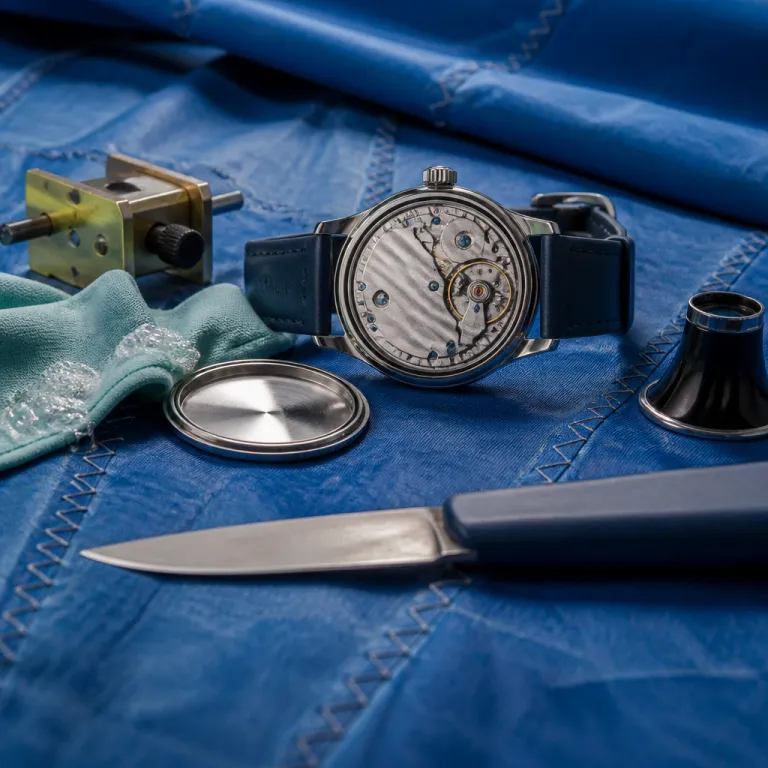
Why every serious collector needs a refined case knife for watch care
A dedicated case knife for watch maintenance is as essential as a timing machine or a proper case holder. When you handle a complicated watch with a solid gold or platinum watch case, the right tool protects both the movement and the financial investment behind it. A precise blade and a stable grip turn a risky opening into a controlled, almost ceremonial operation that preserves sharp edges and factory brushing.
Collectors often underestimate how much damage a generic pocket knife or utility blade can cause to delicate case backs. A proper opening tool is engineered so the thin, tapered edge slides under snap backs without gouging the metal or slipping toward the lugs. This is where a specialized case opener meets high expectations, especially when you work on vintage cases that have already seen decades of polishing and may have softened lines.
When you evaluate any product marketed as a case knife, look beyond the marketing content and focus on geometry, finish, and ergonomics. The best tools use hardened stainless steel with a blade that tapers gradually, allowing the prying motion to be progressive rather than abrupt. A well made knife watch opener becomes an extension of your hand, giving you the confidence to service your own collection when a full refresh of gaskets or a quick inspection is needed, while keeping cosmetic risk under control.
Choosing the right opening tool for luxury watch cases
Selecting a case knife for watch work starts with understanding your cases and their construction. Dress pieces with thin snap backs require a finer, more delicate profile than robust dive watches with thicker case backs and deeper notches. If you own both styles, you will likely need at least two tools to cover the range safely and avoid forcing a blade that is too thick or too flexible.
Inspect the stainless steel quality of any knife tool before you bring it near a high value watch case. Softer alloys deform quickly, which makes the blade slip and scar the case or bar between lugs during opening. A premium opening tool with a rigid spine, comfortable handle, and polished bevel lets the knife opener slide into the tiny notch of the case backs with minimal force and better tactile feedback.
Price should be evaluated in relation to the watches you service, not in isolation. When a single scratch on a Patek Philippe or A. Lange & Söhne case can erase several hundred euro of resale value, paying the regular price for a professional case opener is rational. Pairing that opener knife with a quality automatic double watch winder box or similar storage solution ensures your movements stay wound while you minimize unnecessary opening cycles and repeated stress on snap backs.
Mastering safe opening techniques with a case knife for watch backs
Technique matters as much as the tool when you use a case knife for watch servicing. Always secure the watch case on a soft but firm surface, ideally a bench mat with a non slip texture. This stabilizes the watch and keeps the lugs and bar ends from twisting while you apply pressure with the knife, reducing the chance of sudden slips.
Position the sharpened edge of the knife tool into the designated notch of the case backs, never improvising a new entry point. Apply gentle downward pressure while rotating the opening tool slightly, letting the geometry of the blade do the work rather than brute force. When executed correctly, snap backs release with a clean click, and the controlled opening action leaves no visible mark on the metal or deformation of the sealing lip.
Collectors who maintain several watches often keep multiple tools with different blade shapes for specific cases. A thinner knife opener suits ultra slim dress pieces, while a broader opener knife works better on sports models with more robust backs. For those who rotate between complicated calendar watches and everyday pieces, a dedicated dual automatic watch winder display box or similar winder setup reduces the need for frequent opening, preserving both gaskets and case edges while keeping complications running.
Evaluating price, value, and customer reviews for professional case knives
When you compare any case knife for watch maintenance, focus on long term value rather than headline price. A professional grade knife watch opener may show a higher regular price, but it often replaces several cheaper tools that fail under real use. Over time, the avoided refinishing work on your watch case more than offsets the initial outlay, especially when you factor in the cost of professional polishing.
Customer reviews from experienced collectors and watchmakers are invaluable when assessing an opening tool. Look for detailed reviews that mention how the tapered edge behaves on different cases, including vintage snap backs and modern screw down designs. Pay attention when reviewers describe whether the stainless steel meets high expectations for hardness and corrosion resistance, especially if they use the tool in a professional shop environment with frequent daily openings.
Many specialist retailers clearly separate their best sellers in the case opener category, often highlighting which product is suited to high end Swiss watches. When a case knife appears repeatedly in positive customer reviews, especially from those servicing Patek Philippe, Rolex, or Audemars Piguet, that pattern carries weight. If a tool is offered at a temporary price sale in EUR, consider it a bonus rather than the main reason to choose it for your own cases, and verify that the specification matches the claims in manufacturer or service-centre documentation.
Integrating a case knife into a complete luxury watch maintenance routine
A case knife for watch work is only one element of a serious maintenance strategy. Collectors who treat their watches as long term assets build a toolkit that includes screwdrivers, tweezers, loupe, dust blower, and specialized opening tools. The case opener sits at the heart of this set, because every inspection or gasket change begins with safe access to the movement and careful closing afterward.
For high horology pieces, limit how often you use the knife tool by planning interventions carefully. Combine tasks such as gasket replacement, dust inspection, and rotor check into a single opening session, then close the case backs with fresh seals to restore water resistance. Between these sessions, a quality winder and controlled storage environment reduce the need for frequent opening, which protects both the watch case and the integrity of the snap backs in line with guidance from major Swiss service centres.
When you browse any online shop for tools, avoid the temptation to skip content that explains proper technique. Detailed content about how to position the opener knife, how to support the lugs, and how to manage pressure will help you avoid costly mistakes. Pair this knowledge with curated guides to top luxury dress watches so your collecting strategy and maintenance skills evolve together and remain consistent with brand recommendations.
Advanced tips for collectors: from full refresh to display ready condition
Serious enthusiasts eventually move from basic battery changes to a full refresh approach for their collection. This means planning periodic interventions where each watch receives a thorough inspection, gasket renewal, and cleaning of the watch case and bracelet. A reliable case knife for watch servicing becomes the gateway to this deeper level of care and allows you to control when and how each piece is opened.
Before any opening, inspect the case backs under magnification to locate the precise notch or lip. Insert the tapered edge of your knife opener exactly at that point, keeping the tool parallel to the case to avoid twisting. If resistance feels excessive, stop and reassess rather than forcing the blade, because stubborn snap backs often indicate dried gaskets or previous deformation that may require professional attention.
Once the movement work is complete, clean the case and backs carefully so the display of the watch remains pristine when returned to the box. Many collectors maintain a dedicated bar style storage area where best sellers of their collection sit under glass, ready to wear at a moment’s notice. In that context, the quality of your opening tool and knife watch technique directly influences how fresh and unmarked those cases will look over decades, especially when combined with careful handling and periodic professional servicing.
Buying guide: where to shop and what to check before you pay
When you shop for a case knife for watch maintenance, prioritize specialist retailers over generic marketplaces. Dedicated watch tool suppliers curate products that meet high standards for finish and dimensional accuracy. They also tend to provide richer content about each opening tool, including close up photos of the blade and handle and, in some cases, references to watchmaking institutions or training programs.
Check whether the stainless steel specification is clearly stated, and whether the cutting edge is hand finished or machine ground. Hand finished tools often show smoother transitions that let the knife tool slide under case backs with less risk of scratching. If the product page lists both regular price and a temporary price sale in EUR, focus first on build quality and suitability for your watches, then treat any discount as secondary.
Reputable shops usually highlight customer reviews and may even label certain case opener models as star performers within their catalog. When you see consistent praise for an opener knife across different types of cases, that is a strong indicator of reliability. For collectors managing a large number of watches, investing in two or three complementary tools ensures that every watch case, from ultra thin dress piece to robust diver, can be opened and closed safely without compromising value or deviating from brand service recommendations.
Key figures and statistics about watch maintenance and tools
- According to estimates based on reports from major Swiss service centers and independent workshops, improper opening of watch cases accounts for more than 20% of cosmetic damage reported during routine maintenance, which underlines the importance of using a dedicated case knife instead of improvised tools. Readers can cross-check this type of guidance against official service documentation from brands such as Rolex or Omega.
- Industry surveys of independent watchmakers, including data summarized by the Fondation de la Haute Horlogerie (FHH), indicate that professional grade stainless steel opening tools can remain serviceable for over 5,000 case openings when used correctly, significantly reducing long term tool replacement costs for active collectors.
- Market analyses from specialist retailers and trade publications such as Europa Star suggest that sales of premium case opener tools have grown by roughly 15% over the last five years, reflecting a rising interest among enthusiasts in performing basic maintenance at home with appropriate equipment.
- Resale data from auction houses, including aggregated figures published by Phillips and Christie’s in their annual reports, suggest that visible case back scratches can reduce the hammer price of a high end watch by 5 to 10%, which makes careful use of a quality opener knife financially relevant for long term collectors concerned with future auction results.
FAQ about using a case knife for watch maintenance
Can I use a regular household knife instead of a case knife ?
Using a household knife on a watch case is strongly discouraged because the blade geometry and hardness are not designed for precise case backs. Such knives often slip, causing deep scratches or even chipping the case edge. A dedicated case knife uses a controlled, tapered profile and hardened stainless steel that allow safe, predictable opening when combined with proper support of the watch.
How often should I open my watch case at home ?
For luxury mechanical watches, limit home opening to occasional gasket checks or visual inspections between professional services. Excessive use of any opening tool increases wear on snap backs and seals, which can compromise water resistance. When in doubt, leave complex interventions to an authorized service center and use your case knife sparingly, following the intervals suggested in the brand’s service booklet.
What type of case knife is best for vintage watches ?
Vintage watches usually benefit from a thin, finely tapered case opener that can slide under delicate, sometimes distorted case backs. Look for a knife tool with a narrow tip, polished edges, and excellent stainless steel hardness to avoid flexing. Many watchmakers keep a separate opener knife reserved exclusively for vintage cases to preserve their patina and avoid transferring burrs from modern, harder cases.
Do I need different tools for snap back and screw down cases ?
Yes, snap backs and screw down cases require different tools because their opening mechanisms differ fundamentally. A case knife for watch work is ideal for snap backs, where you pry the case open at a notch, while screw down backs need a dedicated case opener wrench that engages the grooves. Using the wrong tool risks both cosmetic damage and deformation of the sealing surfaces, which can lead to moisture ingress.
How can I avoid scratching the watch when learning to use a case knife ?
Practice first on inexpensive watches to develop control over the opening motion and pressure. Always stabilize the watch case on a soft mat, align the tapered edge with the correct notch, and apply gradual force rather than sudden prying. Over time, this disciplined technique will help you maintain your higher value pieces without leaving marks on the cases or backs, and you can refine your approach by comparing it with diagrams or photos in professional training material.