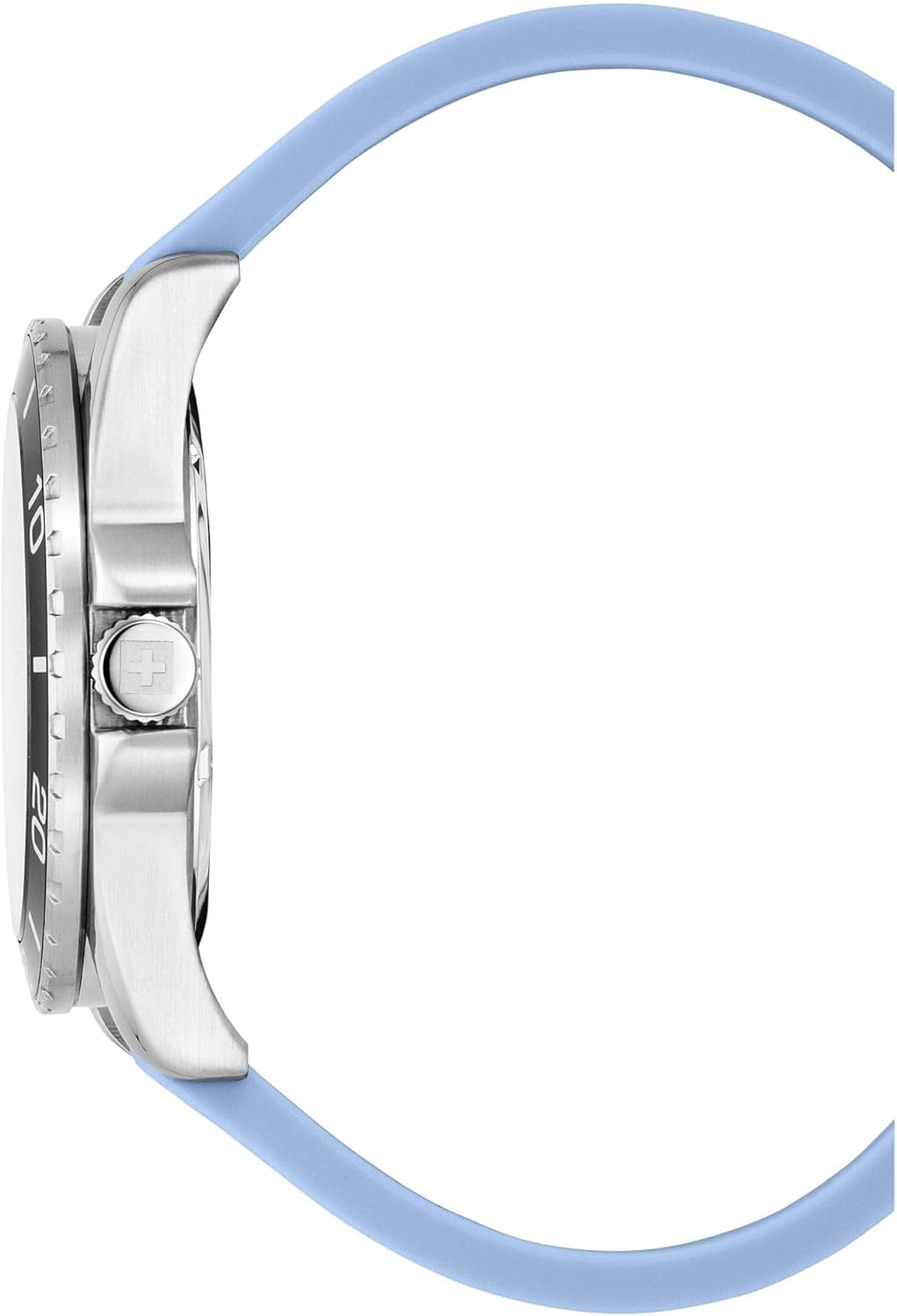
Investment logic behind luxury Swiss quartz pieces
When you assess the investment potential of the best Swiss quartz watches, you must think like a long term custodian rather than a short term trader. Value in a quartz watch comes from design pedigree, brand strength, and condition, not from the complexity of the quartz movement hidden inside the case. A well preserved Swiss quartz piece in stainless steel or yellow gold, with original dial and bracelet, will always be easier to resell than a tired example with heavy polishing and service parts.
Documentation plays a crucial role in the investment profile of these watches. Full provenance, including box and papers, often justifies a meaningful premium in price when you eventually sell, especially for models such as a Cartier Tank or a TAG Heuer sports quartz. For a deeper perspective on how provenance affects resale value, many collectors study detailed analyses of whether box and papers really matter before committing significant capital.
Condition grading for quartz watches mirrors that of mechanical watches, but with a few extra checks. You should inspect the stainless steel case for corrosion around the battery hatch, verify that the black dial or silver dial has not suffered moisture damage, and confirm that the quartz movement shows no signs of leakage from an old cell. A clean service history, ideally from the brand or a respected independent, reassures future buyers that the watch has been maintained with the same care as a high end mechanical piece.
Flagship models among the top Swiss quartz watches
Certain references consistently appear in discussions about the best Swiss quartz watches because they combine iconic design with robust quartz movements. The Longines Mini DolceVita, often called the Longines Mini by enthusiasts, offers a compact rectangular case in stainless steel, steel and rose gold, or full yellow gold that flatters many wrists. Its quartz movement keeps precise time while the elegant dial layout, sometimes with a black dial and sometimes with a light tone, evokes classic cocktail watches.
TAG Heuer has long championed the sporty side of Swiss quartz with its Aquaracer and Formula 1 lines. A modern TAG Heuer quartz watch in stainless steel, with a 40 millimetre case size and a crisp black dial, delivers everyday robustness that mechanical chronographs at similar price points sometimes struggle to match. Collectors who appreciate the brand’s heritage often pair these contemporary quartz watches with vintage Heuer mechanical pieces, building a coherent narrative around motorsport design and timing.
For those who enjoy Japanese precision alongside Swiss aesthetics, Grand Seiko quartz models provide an interesting counterpoint. While Grand Seiko is not Swiss, its high accuracy quartz movements often outperform standard Swiss quartz, which pushes Swiss brands to refine their own quartz movements in response. Many collectors own both Grand Seiko quartz and Swiss quartz pieces, using each watch according to mood, occasion, and the specific character of the dial, case, and bracelet.
Comparing materials, case size, and dial aesthetics
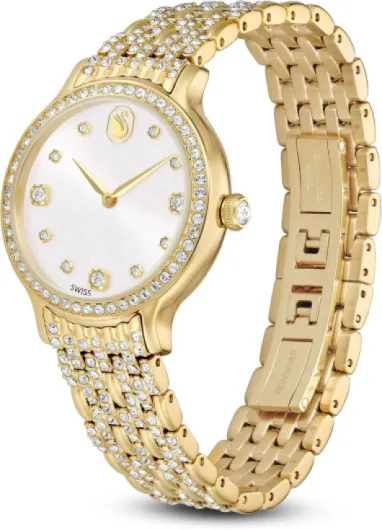
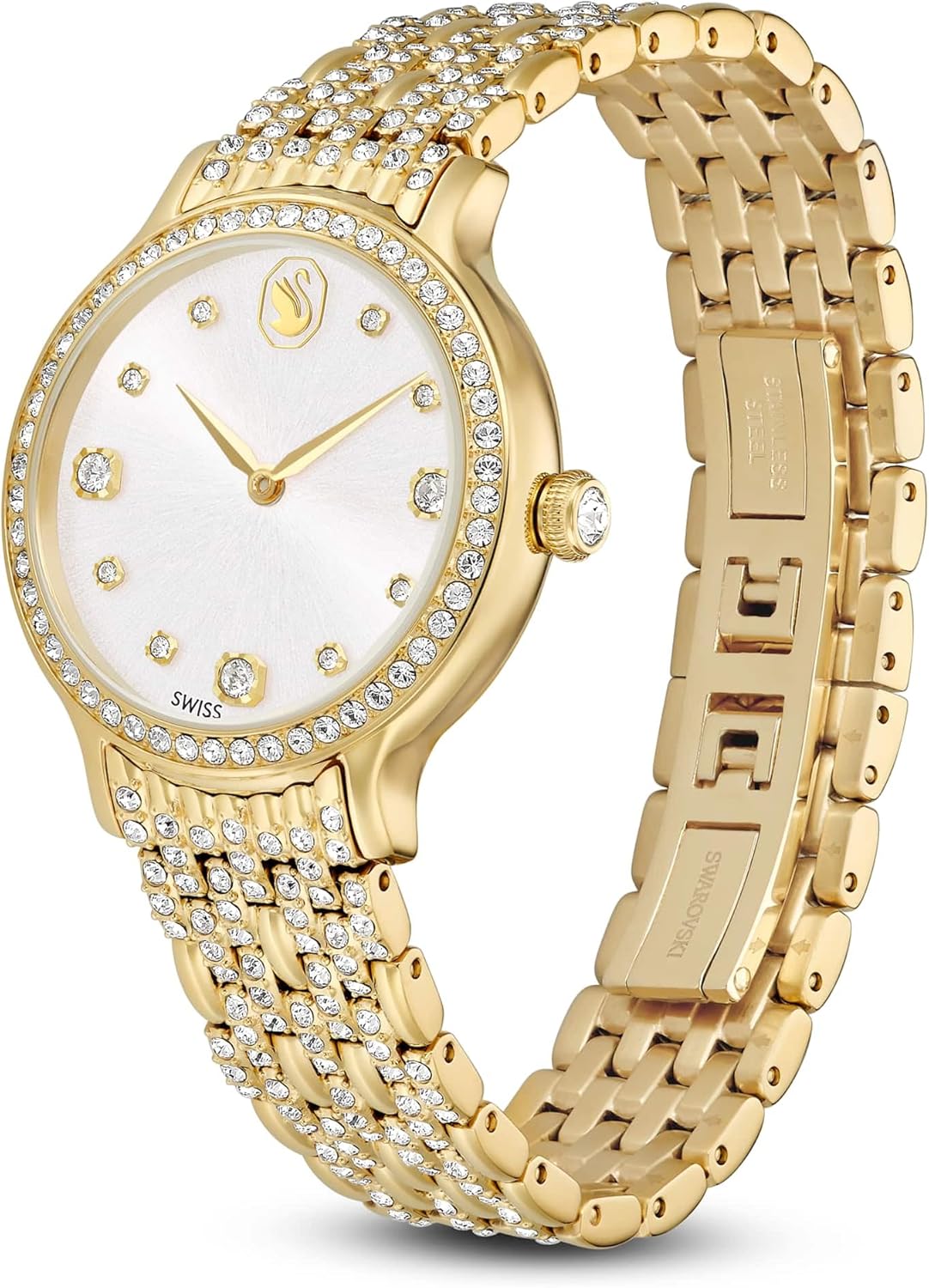
Material choice has a direct impact on how the best Swiss quartz watches feel on the wrist and perform as investments. Stainless steel remains the most versatile option, as a stainless steel case resists daily wear while keeping the overall price accessible for many collectors. When you move into yellow gold, rose gold, or steel and rose gold combinations, the visual warmth increases and the watch often gains a more formal presence.
Case size deserves careful attention, especially with slim quartz movements that allow for elegant proportions. Many Longines Mini DolceVita references sit around 21 to 23 millimetres wide, which suits smaller wrists and collectors who appreciate discreet luxury, while larger TAG Heuer quartz sports watches in 40 to 43 millimetres cater to those who prefer a bolder stance. The key is to try several case sizes in person, paying attention to lug to lug length, thickness, and how the watch balances on your wrist over time.
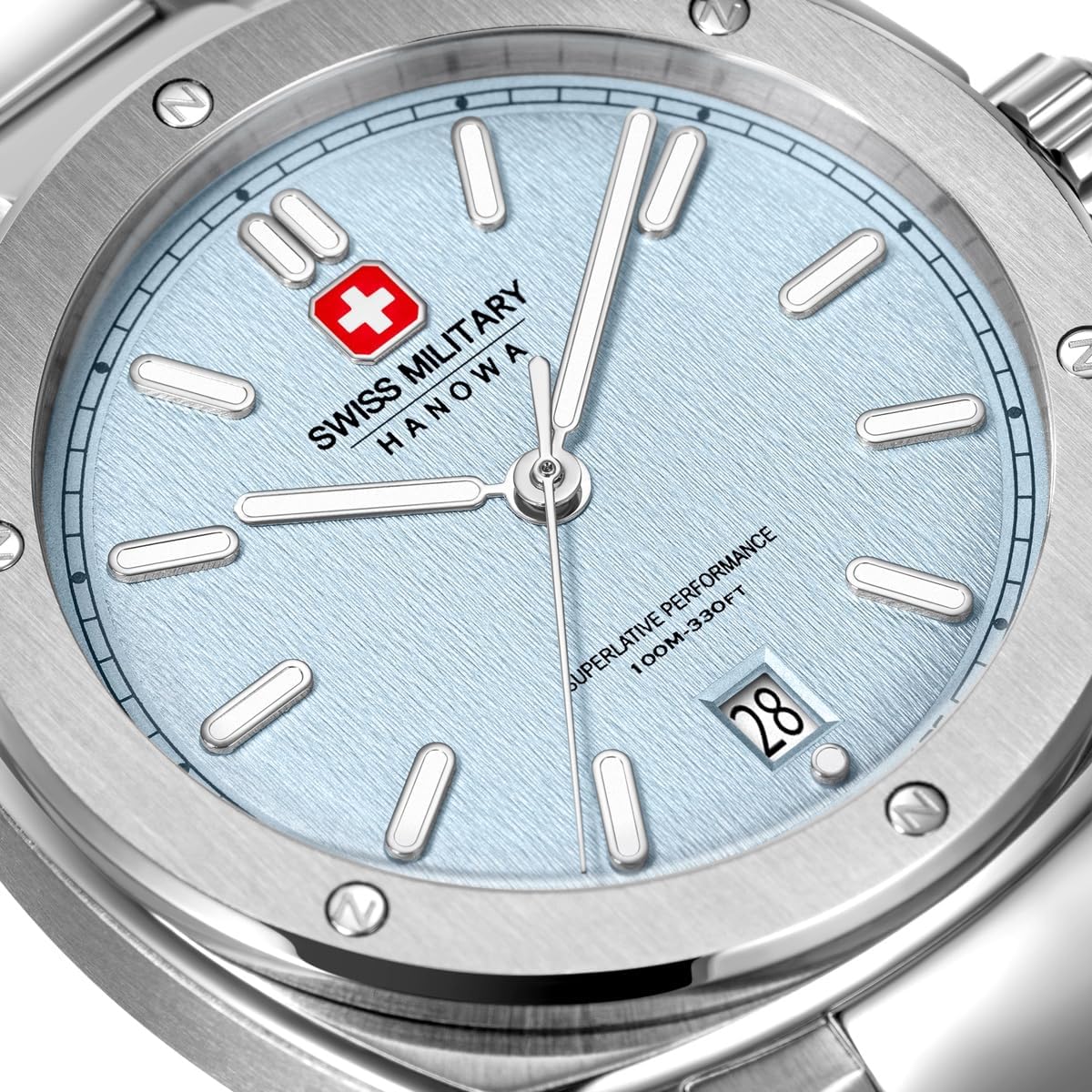
Dial execution often separates a merely good quartz watch from a truly great one. A deep black dial with applied markers, crisp printing, and well finished hands can transform a simple three hand quartz movement into a compelling object of design. Collectors also watch for subtle details such as sunburst brushing, lacquer depth, and the harmony between dial color, case metal, and strap or bracelet, whether in leather, stainless steel, or a two tone steel and rose gold configuration.
Field ready quartz and everyday luxury practicality
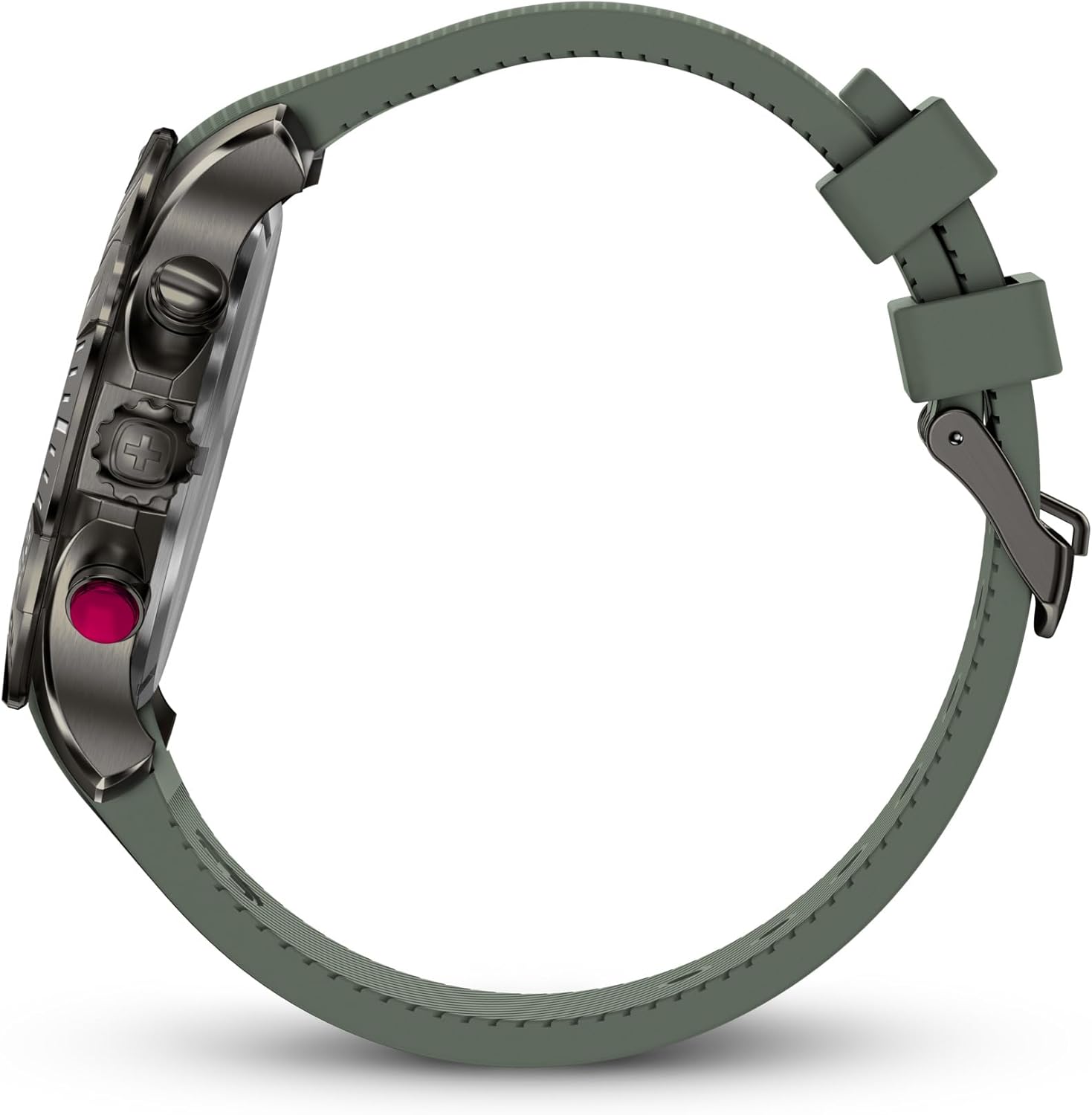
Not every collector piece needs to be a dressy Cartier Tank or a delicate Longines Mini; some of the best Swiss quartz watches are built for hard use. Field oriented designs, often inspired by military watches, use robust stainless steel cases, legible dials, and reliable quartz movements that shrug off shocks and temperature swings. While Hamilton’s Khaki Field line is famous for mechanical versions, many enthusiasts also appreciate a khaki field style quartz watch for travel, sports, and situations where absolute accuracy and low maintenance matter.
Seiko and Grand Seiko contribute significantly to the field quartz segment, even though they are not Swiss, by setting benchmarks for durability and precision. Their success has encouraged Swiss brands to refine their own field quartz offerings, combining Swiss quartz technology with rugged case construction and high visibility black dial layouts. Collectors who rotate between mechanical and quartz watches often rely on a field quartz piece as the dependable option that is always ready to wear, regardless of when it was last set.
Everyday practicality also extends to ownership tasks such as cleaning and light cosmetic care. A well maintained stainless steel bracelet or gold plated case can look fresh for decades if you use appropriate tools, such as a dedicated watch cleaning and scratch remover kit designed for fine timepieces. This kind of routine care helps preserve both the visual appeal and the resale value of your quartz watches, especially when combined with careful storage and regular battery changes.
Balancing quartz and mechanical pieces in a serious collection
For many enthusiasts, the question is not quartz versus mechanical, but how to balance both within a coherent collection. Mechanical watches offer tactile pleasure through winding, the sweep of the seconds hand, and the knowledge of intricate movements beating inside the case, while quartz watches provide effortless accuracy and grab and go convenience. The best Swiss quartz watches complement rather than compete with your mechanical pieces, filling roles where reliability and slim profiles matter more than horological theatrics.
Investment minded collectors often allocate a portion of their budget to quartz icons that have proven staying power. A Cartier Tank in yellow gold with a quartz movement, a Longines Mini DolceVita in steel and rose gold, and a TAG Heuer sports quartz in stainless steel can anchor the quartz side of a collection, while mechanical chronographs and dress watches handle more romantic duties. Over time, this blend allows you to enjoy the artistry of mechanical movements without sacrificing the practicality that quartz watches bring to daily life.
Heirloom planning also enters the conversation, as quartz pieces can be ideal gifts for family members who value style but do not want the responsibility of winding and regulating a mechanical watch. Many collectors look to guidance on selecting heirloom worthy references when deciding which watches to pass down. A well chosen Swiss quartz watch with a timeless dial, comfortable case size, and robust movement can become a cherished object that continues to keep time accurately for the next generation.
Key figures and market statistics for Swiss quartz watches
- According to the Federation of the Swiss Watch Industry, quartz watches represented roughly 70 % of total Swiss watch export volumes in recent years, while accounting for a significantly smaller share of export value compared with mechanical watches, which shows how quartz still dominates everyday usage.
- Data from Chrono24 and WatchCharts indicate that pre owned prices for iconic Swiss quartz models such as the Cartier Tank and TAG Heuer Formula 1 have risen between 10 % and 25 % over the past five years, depending on reference and condition, reflecting growing collector interest in high quality quartz pieces.
- Service cost comparisons published by major brands show that routine maintenance for a Swiss quartz watch can be between 30 % and 50 % lower than for an equivalent mechanical model, largely because quartz movements require fewer parts to be cleaned, lubricated, and regulated.
- Accuracy specifications from brands such as Longines and Grand Seiko indicate that standard Swiss quartz movements typically run within ±15 seconds per month, while high accuracy quartz movements can achieve ±10 seconds per year, which far surpasses the performance of most mechanical chronometers.