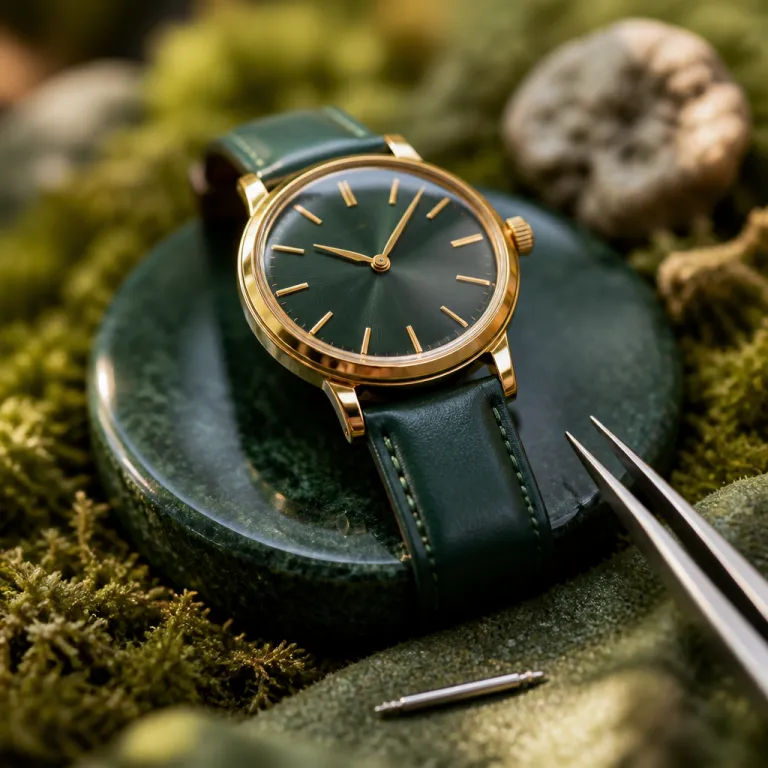
Spring bar tweezers for luxury watches: how to choose, use and protect your collection
Why spring bar tweezers matter for serious watch collectors
Every serious collector eventually learns that refined spring bar tweezers are as essential as a loupe. When you handle a complicated watch with a precious metal case and a tight lug profile, the right spring bar tool becomes the difference between a pristine surface and a costly watch repair. A dedicated bar tweezer gives you precise control over each steel spring and pin, protecting both the strap and the watch head.
Luxury watches often use curved spring bars and integrated band pins that sit deep between the lugs. Trying to force these out with a generic fork tool or improvised bar tool risks slipping, scratching the bracelet, or even bending the watch spring pins beyond safe reuse. Purpose built spring bar tweezers grip both ends of the spring bars simultaneously, so the strap or bracelet releases cleanly without levering against the watch case.
Collectors who rotate watches frequently, especially between leather strap, rubber band, and metal bracelet, benefit most from professional tweezers. A well made stainless steel tweezer or a set of high grade tools from a specialist such as Bergeon watch equipment allows quick strap bracelet changes while preserving factory finishing. Over time, the relatively small outlay for quality bar tweezers is negligible compared with the value of the watches they help protect.
Choosing between Bergeon, Horofix and other professional bar tweezers
Selecting the right spring bar tweezers starts with understanding how you use each watch. If you mainly adjust a robust tool watch with drilled lugs and a straightforward watch band, a simpler stainless steel removal tool with a single fork may suffice. Collectors who handle precious metal cases, integrated bracelet designs, and complex strap bracelet systems should invest in a premium bergeon spring bar tweezer or a comparable horofix spring model.
Bergeon spring bar tweezers are widely regarded as a benchmark among professional watch repair tools. Popular references such as Bergeon 7825 or 7825-F (for fine, polished tips) combine a hardened steel spring mechanism, finely machined fork tips, and adjustable width that allow safe link removal and precise manipulation of band pins on both straps and bracelets. Horofix spring bar tweezers, including models like the Horofix HF-201 series, offer a slightly different feel in the hand, with a lighter metal body and a competitive price that appeals to enthusiasts building a first serious watch repair kit.
When comparing bar tweezers, examine the finish of the fork tool ends and the smoothness of the spring action. Poorly finished tools can mark a watch strap or slip off a spring bar, while inconsistent tension in the steel spring makes delicate work around the lug area unpredictable. For collectors who also rely on automatic pieces stored in a high quality dual watch winder, such as those evaluated in this test of a latest double watch winder box, matching that level of care with equally refined tweezers and tools is simply coherent.
Mastering safe strap and bracelet changes with spring bar tweezers
Effective use of spring bar tweezers begins with stabilising the watch and planning each movement. Place the watch on a soft, lint free mat, orient the watch strap or bracelet so the spring bar shoulders are visible, and align the fork tool ends of the tweezer with both sides of the bar. By compressing the watch spring evenly from both lugs, you avoid twisting the pin and reduce stress on the band pins and surrounding metal.
For leather strap changes, always support the strap bracelet section close to the lug while operating the bar tweezer. This prevents the strap from snapping free under tension and dragging the fork across the watch case or polished bracelet links. With metal bracelets, especially those on a heavy tool watch, take extra care during link removal because the weight of the band can pull on partially released spring bars and scratch the underside of the lugs.
Once the band or watch band is removed, inspect each spring bar and pin for wear, bent steel spring sections, or damaged tips. Common diameters range from 1.5 mm to 1.8 mm, with lengths around 18–22 mm for many modern watches, so keeping a small organiser of fresh bars in these sizes makes replacement straightforward. Long term collectors who already apply museum level storage practices, such as those outlined in this guide on how to store watches with museum level care, should treat spring bar maintenance with the same seriousness.
Protecting lugs, cases and bracelets during watch repair work
The most common damage during amateur watch repair is a slip that scars a lug or gouges a bracelet link. Spring bar tweezers dramatically reduce this risk because they eliminate the levering motion of a single sided bar tool against the watch case. By compressing the spring bars from both sides, the fork ends move parallel to the lugs and away from visible metal surfaces.
When working on a polished precious metal watch, apply low tack tape around the lug edges before using any tools. This simple step, combined with a well controlled bar tweezer, protects against accidental contact from the fork tool or the end of a pin under tension. For brushed steel bracelets, always move the tweezers and other tools in the direction of the existing grain to avoid creating cross scratches that are difficult to refinish.
Collectors who enjoy rotating between a rubber strap, a leather band, and a stainless steel bracelet on the same watch should standardise their technique. Use the same stable work surface, the same angle of approach to the lugs, and the same pressure on the steel spring mechanism of the tweezers each time. Consistency in how you handle every spring bar and pin will keep your watches looking factory fresh even after countless strap changes.
Building a focused toolkit around spring bar tweezers
Spring bar tweezers sit at the centre of a well considered watch repair toolkit for collectors. Around them, you should assemble a small selection of complementary tools such as a classic fork tool, a dedicated removal tool for stubborn spring bars, and a precise screwdriver set for link removal. This compact équipe of tools allows you to handle most strap bracelet adjustments without resorting to improvised metal objects that can damage watches.
For those who favour dive watches and other robust tool watch designs, pairing bar tweezers with a high quality stainless steel bracelet sizing kit is particularly effective. You can adjust band pins, swap between a bracelet and a rubber watch strap, and manage every spring bar with confidence using a single coherent system. Enthusiasts exploring professional grade pieces can consult this guide to top luxury dive watches for professionals and then equip matching tools that respect the engineering of those watches.
Owners of dress watches on fine leather strap or exotic skin band should prioritise tools with polished, burr free fork ends. A well finished bar tweezer glides around the lugs and under the watch band without fraying the strap edges or marking the case. Over time, the modest price of such refined tools yields a strong return on investment by preserving both the aesthetic and the resale value of the collection.
Evaluating quality, price and long term value of spring bar tweezers
Assessing the quality of spring bar tweezers requires more than glancing at the price tag. Examine the alignment of the fork tips, the consistency of the steel spring tension, and the overall finish of the metal surfaces that will contact your watches. High grade stainless steel construction resists corrosion from sweat and humidity, which is crucial if you often change straps on dive watches or pieces worn in warm climates.
Professional brands such as Bergeon watch equipment typically command a higher price because of tighter manufacturing tolerances and better quality control. Their bergeon spring bar tweezers maintain precise alignment over years of use, while cheaper tools can loosen, twist, or lose their grip on spring bars and pins. Horofix spring models often offer a compelling balance between cost and performance, especially for collectors who are building their first serious watch repair and strap changing station.
When calculating value, consider how often you change a watch strap or bracelet and the total worth of the watches involved. A single slip that damages a gold lug or a complex steel bracelet can exceed the cost of a premium bar tweezer many times over. For a passionate collector, investing in reliable spring bar tweezers and complementary tools is not an indulgence but a rational strategy for preserving the integrity of the entire collection.
Key figures about strap changes and watch maintenance
- According to data from the Federation of the Swiss Watch Industry (FHS), exports of Swiss watches above 3 000 CHF have grown steadily over the past decade, which increases the financial impact of any damage caused by poor quality tools during strap or bracelet changes. A summary of this trend is available in the FHS statistics section at https://www.fhs.swiss/eng/statistics.html.
- Service centres for major luxury brands often report that a significant share of cosmetic case and lug damage they correct originates from improper watch band and spring bar handling by owners or non authorised repairers.
- Professional watchmakers typically recommend replacing frequently used spring bars every few years, especially on heavy stainless steel bracelets, because metal fatigue in the internal steel spring can lead to unexpected failure.
- Independent surveys of collectors show that enthusiasts who own dedicated spring bar tweezers and related tools perform strap changes more often, which increases enjoyment of the collection while reducing reliance on external watch repair services.
FAQ about spring bar tweezers for luxury watches
Are spring bar tweezers really safer than a standard fork tool ?
Yes, spring bar tweezers are generally safer because they compress both ends of the spring bar simultaneously, so there is no levering motion against the lug or case. This reduces the risk of slipping and scratching precious metal or polished stainless steel surfaces. A standard fork tool remains useful, but tweezers offer more control for high value watches.
Which brand of spring bar tweezers should a collector start with ?
For a first serious purchase, many collectors choose a bergeon spring bar tweezer because of its proven durability and precise machining. Horofix spring bar tweezers can be an excellent alternative when you want strong performance at a slightly lower price point. The key is to select a model with well finished fork tips, stable steel spring tension, and a comfortable grip.
Can I use the same spring bars when switching between strap and bracelet ?
Sometimes you can reuse the same spring bars, but only after careful inspection of the pins and steel spring inside. If you notice bent tips, corrosion, or reduced tension, replace them immediately rather than risking a failure that could drop the watch. Many collectors keep a small stock of high quality spring bars in different diameters dedicated to specific straps and bracelets.
How often should I change a leather strap using spring bar tweezers ?
The frequency depends on how often you wear the watch and the climate, but many leather straps last one to several years with proper care. Using spring bar tweezers helps by avoiding unnecessary stress on the strap ends and stitching during removal. Always support the strap close to the lug and avoid twisting the bar when compressing it.
Do I need professional training to use spring bar tweezers safely ?
You do not need formal training, but you should practise on a less valuable watch before working on high end pieces. Start slowly, stabilise the watch on a soft surface, and learn how much pressure is required to compress the spring bars without forcing them. Over time, your technique will become precise enough to handle even complex bracelets and delicate lugs confidently.
Step-by-step visual guide to a basic strap change
The following simple diagram-style sequence illustrates a safe strap removal using spring bar tweezers. Use it as a visual checklist the next time you work on a watch.

- Place the watch dial-down on a soft mat, with the lugs pointing left and right.
- Identify the spring bar shoulders between the lug and the strap end.
- Position the tweezer tips on both ends of the spring bar, parallel to the case.
- Gently squeeze until the bar clears the lug holes, then lift the strap away.
- Release pressure slowly so the spring bar does not snap against the case.

A. Lug inner wall – protect with low tack tape on polished cases.
B. Spring bar tip – ensure it is fully compressed before moving the strap.
C. Tweezer fork – keep the flat side against the bar, not the case.
D. Strap end – support with your free hand to control sudden movement.