Core components of the best watch cleaning kits for luxury watches
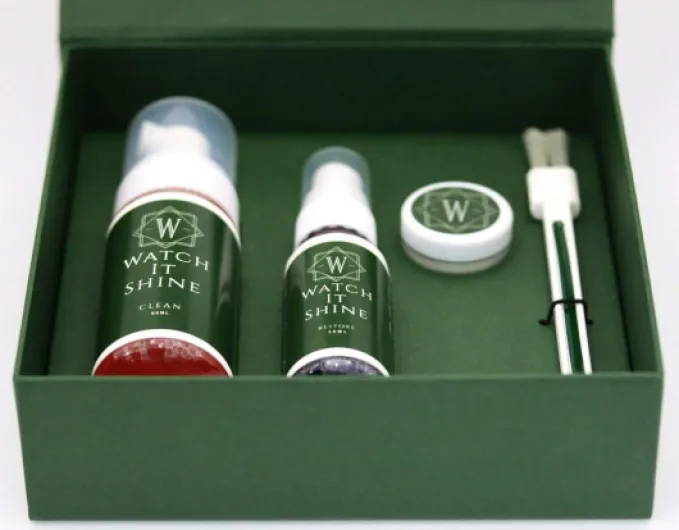
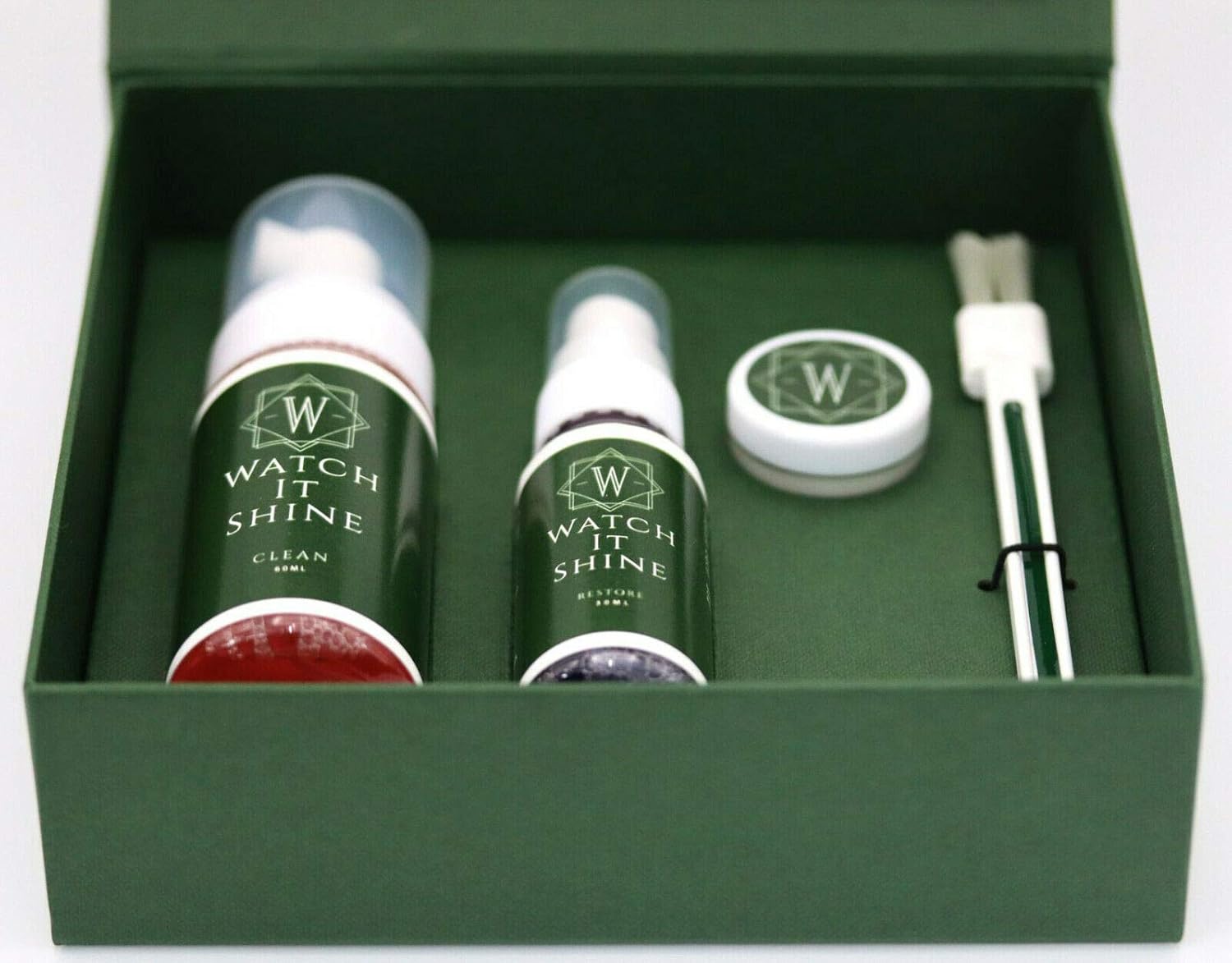
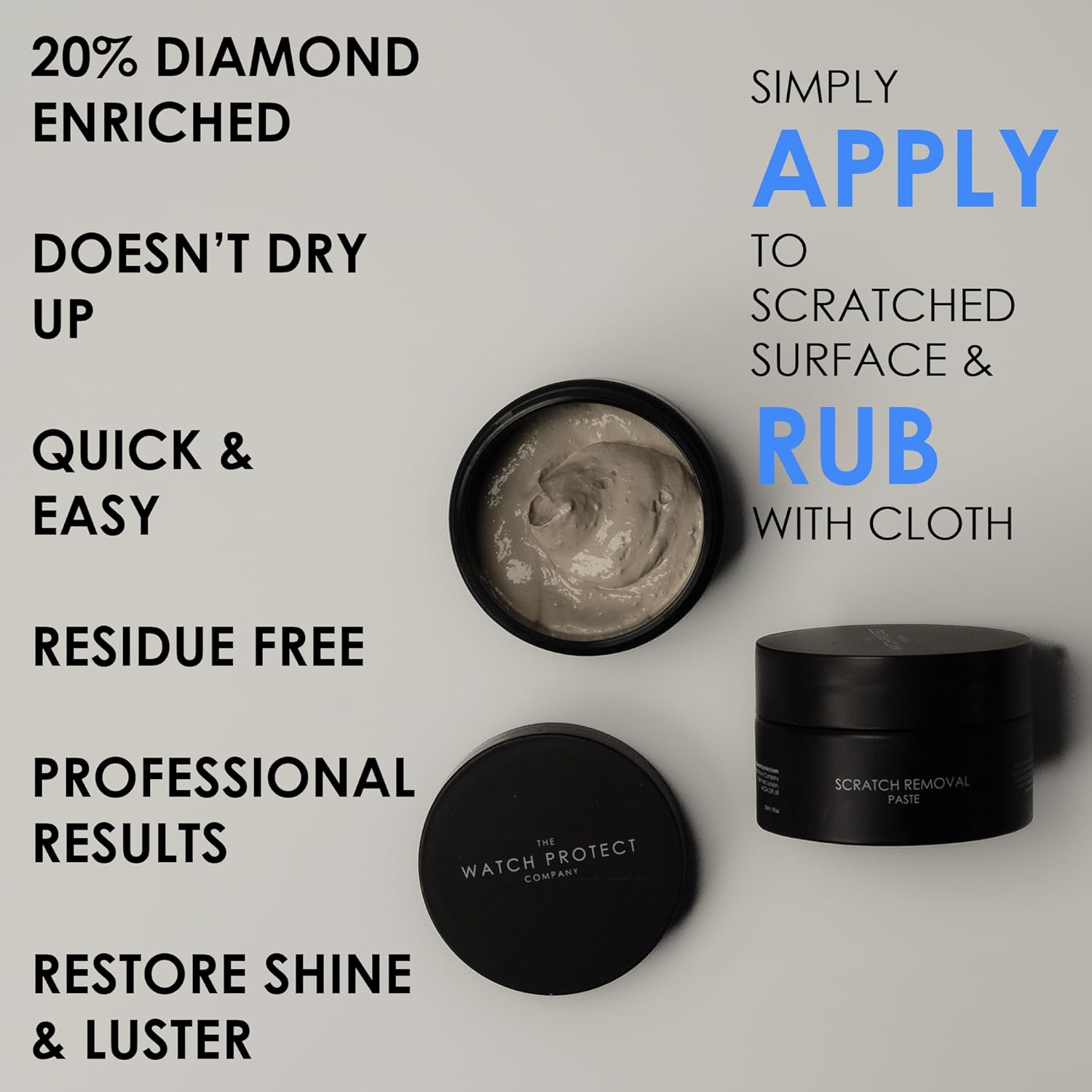
The best watch cleaning kits for luxury watches share a common philosophy built around gentle efficiency. A complete cleaning kit always combines a soft brush, a dense microfiber cloth, a separate polishing cloth, and a neutral cleaning solution that is safe for cases, bracelets, and crystals. When these elements work together, you can clean a watch thoroughly while keeping gaskets, finishes, and leather straps in pristine condition.
Start with the brush, because it dislodges dust and skin from the watch case, bracelet links, and clasp without leaving micro scratches. A truly soft brush with rounded bristles reaches between the lugs, around pushers, and under the bezel, which is critical for complicated watches from maisons such as Patek Philippe or Audemars Piguet. After brushing, a slightly damp microfiber cloth lifts remaining residue, while a dry polishing cloth restores the final sheen that luxury watches deserve.
Many enthusiasts now prefer specialized brands such as Wristclean for a dedicated watch cleaning system that respects both steel bracelets and leather straps. A good care kit from a serious shop will include separate products for metal and leather, because a cleaning solution designed for a steel watch case is rarely ideal for a delicate leather strap. When you evaluate any cleaning kits marketed for des montres de luxe, look for clear instructions about water exposure, watch care for leather, and compatibility with high end finishes, then compare them with this detailed guide to top watch cleaning kits for luxury watches on specialized cleaning kits for luxury watches.
Safe routines for cases, bracelets, and leather straps at home
Effective watch cleaning at home begins with protecting the movement from unnecessary water exposure. Before you reach for any cleaning kit, always check that the crown is fully pushed in or screwed down, and avoid submerging vintage watches or pieces with unknown service history. This simple habit prevents moisture from entering the watch case, where it could corrode components and compromise accuracy.
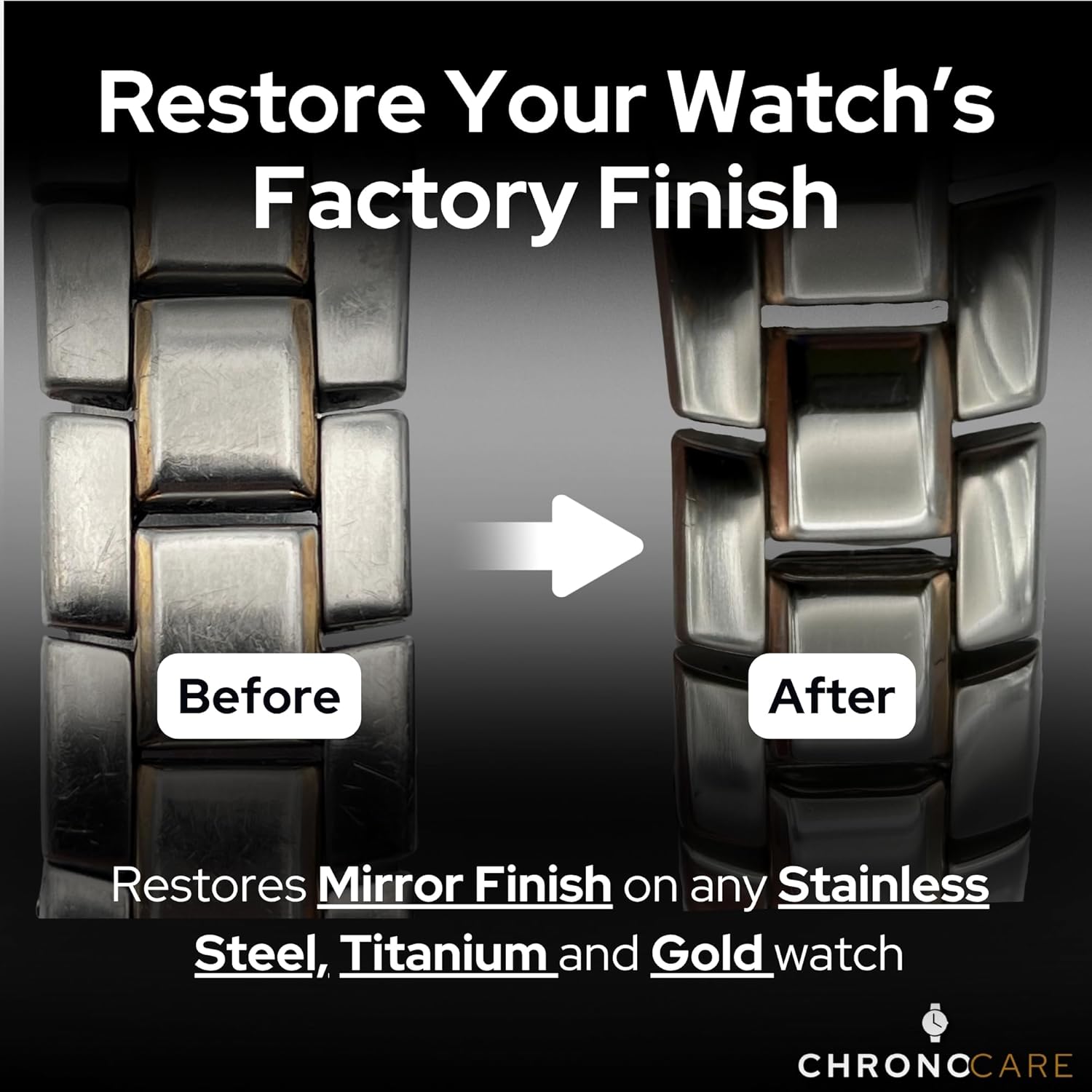
For modern steel or titanium bracelets, a bowl of lukewarm water mixed with a few drops of neutral cleaning solution is usually sufficient. Dip the soft brush into the mixture, gently scrub the bracelet and the exterior of the watch case, then rinse under a light stream of clean water while keeping the crown area pointed downward. Immediately afterwards, pat the watch dry with a microfiber cloth, then finish with a polishing cloth to restore the lustre that defines luxury watches on the wrist.
Leather straps and leather bracelets require a different approach, because prolonged water contact dries and cracks the material. Instead of soaking, wipe the leather strap with a barely damp microfiber cloth, apply a leather specific care kit product if your cleaning kits include one, and let it dry away from direct heat. When you rotate watches in a watch winder such as the model reviewed here for multiple automatic watches on a lockable automatic watch winder with storage, always ensure each clean watch is fully dry before storage to avoid trapped humidity in the watch case.
Tailored strategies for Patek Philippe, Audemars Piguet, and other haute horlogerie
High complications from Patek Philippe demand a more conservative cleaning strategy than robust sports watches. When you handle a perpetual calendar or minute repeater, limit yourself to a lightly dampened microfiber cloth on the case and a very soft brush around the lugs, avoiding any aggressive cleaning solution near pushers or sliders. These watches often feature intricate cases with hand finished bevels, so the best watch cleaning kits for luxury watches must prioritize preservation over aggressive watch clean results.
Audemars Piguet Royal Oak and Royal Oak Offshore models introduce another challenge, because their sharp edges and alternating brushed and polished surfaces are vulnerable to careless cleaning. Use the brush along the grain of the brushing on the bracelet and bezel, never across it, and always dry with a clean microfiber cloth that is reserved only for these watches. A dedicated polishing cloth can refresh polished bevels, but it should be used sparingly to avoid softening the crisp geometry that makes these montres instantly recognizable.
For both Patek Philippe and Audemars Piguet, a maison des montres approach means separating tools within your cleaning kit for different roles. Keep one soft cloth exclusively for precious metal cases, another for steel bracelets, and a third for leather straps, so abrasive particles never migrate between surfaces. When in doubt about water resistance or the right cleaning solution, restrict yourself to dry watch cleaning and schedule professional watch care during regular servicing intervals recommended by the manufacture.
Building a dedicated maison des montres care station at home
Creating a small care station in your maison elevates routine watch cleaning into a deliberate ritual. Choose a stable table near good natural light, lay down a soft mat, and keep your main cleaning kit within easy reach in a dedicated box. This space becomes your private atelier, where each clean watch passes through the same careful sequence of inspection, cleaning, and drying.
Organize your tools logically, separating the soft brush, microfiber cloth, polishing cloth, and any liquid cleaning solution into labeled compartments. Store bracelets and spare leather straps in individual pouches, so dust and moisture never accumulate on surfaces that touch the wrist. When you return from the shop with a new piece, integrate it immediately into this system, assigning it a specific watch case slot and noting any special watch care instructions from the brand.
Many collectors keep a small notebook or digital log near this maison des montres station to track when each watch was last cleaned and serviced. This habit is especially useful for larger collections of luxury watches, where it is easy to forget which bracelets were recently adjusted or which leather strap received conditioner. While you maintain this routine, you can also consult in depth guides such as this overview of top stainless steel luxury watches on high end stainless steel watches to align your cleaning kits and techniques with the specific materials in your collection.
When to stop cleaning at home and consult a professional
There is a clear line between routine watch cleaning and work that belongs in a professional atelier. If you notice condensation under the crystal, a loose crown, or a bracelet with excessive stretch, no cleaning kit will solve the underlying problem safely. In these cases, the best watch cleaning kits for luxury watches are still useful for gentle exterior care, but the watch itself should go directly to an authorized service center.
Professional watchmakers use pressure testing machines to verify water resistance after any intervention on the watch case, crown, or pushers. They also have access to brand approved cleaning solution formulas, ultrasonic machines for bracelets, and specialized tools that avoid damage to gaskets and finishes. For high value pieces from maisons such as Patek Philippe or Audemars Piguet, alternating between home based watch care and periodic professional cleaning watch services offers the best balance between convenience and long term preservation.
As a rule of thumb, keep home routines limited to surface dirt, fingerprints, and sweat on bracelets, leather straps, and crystals. Leave any operation that requires opening the watch case, adjusting the movement, or replacing gaskets to trained professionals who understand the tolerances of luxury watches. This partnership between your daily use of a soft cloth and brush and their specialized equipment ensures every clean watch in your collection remains mechanically sound and visually impeccable.
Choosing and maintaining your primary cleaning kit over time
Selecting a primary cleaning kit is less about branding and more about materials and ergonomics. Look for a set that includes at least one ultra soft brush, two or three microfiber cloth options, a non aggressive cleaning solution, and a polishing cloth suitable for both steel and precious metals. A compact case or pouch helps you keep these tools together, turning the kit watch concept into a practical everyday companion for your collection.
Once you own one of the best watch cleaning kits for luxury watches, treat the kit itself with the same care you give your watches. Wash microfiber cloth items separately from regular laundry to avoid fabric softener residues, replace the brush when bristles start to deform, and monitor the expiry date of any liquid cleaning solution. Over time, you may add specialized pieces such as separate care kit products for leather straps or a travel sized watch clean set for use away from your maison.
Rotating between two cleaning kits can be useful if you own both sports watches and dress montres with delicate finishes. Keep one kit focused on robust bracelets and high water resistance pieces, and reserve the other for thin dress watches, vintage cases, and refined leather strap combinations. This layered approach to watch cleaning and watch care respects the diversity of luxury watches while ensuring every clean watch receives attention tailored to its specific materials and construction.
Key figures that highlight the value of proper watch care
- According to data from major auction houses, watches sold with documented service and careful exterior condition can achieve price premiums of 10 to 20 percent compared with similar references in neglected state, which underlines the financial impact of consistent watch cleaning and watch care.
- Service guidelines from leading Swiss maisons typically recommend full maintenance every 5 to 10 years depending on the model and water resistance, so home use of a cleaning kit bridges long intervals between professional interventions while keeping each clean watch comfortable on the wrist.
- Surveys among luxury watch owners indicate that more than half of collectors clean their watches at home at least once per week, yet a significant minority still use inappropriate household products, which reinforces the need for dedicated cleaning kits and proper microfiber cloth and brush combinations.
- Independent watchmakers report that moisture related damage remains one of the most common causes of costly repairs, which is why careful control of water exposure during watch cleaning is as important as the choice of cleaning solution or polishing cloth.
References
- Rolex service and care guidelines, official brand documentation.
- Patek Philippe maintenance recommendations, official customer care publications.
- Audemars Piguet care and maintenance advice, official service center communications.