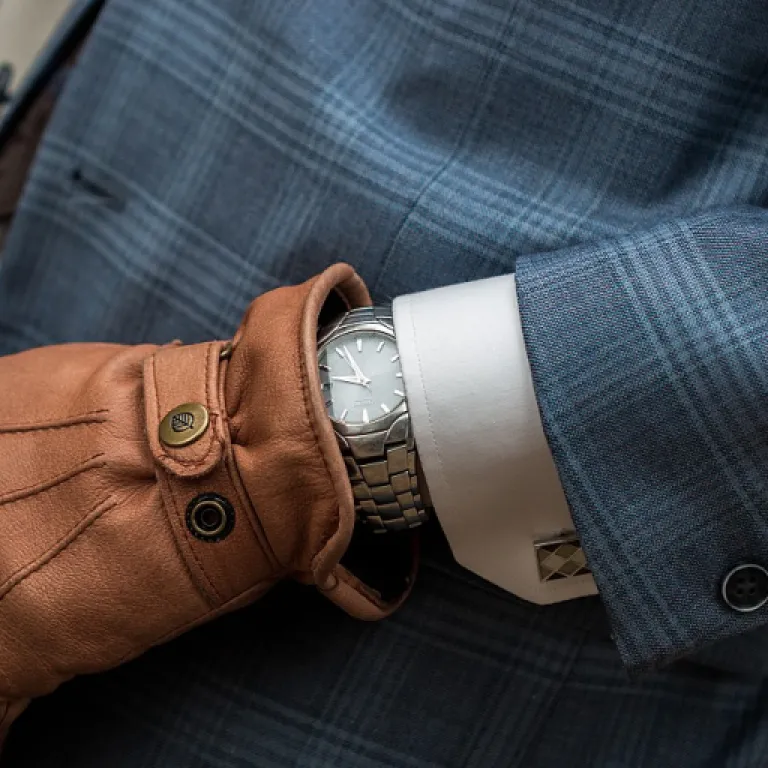

Defining the dial on a luxury watch
The Central Role of the Dial in Luxury Watchmaking
When you first glance at a luxury watch, the dial is what immediately captures your attention. Often referred to as the "watch face," the dial is far more than a simple background for the hour and minute hands. It is the canvas where artistry, function, and heritage converge, defining the character and aesthetic appeal of the timepiece.
Luxury watch dials come in a variety of types, each offering unique features and design elements. Whether it’s the classic elegance of roman numerals, the bold clarity of arabic numerals, or the distinctive look of california dials and crosshair dials, the dial sets the tone for the entire watch. The arrangement of hour markers, the style of the watch hands, and the presence of complications like a chronograph or power reserve indicator all contribute to the dial’s identity.
- Markers and Numerals: Dials feature different hour markers, from applied indices to painted numerals, each influencing legibility and style.
- Hands: The hour, minute, and sometimes second or chronograph hands sweep across the dial, interacting with its design and layout.
- Complications: Many luxury watches display additional information on the dial, such as chronograph subdials, date windows, or power reserve indicators.
What makes luxury watch dials truly special is the attention to detail in their design and execution. From the intricate guilloche patterns to the use of rare stone dials, every element is chosen to enhance both the function and the beauty of the watch. The dial is not just a functional component; it is a statement of craftsmanship and innovation.
If you are curious about the significance of numerals and their influence on watch design, discover more in this article on the allure of Arabic numerals in luxury wristwatches.
Understanding the dial is essential for appreciating the artistry and complexity that define luxury watches. As we explore materials, finishes, and the art of dial design, it becomes clear that the dial is much more than just a face—it is the heart of the timepiece’s identity.
Materials and finishes that set luxury dials apart
Signature Materials and Finishes in Luxury Watch Dials
When it comes to luxury watches, the dial is far more than a simple watch face. It’s a canvas where artistry and innovation meet, setting high-end timepieces apart from the rest. The choice of materials and finishes plays a crucial role in defining the aesthetic appeal and value of a dial watch.
- Precious Metals: Many luxury watch dials are crafted from gold, platinum, or silver. These metals not only enhance the visual allure but also contribute to the overall value of the timepiece.
- Stone Dials: Exotic stones like lapis lazuli, malachite, onyx, and mother-of-pearl are used to create unique stone dials. Each piece is distinct, making these watches highly collectible and visually striking.
- Guilloché and Engraving: The intricate guilloché technique, where patterns are engraved onto the dial, is a hallmark of haute horlogerie. This hand-finished detail adds depth and sophistication to the watch dial.
- Enamel and Lacquer: Enamel dials, especially those using the grand feu technique, are prized for their vibrant colors and durability. Lacquer finishes, on the other hand, offer a glossy, contemporary look.
- Textured Surfaces: Sunburst, crosshair dials, and tapisserie patterns are just a few examples of textures that catch the light and add character to the watch face.
The choice of markers and numerals—whether roman numerals, arabic numerals, or applied indices—also influences the overall design. For a deeper dive into the enduring charm of arabic numerals, visit this article on arabic numerals in luxury wristwatches.
Luxury watch dials often feature a combination of finishes, such as polished hour markers paired with brushed backgrounds, or contrasting watch hands for optimal legibility. The interplay between materials, finishes, and design elements like power reserve indicators, chronograph subdials, and california dials creates a dial that is both functional and visually captivating.
Ultimately, the materials and finishes chosen for luxury watch dials are not just about aesthetics—they reflect the heritage, innovation, and meticulous craftsmanship that define the world’s most coveted timepieces.
The art of dial design in haute horlogerie
The language of luxury: how design choices shape the dial
When it comes to haute horlogerie, the dial is far more than a simple watch face. It’s the canvas where artistry and technical mastery meet, setting luxury watches apart from the rest. Every detail, from the placement of hour markers to the choice of numerals, reflects a brand’s heritage and vision. The dial design is a key factor in a timepiece’s aesthetic appeal and collectibility.
- Markers and numerals: Luxury watch dials often feature a mix of roman numerals, arabic numerals, or minimalist indices. Some iconic models use unique combinations, like california dials, which blend roman and arabic numerals for a distinctive look.
- Hands and layout: The shape and finish of watch hands—whether dauphine, baton, or leaf—contribute to the overall aesthetic. The arrangement of hour, minute, and seconds hands, as well as subdials for chronograph or power reserve functions, is carefully considered for both beauty and legibility.
- Textures and techniques: Techniques such as guilloche engraving, sunburst brushing, or the use of stone dials (like onyx or lapis) add depth and character. Crosshair dials, with their subtle intersecting lines, offer a vintage touch that appeals to collectors.
Luxury brands like Rolex are known for their attention to detail in dial design. Whether it’s the precise alignment of dial indices or the use of precious materials, these choices create a sense of exclusivity. Dials feature not only the time but also complications like chronograph counters, date windows, and even moon phases, each integrated seamlessly into the design.
What truly sets a luxury watch dial apart is the harmony between function and form. The right combination of color, texture, and layout can turn a dial watch into a work of art. For enthusiasts deciding between types of movements or complications, understanding the role of dial design is just as crucial as the mechanics behind the watch. For more insights on choosing between quartz and automatic movements, explore what truly matters for luxury watch enthusiasts.
Complications and features displayed on luxury dials
Complications: More Than Just Telling Time
Luxury watch dials are celebrated for their ability to display much more than just the hour and minute. The world of haute horlogerie is defined by complications—features that go beyond basic timekeeping. These complications are not only feats of engineering but also contribute to the aesthetic appeal and collectibility of a timepiece.
- Chronograph: A chronograph watch dial features additional sub-dials and hands, allowing the wearer to measure elapsed time. This is a favorite among enthusiasts who appreciate both the technical prowess and the dynamic look it brings to the watch face.
- Power Reserve Indicator: This complication shows how much energy remains in the watch’s mainspring. Often displayed as a semi-circular gauge, it adds both function and visual interest to the dial.
- Calendar Functions: From simple date windows to full annual calendars, these features are seamlessly integrated into luxury dials. Some watches even display the day, month, and moon phase, requiring careful design to maintain legibility and elegance.
- GMT and Dual Time: For travelers, dials with a second time zone or GMT hand are invaluable. These types of dials often use an additional hand or a 24-hour scale, blending utility with sophisticated design.
Markers, Numerals, and Indices: The Language of Time
The way a dial communicates time is as important as the complications it displays. Luxury watches use a variety of hour markers, from applied indices to roman numerals and arabic numerals. Each choice influences the watch’s character and readability. For example, California dials combine roman and arabic numerals for a unique, historical aesthetic, while crosshair dials use fine lines to divide the face, enhancing precision and symmetry.
Markers and numerals are often crafted from precious metals or set with stones, elevating the dial’s luxury status. The placement and style of these elements are carefully considered in the design process, ensuring that the watch hands and markers work together for optimal legibility and beauty.
Hands and Their Role in Dial Design
The hands of a luxury watch are more than simple pointers. Their shape, length, and finish are chosen to complement the dial’s design and enhance the overall aesthetic. Whether it’s the classic dauphine hand, the elegant feuille, or the bold baton, each style interacts with the dial’s markers and complications to create a harmonious look. In chronograph dials, the additional hands for measuring seconds and minutes add a layer of complexity and visual intrigue.
Dial Features That Define Collectibility
Collectors often seek out rare or unusual dial features, such as guilloche patterns, stone dials, or unique dial indices. These elements, combined with the types of complications and the overall design, can significantly influence a watch’s value and desirability. For brands like Rolex, certain dial variations or limited-edition features become highly sought after, driving up demand in the secondary market.
Ultimately, the dial is where the artistry and technical mastery of luxury watchmaking converge. It’s not just about what the dial displays, but how it does so—with every detail contributing to the timepiece’s enduring appeal.
The role of color and texture in dial appeal
The Impact of Color and Texture on Watch Dials
When it comes to luxury watches, the color and texture of the dial are more than just aesthetic choices—they are defining features that can transform the entire character of a timepiece. The interplay between color, texture, and light creates a visual language that speaks to collectors and enthusiasts alike.
- Color Variations: From classic black and white dials to bold blue, green, or even salmon hues, the color palette of luxury watch dials is vast. Brands often use sunburst, matte, or lacquered finishes to enhance the depth and vibrancy of these colors. For example, a deep blue sunburst dial can shift in tone depending on the angle and lighting, adding a dynamic quality to the watch face.
- Texture Techniques: Techniques like guilloche, a traditional decorative engraving, add intricate patterns that catch and reflect light in unique ways. Stone dials—crafted from materials like malachite, lapis lazuli, or meteorite—offer natural textures and patterns, making each dial truly one-of-a-kind. These textures not only elevate the visual appeal but also signal the craftsmanship behind the watch.
- Markers and Numerals: The choice of hour markers—be it applied indices, roman numerals, or arabic numerals—can dramatically affect the dial’s personality. California dials, which combine roman and arabic numerals, are a nod to vintage design and remain a favorite among collectors. Crosshair dials, featuring fine intersecting lines, add a subtle layer of complexity and precision to the watch dial.
Texture and color also play a role in legibility. Contrasting hands and markers against the dial background ensure that reading the hour and minute is effortless, even on a chronograph watch with multiple subdials. The design of the watch hands—whether dauphine, baton, or leaf-shaped—further complements the dial’s overall aesthetic.
Ultimately, the combination of color and texture is a key factor in the collectibility and value of luxury watches. Limited editions with unique dial colors or rare stone dials often command higher prices in the market. The right dial can turn a timepiece into a statement of personal style, making the choice of dial as important as any other feature in a luxury watch.
Collectibility and value: how dials influence the market
Why Dials Matter in Collectibility and Value
For collectors and enthusiasts, the dial of a luxury watch is far more than a simple watch face. It’s a defining feature that can dramatically influence both the desirability and the market value of a timepiece. The combination of materials, finishes, and design choices—like guilloche patterns, stone dials, or rare dial indices—often separates a sought-after collectible from a standard model.
Key Dial Features That Drive Value
- Rarity of Design: Limited-edition dials, such as crosshair dials or california dials, are highly prized. Unique hour markers, like roman numerals or unusual arabic numerals, can turn a watch into a collector’s grail.
- Material Choices: Dials crafted from exotic stones or featuring intricate guilloche work are valued for their craftsmanship and scarcity. Stone dials, for example, are not only visually striking but also challenging to produce, making them rare in the market.
- Complications and Features: Chronograph watch dials, power reserve indicators, and other complications add both functional and collectible appeal. Watches with multiple types of complications displayed on the dial are often more desirable.
- Condition and Originality: Collectors pay close attention to the originality of the dial. Refinished or replaced dials can significantly decrease a watch’s value, while well-preserved original dials, even with patina, are highly sought after.
Market Trends and Iconic Examples
Some brands and models are famous for their distinctive dials. For instance, certain Rolex models with rare dial variations—like the "Paul Newman" chronograph—have achieved legendary status among collectors. The presence of unique hour minute hands, special dial indices, or a particular color and texture can set a timepiece apart in auctions and private sales.
| Dial Feature | Impact on Value | Example |
|---|---|---|
| Stone dials | High due to rarity and craftsmanship | Rolex Day-Date with Lapis Lazuli dial |
| California dials | Highly collectible, especially vintage models | Panerai Radiomir |
| Crosshair dials | Desirable for vintage appeal | Omega Seamaster with crosshair dial |
| Guilloche patterns | Sign of haute horlogerie, increases value | Breguet Classique |
What Collectors Look For
When evaluating a luxury watch, collectors consider the aesthetic appeal of the dial, the originality of the hour markers, and the presence of unique features like a chronograph or power reserve. The combination of these elements, along with the overall design and condition, determines the watch’s place in the market. Ultimately, the dial is not just a backdrop for the hands and numerals—it’s a central part of what makes a timepiece truly collectible.