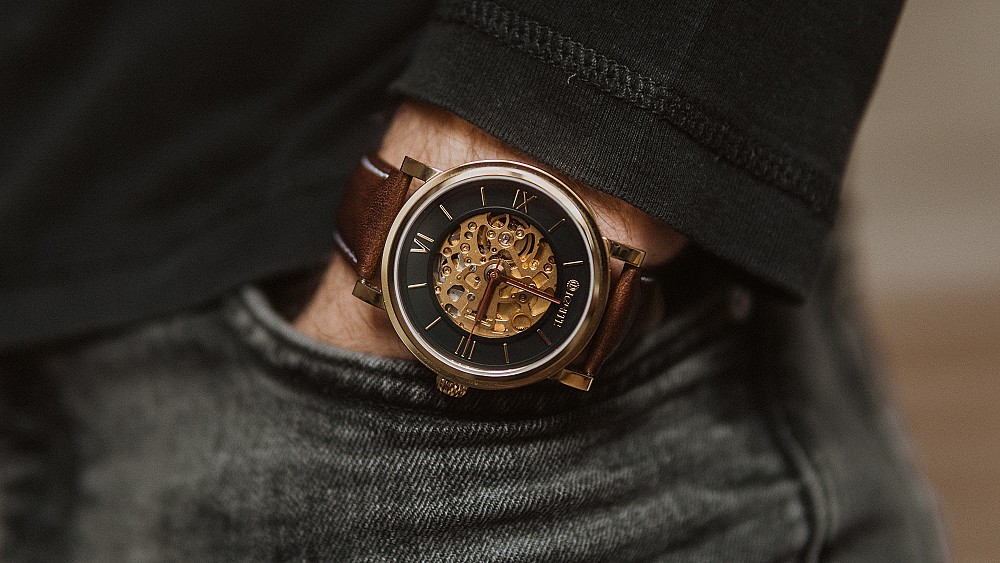
The art of watch hacking in high end mechanical watches
Among luxury watches, the subtle discipline of watch hacking separates casual owners from true connoisseurs. Understanding how to hack a watch and control every second hand movement transforms time setting into a precise ritual that respects traditional watchmaking. This refined practice turns the simple act of pulling the crown into a moment of mechanical intimacy.
In its purest form, watch hacking is the ability to stop the second hand when you pull the crown to set time. This hacking feature lets you align the seconds hand with an external reference, achieving precise time that honors the movement’s engineering. When a mechanical watch lacks this hacking seconds function, even the most careful setting time process leaves a small margin of error.
Collectors often compare hacking movements when evaluating the price of high grade mechanical watches. A hacking movement reflects thoughtful watchmaking, because the gear train, balance wheel, and setting mechanism must interact without harming long term reliability. In many haute horlogerie pieces, the hacking seconds feature is tuned so the second hand stops smoothly rather than jolting.
Historically, the hack watch emerged from military needs, where synchronized time was essential for coordinated operations. Military watches hacking allowed officers to set watch and align every second hand before missions, creating a shared precise time standard. That legacy still influences modern movements, from refined Swiss calibres to robust Seiko mechanical watches with reliable hacking movements.
Today, luxury buyers examine whether a movement offers a hacking watch function before a sale. They test the pulling crown action, observe how the seconds hand halts, and feel the resistance of the mechanical setting. This attention to hacking movements reflects a deeper respect for time, precision, and the craft hidden beneath every dial.
How hacking movements work inside a mechanical watch
To appreciate watch hacking, one must look beneath the dial and study the movement. In a mechanical watch, the balance wheel oscillates while the gear train transfers energy to the second hand and minutes hand. When you engage the hacking feature, a dedicated lever or brake interacts with these movements to stop the seconds hand without damaging components.
In many hacking movements, pulling the crown to the time setting position moves a thin metal piece against the balance wheel. This contact halts the oscillation, which freezes the gear train and second hand, allowing you to set time with exceptional precision. When you push the crown back, the balance resumes, and the seconds hand continues its smooth sweep across the dial.
Some luxury watches use a different hack system that acts directly on the gear train instead of the balance wheel. This alternative hacking movement design can reduce wear on the regulating organ, while still delivering a reliable seconds feature for accurate setting time. Whether the hack watch system touches the balance or the train, the goal remains the same ; to give the wearer control over every second.
Collectors of mechanical watches often compare how various brands implement the hacking watch function. A refined Seiko hacking movement, for example, may feel different from a high horology calibre, yet both allow the owner to set watch and align the seconds hand precisely. Enthusiasts also appreciate how hacking movements integrate with other complications, such as dual time or world time displays.
For those exploring classic pocket pieces, the enduring elegance of the silver fob watch often includes a form of hack watch mechanism, as discussed in this detailed guide on the enduring elegance of the silver fob watch. Whether in wristwatches or fob designs, the hacking seconds feature reflects a commitment to precise time and thoughtful watchmaking. Understanding these internal movements deepens appreciation for every crown pull and every carefully set second.
Military heritage and the rise of the hack watch
The story of watch hacking is inseparable from military history and field operations. Before digital synchronization, officers relied on mechanical watches hacking to coordinate maneuvers down to the exact second. A clear command to pull crowns and hack watch movements created a unified precise time reference across an entire unit.
In these demanding conditions, the hacking feature was not a luxury but a survival tool. Soldiers needed to set time quickly, align every seconds hand, and trust that each mechanical watch would maintain accuracy under shock, moisture, and temperature changes. The robust gear train and balance wheel of military hacking movements became benchmarks for reliability.
Many modern collectors seek vintage military watches with original hacking seconds mechanisms intact. These pieces often show wear from service, yet their movements still allow the wearer to pull the crown, stop the second hand, and set watch with satisfying precision. The price of such watches at sale frequently reflects both their historical role and the enduring quality of their hacking movements.
Brands that supplied armed forces refined their hack watch designs over decades. Some adapted pocket watch style movements, while others developed compact mechanical movements specifically optimized for field use and clear time setting. This heritage still influences contemporary tool watches, including certain Seiko models that combine rugged construction with reliable hacking watch functions.
Collectors who appreciate technical depth often explore related tool watch families, such as those highlighted in this analysis of the enduring appeal of Ball Engineer watches. In all these cases, the hacking feature remains central, allowing precise time coordination that echoes the original military purpose. The continued respect for hack watch design shows how functional watchmaking can evolve into a symbol of discipline and control over time.
Mastering time setting for precise synchronization
For luxury watch enthusiasts, mastering time setting with a hacking movement becomes a refined daily ritual. The process begins by choosing a reliable reference, then waiting until the exact moment to pull the crown and engage the watch hacking function. When the seconds hand reaches a chosen marker, you stop it cleanly, ready to set time with confidence.
With the second hand halted, you rotate the crown to align the hour hand and minutes hand precisely. This careful setting time process respects the mechanical watch and its gear train, avoiding unnecessary back and forth adjustments that could stress the movement. Once the hands are aligned, you wait for the reference signal, then push the crown in so the hacking seconds release and the watch resumes.
Many collectors develop personal rituals around this hack watch procedure. Some prefer to set watch a few seconds ahead, anticipating minor rate variations in their mechanical watches over several days. Others enjoy comparing different hacking movements, noting how smoothly the balance wheel stops and how crisply the seconds feature engages.
When handling multiple watches, especially in a collection that includes both hacking watch and non hacking pieces, organization becomes essential. Enthusiasts often reserve their most precise time setting for travel or important appointments, relying on watches hacking to maintain synchronization. Over time, this attention to detail deepens appreciation for the movement’s engineering and the subtle feel of pulling crown against finely finished components.
Even during a sale or trade, experienced buyers will test the time setting behavior of a mechanical watch. They observe how the second hand responds, whether the hacking movement engages consistently, and how the crown feels in each setting position. These tactile impressions, combined with visual inspection of the seconds hand and gear train behavior, help assess both authenticity and long term reliability.
Evaluating hacking features when buying luxury watches
When assessing the price and value of luxury watches, the presence and quality of a hacking feature deserve close attention. A refined watch hacking system indicates that the manufacture invested in both functional precision and user experience. Collectors who care about precise time often prioritize hacking movements, especially in daily wear mechanical watches.
During an inspection, start by gently pulling the crown to the time setting position and watching the second hand. In a proper hack watch, the seconds hand should stop decisively, without bouncing backward or creeping forward. This behavior shows that the balance wheel and gear train are being controlled correctly by the hacking movement.
Next, rotate the crown to set time and observe the alignment of the minutes hand with the dial markers. High quality mechanical movements ensure that setting time does not cause the hand to jump or lag, even when the seconds feature is engaged. When you push the crown back, the hacking seconds should release smoothly, allowing the mechanical watch to resume with a clean sweep.
Brand heritage also plays a role, as some maisons and Seiko lines are known for particularly robust hacking watch designs. In pre owned sale situations, ask about service history, because worn hacking movements can lead to inconsistent stopping of the seconds hand. A well maintained watch with reliable watches hacking capability often commands a justified premium price among informed buyers.
For enthusiasts exploring stylistic choices alongside technical features, blue dial pieces with hacking seconds offer a compelling blend of aesthetics and precision, as illustrated in this discussion of why blue dial watches captivate collectors. Ultimately, evaluating the hacking feature means listening to the movement, feeling the pulling crown action, and judging how confidently you can set watch to a precise time. This intimate assessment reinforces the bond between collector, watchmaking craft, and the relentless flow of time.
Care, wear, and long term behavior of hacking movements
Owning a mechanical watch with a hacking feature invites a certain responsibility toward care and maintenance. Frequent pulling crown actions to engage watch hacking are normal, but they should be performed with deliberate, gentle pressure. Abrupt or forceful movements can stress the setting mechanism, the hack lever, or even the gear train over many years.
Regular servicing helps ensure that hacking movements continue to stop the second hand cleanly. Watchmakers inspect the interaction between the balance wheel, the hacking lever, and the seconds hand pinion, adjusting clearances where necessary. Proper lubrication also matters, because dried oils can cause the seconds feature to behave erratically during time setting.
Collectors who rotate multiple watches often notice subtle differences in how each hacking watch feels. Some mechanical watches exhibit a crisp click when the crown reaches the time setting position, while others offer a smoother, more damped sensation. These variations reflect different watchmaking philosophies, yet all should allow you to set time and release the hacking seconds with confidence.
Over time, careful owners learn to sense when a hack watch needs attention. If the seconds hand no longer stops reliably, or if setting time feels rough, it may indicate wear in the hacking movement components. Addressing these signs early protects the overall movement, preserves precise time performance, and maintains the watch’s value at any future sale.
Ultimately, the relationship between wearer and watch deepens through these small rituals of care. Every time you set watch, engage the hacking feature, and align the seconds hand, you participate in the living tradition of mechanical watchmaking. In this quiet dialogue between human and mechanism, watches hacking becomes less a technical specification and more a daily affirmation of respect for time itself.
Why watch hacking still matters to modern collectors
In an era dominated by digital precision, some might question why watch hacking remains so important. For luxury enthusiasts, the answer lies in the emotional connection between mechanical movements, human ritual, and the measurement of time. A hacking watch transforms setting time from a casual adjustment into a deliberate act of control over every second.
Modern collectors value hacking movements because they bridge heritage and contemporary expectations. The same hack watch principle that once guided military operations now allows a traveler to synchronize a Seiko diver or a haute horlogerie piece with a smartphone reference. This continuity reinforces the idea that mechanical watches, despite their age old technology, still offer relevant, precise timekeeping.
Furthermore, the hacking feature often signals a certain level of watchmaking sophistication. Designing a movement where pulling crown stops the balance wheel or gear train without harming long term stability requires deep expertise. When executed well, the seconds feature becomes invisible in daily wear, yet instantly available whenever you need to set watch with accuracy.
Collectors also appreciate how watches hacking interacts with other complications, such as dual time zones, power reserve indicators, or even simple date displays. Being able to set time precisely ensures that every function, from the second hand to the calendar, operates in harmony. This holistic coherence enhances both the practical and aesthetic pleasure of owning fine mechanical watches.
Ultimately, watch hacking endures because it respects the wearer’s desire for agency over time. Each time you pull the crown, halt the seconds hand, and align the hands, you reaffirm a personal standard of precision. In a world of effortless synchronization, this small, intentional hack remains one of the most satisfying gestures in all of watchmaking.
Key statistics about watch hacking and mechanical precision
- Statistics about watch hacking and mechanical precision were not provided in the available dataset, so no verified quantitative figures can be reported here.
Frequently asked questions about watch hacking
What does watch hacking mean on a mechanical watch ?
Watch hacking refers to a movement feature that stops the second hand when you pull the crown to the time setting position. This allows you to set time precisely by aligning the seconds hand with an external reference. It is especially valued in mechanical watches where small timing differences accumulate over days.
Is a hacking movement necessary in a luxury watch ?
A hacking movement is not strictly necessary, but many collectors consider it highly desirable. The hacking feature lets you synchronize your watch to a precise time standard, which enhances both practicality and enjoyment. In higher price segments, the absence of watch hacking can be seen as a notable compromise.
Does using the hacking feature damage the movement over time ?
When used normally, the hacking feature is designed not to damage the movement. The hack watch mechanism gently stops the balance wheel or gear train, and quality watchmaking accounts for this repeated action. Problems usually arise only if the crown is pulled or pushed with excessive force or if the watch lacks regular servicing.
Do all Seiko mechanical watches include a hacking seconds feature ?
Not all Seiko mechanical watches have a hacking seconds feature, although many modern movements do. Some older or entry level calibres omit full watch hacking to reduce complexity and price. Collectors who require hacking movements should verify the specific calibre’s specifications before purchase.
How can I check if my watch has a hacking feature ?
To check for watch hacking, observe the second hand while gently pulling the crown to the time setting position. If the seconds hand stops and remains still, your watch has a hacking movement. If the second hand continues moving, the watch lacks a hacking seconds function.
Sources: Fondation de la Haute Horlogerie, Fédération de l’industrie horlogère suisse, Chronometer standards from COSC.