Crystal, glass, and the hierarchy of luxury watch transparency
Not all transparent materials are equal, and understanding the hierarchy from mineral glass to sapphire crystal is essential when judging the best sapphire crystal luxury watches. Entry level models often use hardened mineral glass, which keeps the price accessible but scratches more easily than sapphire glass and can cloud the dial view over time. In contrast, crystal watch references with true sapphire crystal or domed sapphire glass maintain a pristine surface, preserving the sharpness of the hands, seconds track, and applied markers.
Collectors comparing crystal watches quickly notice that anti reflective coatings matter almost as much as the base material, especially when evaluating blue or black regular dials under strong light. High end maisons apply double sided coatings on the sapphire, which reduces glare and allows a clear view of the movement, the tourbillon, and the fine printing on the dial. This is particularly important on limited edition or edition pieces where the brand wants every engraved detail and every fraction of seconds on the scale to remain legible from any angle.
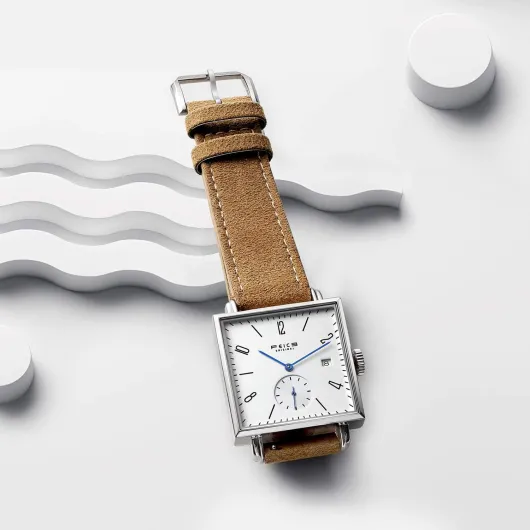
Some dress watches, such as certain Orient Bambino references tested in depth on this stainless steel and leather dress watch review, still rely on mineral glass to keep the regular price competitive. For purists focused on long term clarity, upgrading to watches sapphire models with full sapphire crystal is often the smarter choice, even if the initial sale price is higher. Over years of wear, the reduced need for polishing or crystal replacement can offset the original price difference and preserve both aesthetics and resale value.
Case materials, sapphire integration, and the role of stainless steel
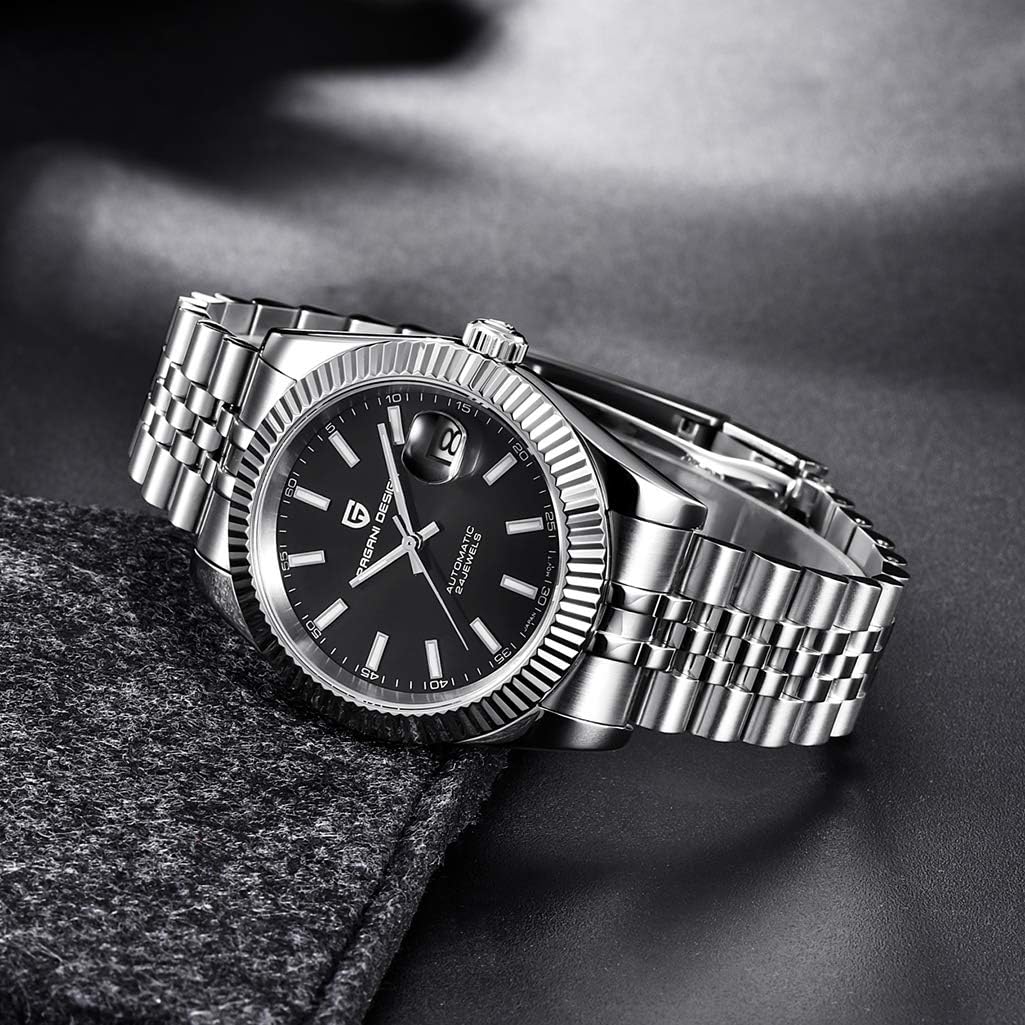
Case material defines how sapphire interacts with the rest of the watch, and this interplay separates merely good crystal watches from the best sapphire crystal luxury watches. Stainless steel remains the most versatile partner for sapphire glass because it balances price, durability, and finishing possibilities such as brushing and polishing. When a stainless steel case watch is capped with a slightly raised sapphire crystal, the transition between metal and glass can be chamfered to catch the light and frame the dial elegantly.
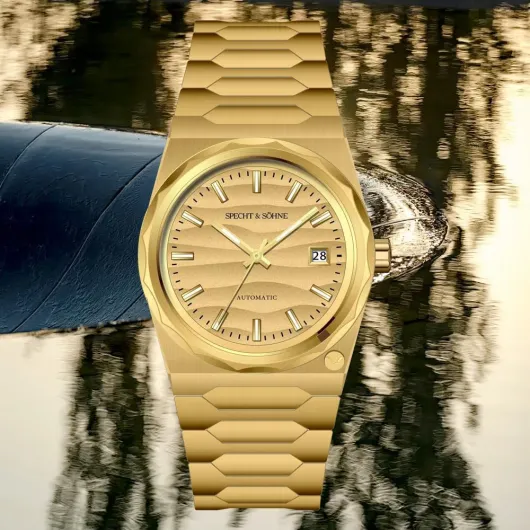
Gold cases introduce a different character, especially when paired with blue or black regular dials under a domed sapphire crystal. Yellow or rose gold regular references often use thicker sapphire glass to emphasize curvature, which creates beautiful distortions at the edge of the dial and enhances the perception of depth over the movement. Some maisons even mix gold and stainless steel in double tone constructions, using sapphire case backs to reveal the rotor, the balance that beats, and the architecture of the automatic calibre.
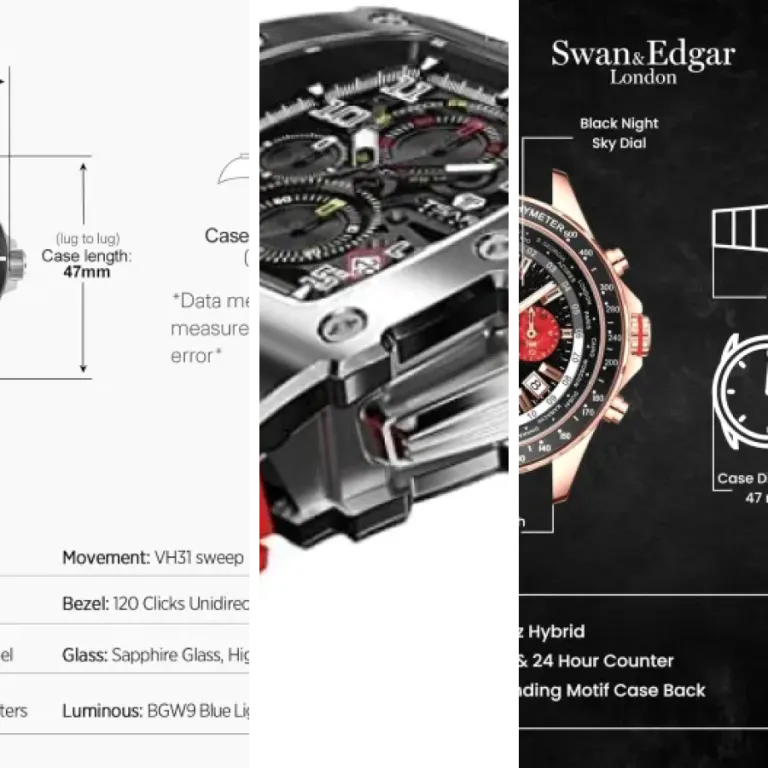
On the more avant garde side, brands such as Hublot experiment with big bang style designs that combine colored sapphire case elements, rubber, and titanium, pushing resistance sapphire engineering to its limits. These limited edition models, often produced as very small edition pieces, showcase how far machining techniques have progressed in shaping sapphire blocks into complex geometries. For collectors comparing a classic gold regular dress watch with a radical big bang sapphire case watch, the decision often comes down to whether they value timeless understatement or visible technical audacity, and both approaches can coexist in a mature collection.
For those who prefer jewelry inspired aesthetics, some Swarovski Imber Collection models, reviewed in this gold tone Swiss made watch analysis, illustrate how crystal and metal can be combined for maximum sparkle. While these pieces may not always use full sapphire crystal, they highlight how the play between glass, metal, and light informs the broader language of luxury watch design. Understanding this spectrum helps collectors appreciate why true sapphire glass and sapphire case constructions command a higher price in serious horology.
Dial aesthetics, color, and how sapphire shapes the visual experience
The dial is the emotional center of any watch, and sapphire crystal acts as both protector and lens for that visual story in the best sapphire crystal luxury watches. A flat sapphire glass will present the dial with clinical clarity, while a box shaped or highly domed sapphire crystal can introduce charming distortions at the periphery. Collectors often debate whether a crystal watch should prioritize perfect legibility or a more romantic, vintage inspired view that bends light around the seconds track and applied indexes.
Color choices interact strongly with sapphire, especially on blue, silver regular, or black regular dials that sit under anti reflective coated crystals. A deep blue sunburst dial under a double coated sapphire crystal can appear almost liquid, with each ray shifting as the watch moves and the movement beats beneath. Silver regular dials, by contrast, benefit from the neutral clarity of sapphire glass, which allows fine guilloché, printed seconds scales, and power reserve indicators to remain crisp even in harsh light.
Complications such as power reserve displays, small seconds, and tourbillon apertures rely on this clarity so that every indication remains readable at a glance. When a watch includes a power reserve scale showing remaining reserve hours, any distortion from inferior glass can make the hand difficult to place precisely. High grade sapphire crystal, especially when combined with thoughtful anti reflective treatment, ensures that even complex dials on limited edition or tourbillon automatic models remain functional tools rather than mere jewelry.
Jewelry oriented designs, such as the Swarovski Attract Collection highlighted in this rose gold tone women’s watch review, demonstrate how crystal can amplify dial sparkle. While these pieces may prioritize glamour over pure horological performance, they still illustrate how glass, crystal, and sapphire influence perceived depth and brilliance. For serious collectors, understanding this relationship helps in judging whether a given crystal watch offers the right balance between aesthetics, legibility, and long term durability.
Movements, tourbillons, and how sapphire frames mechanical performance
Mechanical performance sits at the heart of luxury watchmaking, and sapphire plays a crucial role in how we experience the movement in the best sapphire crystal luxury watches. A transparent sapphire case back transforms the watch into a miniature observatory, allowing a full view of the rotor, the bridges, and the balance that beats several times per second. When combined with a front sapphire crystal, the watch becomes a double sided showcase where every component of the movement is on display.
Tourbillon and tourbillon automatic calibres benefit especially from sapphire case architecture, because the rotating cage is meant to be admired from multiple angles. High horology brands often cut large apertures in the dial and use stepped sapphire glass to create a three dimensional view into the tourbillon, emphasizing the constant motion that averages out positional errors. In some limited edition or big bang inspired designs, the entire case watch is made from tinted sapphire, turning the tourbillon into a floating sculpture suspended within a transparent shell.
Power reserve remains a key specification for collectors who wear their watches regularly and expect consistent performance. A movement with a long power reserve, sometimes exceeding seventy reserve hours, allows the owner to rotate between watches without constantly resetting time and date. When the power reserve indicator is clearly visible under a high quality sapphire crystal, it becomes a practical tool rather than a decorative complication, reinforcing the sense that every design choice serves both beauty and function.
Even in more accessible segments, where stainless steel cases and regular price positioning dominate, sapphire glass over the dial and sapphire case backs elevate the perceived value of the movement. The ability to watch the seconds hand sweep smoothly while the escapement beats beneath a flawless crystal connects the owner emotionally to the mechanical heart of the watch. For many enthusiasts, this intimate view is precisely what separates a true luxury watch from a simple timekeeping device.
Water resistance, durability, and the real world value of sapphire
Durability in daily wear is where sapphire truly justifies its presence in the best sapphire crystal luxury watches. Water resistance ratings, whether thirty, fifty, or one hundred metres, depend heavily on how the sapphire crystal is seated and sealed within the case. A well engineered case watch will use gaskets and precise tolerances to ensure that the interface between stainless steel or gold and the sapphire glass remains watertight over years of use.
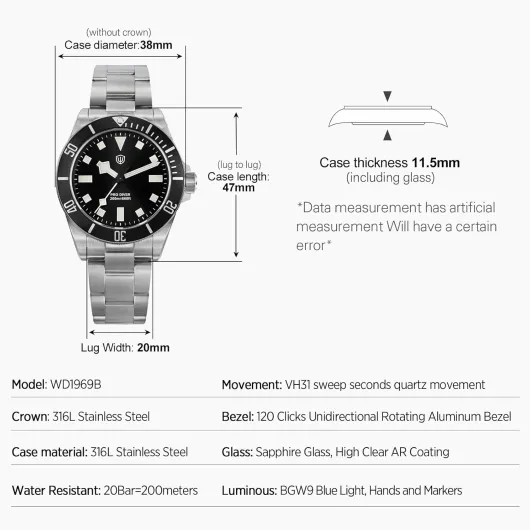
Sports models, including some big bang style chronographs, often feature thicker sapphire crystals to withstand shocks and pressure while maintaining resistance sapphire performance. These watches sapphire designs may also use screw down crowns and case backs, combining mechanical safeguards with the inherent hardness of sapphire to protect the movement from both impacts and moisture. When evaluating the price of such pieces, collectors should consider not only the stated water resistance but also the quality of the sapphire case integration and the long term stability of the seals.
Everyday wear inevitably exposes a watch to knocks against doorframes, desk edges, and other hazards that would quickly mark softer glass. Sapphire crystal and sapphire glass surfaces, by contrast, remain largely unscathed, preserving the clarity of the dial and the legibility of the seconds track, date window, and power reserve indicator. Over time, this resistance sapphire characteristic reduces maintenance costs and helps limited edition or gold regular models retain their aesthetic integrity and resale appeal.
Even for collectors who rotate between several crystal watches, the peace of mind offered by robust water resistance and scratch proof sapphire cannot be overstated. A stainless steel sports watch with a sapphire case back and a domed sapphire crystal on the front can transition from office to weekend without concern, whether paired with a suit or casual wear. In a market where regular price differences between mineral glass and sapphire equipped models may seem modest, the long term benefits of sapphire make it a rational choice as well as an emotional one.
Pricing, regular versus limited editions, and how sapphire influences value
Pricing strategy in luxury watchmaking often reflects the presence and complexity of sapphire components, especially in the segment of the best sapphire crystal luxury watches. A regular price stainless steel watch with a simple flat sapphire crystal will sit at one level, while a limited edition piece with a full sapphire case and sapphire glass back commands a significantly higher price. Collectors must decide whether the incremental cost of more elaborate sapphire case constructions aligns with their priorities, whether those are daily wear, investment potential, or pure aesthetic pleasure.
Gold regular models introduce another layer of complexity, because the intrinsic value of gold combines with the cost of high grade sapphire crystal and advanced machining. When a brand releases edition pieces that mix gold, stainless steel, and colored sapphire case elements, the sale price reflects not only material costs but also the technical difficulty of achieving perfect fits and long term water resistance. In such watches, every curve of the sapphire glass, every polished bevel on the case watch, and every visible part of the movement that beats beneath the crystal contributes to perceived value.
On the more accessible side, some brands maintain black regular, blue, or silver regular dial collections at a stable regular price by limiting sapphire use to the front crystal only. These watches sapphire models still benefit from scratch resistance and clear dial view, while omitting sapphire case backs or full sapphire case constructions to control costs. For many enthusiasts, this balance between performance, aesthetics, and price offers an attractive entry point into the world of crystal watch collecting.
When comparing crystal watches across different segments, it is useful to consider not just the headline price but also the long term ownership experience. A well executed sapphire crystal, combined with reliable water resistance and a movement with ample power reserve hours, can deliver decades of satisfaction with minimal intervention. In that sense, sapphire is not merely a luxury flourish but a rational investment in durability, clarity, and enduring beauty.
Key figures on sapphire crystal and luxury watchmaking
- Market research from Morgan Stanley and LuxeConsult estimated that Swiss watches with sapphire crystal accounted for more than 90 % of export value by value in recent years, showing how completely sapphire has replaced mineral glass at the higher end.
- According to Swatch Group technical data, synthetic sapphire used in watch crystals measures 9 on the Mohs hardness scale, while standard mineral glass typically measures around 5 to 6, which explains the dramatically improved scratch resistance sapphire provides.
- Rolex reports that its Oyster cases with sapphire crystal and screw down crowns achieve water resistance ratings starting at 100 metres, compared with 30 metres for many dress watches using thinner crystals, underlining the link between crystal engineering and robustness.
- Industry analyses from Deloitte indicate that limited edition and high complication watches, often featuring sapphire case backs or full sapphire cases, represent a small fraction of Swiss watch volumes but a disproportionately high share of profits for top brands.
- Technical notes from Omega and Audemars Piguet show that double sided anti reflective coatings on sapphire crystal can reduce surface reflections from around 8 % to less than 1 %, greatly improving dial legibility in bright conditions.