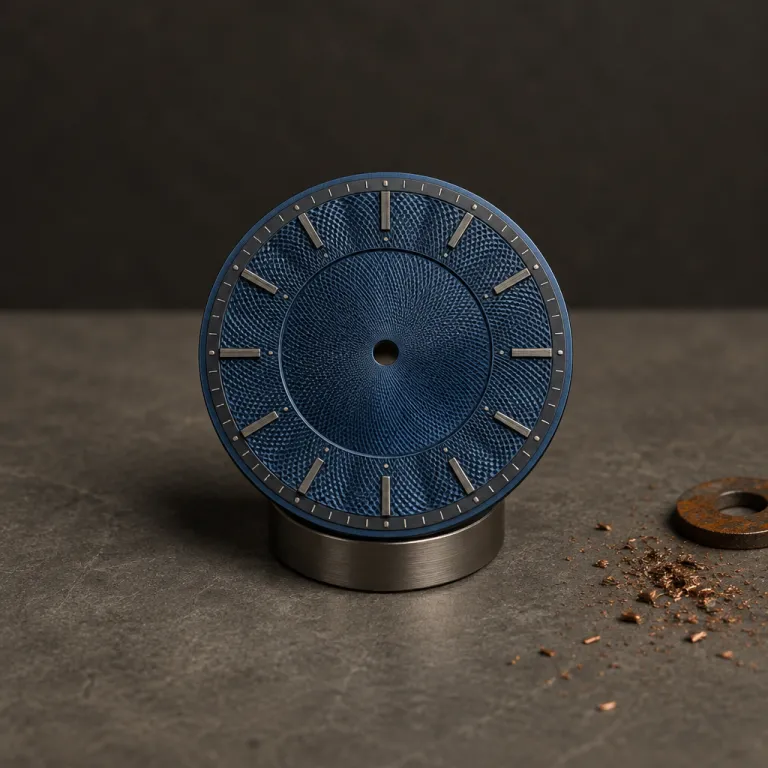
What a true guilloche watch dial really is
A true guilloche watch dial is not a texture, it is architecture in metal. When a dial is cut on a traditional rose engine or straight line engine, the cutting tool carves microscopic grooves that catch light like a field of mirrors and turn simple patterns into living surfaces. Once you have seen real engine turned work under a loupe, stamped or printed patterns on most watches feel flat and almost dead.
Guilloche in its purest form means the dial blank is slowly turned by hand while the engine traces a precise pattern, each pass shaving metal and building depth that no stamped CNC shortcut can fake. The operator adjusts pressure, feed and index by hand, so every guilloche pattern carries tiny irregularities that signal human craft rather than industrial repetition, and those nuances separate a high quality guilloche dial from a decorative watch dial that only mimics the look. When collectors talk about guilloche dials from houses like Breguet or Patek Philippe, they are really talking about this disciplined engine turning tradition, not about decorative patterns metal pressed in bulk.
On a serious guilloche watch dial you will usually see several patterns combined, with each pattern chosen to frame indications and manage reflections. A clous de Paris guilloche pattern might sit at the center, a barleycorn pattern could run along the minute track, and a sunburst style engine turned motif may radiate from the small seconds to guide the eye. This layered guilloche work is what gives certain watch dials their almost architectural view under changing light, and it is why seasoned collectors can often identify a respected atelier just from the way the patterns intersect.
Classic patterns, engines and how to read the surface
Most enthusiasts first meet guilloche through the obvious clous de Paris pattern, but the vocabulary of guilloche patterns is far richer. The rose engine allows circular and wave like patterns, while the straight line engine excels at basket weave, panier and barleycorn textures that run across the dial in disciplined rows. When you tilt a watch and see the light roll across these patterns metal surfaces in a fluid band, you are usually looking at genuine engine turning rather than a stamped surface.
Under magnification, a hand turned guilloche dial shows sharp, clean intersections where lines meet, with tiny burrs from the cutting tool that catch light differently from one groove to the next. A stamped guilloche style dial, even when executed with stamped CNC dies, tends to show rounded edges, slightly mushy corners and a uniform sheen that does not break into distinct flashes, and this is the quickest way to separate craft from print in any watch review. If you compare several guilloche dials side by side, the ones cut on a rose engine or straight line engine will show a subtle three dimensional relief that your eye reads instantly, even before your brain processes why the view feels deeper.
Modern workshops sometimes use CNC guilloche techniques, where a programmed cutting tool traces traditional guilloche patterns on a dial blank. This CNC guilloche approach can reach very high quality when the programmer respects classic engine turned geometries, but it still lacks the micro irregularities of pure hand work that connoisseurs prize. If you care about long term value and are considering expert dial refinishing services, focus on specialists who understand how original engine turning was executed rather than those who simply sandblast and reprint a watch dial surface, because restoration that ignores the original guilloche work will always look slightly off.
Hand turned versus stamped and CNC: following the light
The easiest way to judge a guilloche watch dial is not by the brand name on the dial, but by how the light moves across the surface. Hand turned guilloche dials from maisons like Breguet, Patek Philippe or independents such as Kari Voutilainen show a crisp, almost liquid play of light where each tiny groove acts as a mirror and the pattern seems to breathe as you rotate the watch. Stamped or laser textured watch dials, even on expensive watches, often show a duller, more uniform reflection that feels static rather than alive.
Stamped CNC production can still look attractive, especially when combined with anti reflective sapphire crystals and careful finishing, yet the difference becomes obvious once you compare it with a true engine turned guilloche dial under a loupe. On a stamped surface the pattern is pressed into the metal in one violent motion, so the valleys are compressed rather than cut and the edges soften, while on a hand turned dial the cutting tool removes metal gradually and leaves sharp ridges that hold their definition for decades. CNC guilloche sits somewhere in between, using engine turning logic but automated motion, and the best examples can rival traditional guilloche work in precision even if they lack the slight human irregularity that purists enjoy hunting for during a quiet watch review session.
Collectors who already care about movement architecture and complications such as true GMT versus caller GMT should apply the same scrutiny to the dial side. A guilloche pattern that is merely stamped may not justify a significant premium, while a genuinely engine turned surface can reasonably command higher pricing because the atelier invests hours of skilled hand work into each watch dial. Over time, that difference in craft becomes as central to your enjoyment as a well regulated calibre, and it is the kind of detail you still notice when the watch has been on your wrist for ten years and the marketing noise has faded.
Enamel, independents and the ateliers keeping the craft alive
At the very top of the pyramid sits guilloche under translucent grand feu enamel, where the guilloche pattern is first cut into the dial and then covered with layers of fired enamel that preserve the engine turned relief beneath a glassy surface. When light enters such a guilloche watch dial, it passes through the enamel, bounces off the patterns metal below and returns with a depth that no printed or stamped dial can match. This combination is rare because each firing risks cracking or distorting the enamel, and any flaw means the entire watch dial must be scrapped and the guilloche work repeated from scratch.
Brands like Patek Philippe and Breguet still maintain in house guilloche ateliers, where artisans sit at century old rose engine machines and practice engine turning as a daily craft rather than as a marketing story. Independents such as Kari Voutilainen and younger houses like Atelier Wen rely on smaller teams but often push guilloche patterns into bolder territory, mixing traditional clous de Paris or barleycorn with contemporary motifs that play with negative space and anti reflective finishes. When you view these watch dials in person, the difference between a guilloche dial cut by hand in a quiet atelier and a dial stamped by CNC in an industrial setting becomes obvious in the first second.
For collectors who enjoy pairing a refined dial with a carefully chosen strap, a deep wine leather strap watch can frame a silvered guilloche dial beautifully and emphasize the warmth of the engraved metal. The key is to respect the hierarchy of elements so the strap supports the guilloche work rather than competing with the patterns, especially when the dial already combines several guilloche patterns in different sectors. Over time you may find that your most worn watches are not the loudest pieces in the box, but the ones where the guilloche dials quietly reward every close view with new details.
How to judge value and pay for guilloche with clear eyes
When you stand at a boutique counter, the price gap between two watches with textured dials can feel arbitrary, yet the underlying guilloche work often explains the difference. A hand turned guilloche watch dial requires a trained operator, a well maintained engine and significant time at the bench, while a stamped CNC dial can be produced in seconds once the die is made and the press is set. That time and skill translate directly into cost, but they also translate into long term satisfaction when you keep returning to the same watch dial and still find new facets in the guilloche pattern years later.
To judge whether a given price is justified, start by asking how the dial was made and whether the brand uses genuine engine turning or relies on stamped or laser etched textures. Look at the intersections of the lines, the sharpness of the grooves and the way the cutting tool has interacted with the metal, because these clues tell you whether you are paying for real guilloche patterns or for a decorative surface that only imitates engine turned work. If the salesperson cannot explain whether the guilloche dials are cut by hand or by CNC guilloche machines, treat the claimed craft with caution and let your own view under the loupe guide your decision.
Seasoned collectors often keep a mental hierarchy where a fully hand turned guilloche dial sits at the top, followed by carefully executed CNC guilloche, then by high quality stamped CNC textures and finally by printed patterns that only mimic depth. That hierarchy does not mean you should ignore more affordable watches with stamped dials, but it does mean you should align what you pay with the level of craft actually present on the watch dial. In the end, guilloche is less about the press release and more about how the watch looks on your wrist after ten years of wear, when the marketing has faded and only the metal, the patterns and the light remain.
FAQ
How can I tell if a guilloche dial is hand engraved or stamped ?
Use a loupe and study the grooves closely under strong light. Hand turned guilloche shows sharp, clean edges, crisp intersections and tiny irregularities from the cutting tool, while stamped or laser textured dials look smoother and more uniform. If the pattern appears perfectly identical across the entire surface with rounded valleys, it is likely stamped rather than engine turned.
Are CNC guilloche dials considered real guilloche ?
CNC guilloche uses a programmed machine to cut patterns into the metal, following the same geometric logic as traditional engine turning. The result is still a cut surface, not a pressed one, so it qualifies as real guilloche even if the process is automated. Purists may prefer fully hand operated engines, but high quality CNC work can deliver excellent precision and durability.
Why do some guilloche dials cost significantly more than others ?
The cost reflects the time, skill and equipment required to produce the dial. Hand turned guilloche demands a trained artisan, careful setup of the engine and slow, deliberate cutting, which all increase labor costs. Stamped or printed textures are far cheaper to produce, so when prices are similar you are usually paying more for marketing than for actual craft.
Does guilloche affect legibility and daily wear ?
Guilloche can improve legibility by breaking up reflections and guiding the eye toward key indications. Well designed patterns work with anti reflective crystals and contrasting hands to keep the dial readable in varied light, while poorly chosen textures can create glare or visual noise. On a well executed watch, guilloche becomes part of the functional design, not just decoration.
Is guilloche under enamel more fragile than bare metal guilloche ?
Guilloche under grand feu enamel is challenging to produce, but once finished it is quite robust in normal use. The enamel layer protects the underlying pattern from oxidation and minor scratches, although a hard impact can still chip the surface. Bare metal guilloche may show hairline scratches more easily, yet it can often be carefully refreshed by a skilled specialist during restoration.