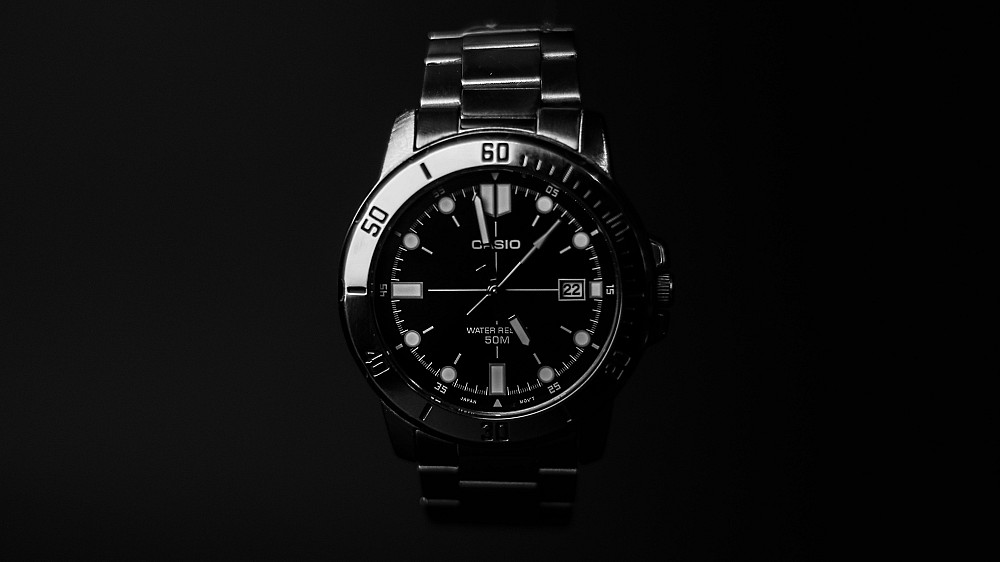
The essential role of watch lugs in luxury watch design
Understanding what is a watch lug is fundamental for any serious collector. A lug is the small extension of the watch case where the strap or bracelet attaches, and these lugs quietly dictate how a watch sits on the wrist and how its design is perceived. When you evaluate luxury watches, the relationship between the lugs, the case, the strap, and the overall size becomes as important as the movement inside.
On refined dress watches, straight lugs can create a clean architectural line between the watch case and the watch strap. In contrast, curved lugs or teardrop lugs add sensuality, softening the transition from case diameter to strap width and giving the watch a more organic presence on the wrist. Collectors who ask what watch details truly matter quickly realize that lug types and lug width influence comfort, balance, and even perceived value.
Many vintage watches, including early swiss icons and historic Rolex references, use slim wire lugs that make the case appear lighter and more delicate. These wire lugs often define the character of a lugs watch, especially when paired with a fine leather strap bracelet in rose gold or steel. Whether you examine explorer lugs on a tool watch or straight lugs on a limited edition dress piece, you are essentially reading the design language of the watch lugs themselves.
Proportions, lug width, and the harmony between case and strap
When collectors ask what is a watch lug in practical terms, the answer quickly leads to proportions. Lug width, usually measured in millimetres, determines which straps or bracelet types will fit between the lugs and how visually grounded the watch appears. A well judged diameter lug relationship, balancing case diameter and lug width, can make even larger watches feel elegant and wearable.
On a classic swiss dress watch, a 36 millimetre watch case with a 20 millimetre lug width often looks harmonious on a medium wrist. If the lugs are too long or the lug types are poorly curved, the watch may overhang the wrist and feel awkward despite a modest case diameter. This is why seasoned collectors always measure both the case and the lugs, not just the nominal size of the watch.
Curved lugs tend to hug the wrist more closely, while straight lugs project outward and can make the watch appear larger. Teardrop lugs, often seen on vintage watches in rose gold, create a sculptural effect that pairs beautifully with a slim leather watch strap. For enthusiasts who rotate many straps and strap bracelet combinations, understanding lug width and the exact geometry of the watch lugs is essential for achieving a perfect fit and preserving the integrity of the watch case.
Lug types from vintage wire lugs to modern explorer lugs
Exploring what is a watch lug inevitably leads to a taxonomy of lug types across eras. Early wristwatches often used soldered wire lugs, which transformed pocket watch style cases into practical watches for the wrist. These wire lugs are minimal yet strong, and they give many vintage watches a distinctive, almost jewel like profile when viewed from the side.
As watch design evolved, straight lugs became common on tool watches and early Rolex explorer models, creating what collectors now call explorer lugs. Explorer lugs are typically robust, with clear lines that emphasise the functional nature of the watch and its bracelet or strap. In contrast, teardrop lugs and other sculpted forms appeared on high end dress watches, especially in rose gold, where the lugs themselves became a decorative element.
Modern swiss manufacturers experiment with curved lugs that integrate seamlessly into metal bracelet types, blurring the line between watch case and strap bracelet. Limited edition pieces sometimes reinterpret historic lug types, combining vintage aesthetics like wire lugs with contemporary case diameter and lug width standards. For the passionate lugs watch enthusiast, these subtle variations in watch lugs tell a story about era, purpose, and the evolving relationship between watches and the human wrist.
Comfort on the wrist and the real world impact of lug geometry
For many collectors, what is a watch lug becomes a question of comfort during daily wear. The way lugs curve, their length, and the lug width all influence how the watch head distributes weight across the wrist. A watch with long straight lugs and a large case diameter may feel top heavy, while a similar size with shorter curved lugs can sit securely and discreetly.
Curved lugs effectively wrap the watch case around the natural contour of the wrist, especially when paired with a supple leather watch strap. Straight lugs, by contrast, can create a more angular stance that suits sporty watches and integrated bracelet types, but they demand careful attention to diameter lug proportions. Enthusiasts who favour vintage watches often appreciate how wire lugs and teardrop lugs keep the visual mass compact, allowing even smaller cases to have strong presence without discomfort.
When evaluating what watch to add to a collection, experienced buyers test how the lugs interact with different straps and strap bracelet combinations. A lugs watch with well designed explorer lugs or refined dress watch lugs will feel balanced whether worn on a bracelet or a classic strap. Over time, understanding the nuances of watch lugs helps collectors curate watches that not only look great but also feel natural on the wrist for long periods.
Aesthetic identity, materials, and the emotional power of watch lugs
Beyond mechanics and comfort, what is a watch lug if not a signature of aesthetic identity. The silhouette of the lugs frames the watch case, guiding the eye from dial to strap and defining the personality of both vintage watches and contemporary pieces. Straight lugs can communicate strength and clarity, while curved lugs or teardrop lugs suggest refinement and fluidity.
In rose gold dress watches, sculpted lugs catch the light and emphasise the warmth of the metal, especially when contrasted with a dark leather watch strap. On a steel Rolex with explorer lugs, the transition from case to bracelet underlines the tool watch heritage and the robust character of the watch. Limited edition swiss models sometimes highlight unusual lug types or diameter lug treatments, turning the lugs themselves into a focal point for collectors.
Material innovation also plays a role, as advanced alloys and finishing techniques enhance the visual impact of watch lugs and lugs watch designs. For a deeper look at how metals influence case and lug aesthetics, many enthusiasts study analyses of metallurgical innovation in luxury timepieces. Ultimately, the interplay between case diameter, lug width, strap bracelet choice, and lug types shapes the emotional response a watch evokes every time it meets the wrist.
Collecting strategies, strap choices, and the secondary market for lugs focused watches
Serious collectors who understand what is a watch lug often build strategies around lug geometry. They may focus on vintage watches with rare wire lugs, or on limited edition swiss models whose teardrop lugs or explorer lugs mark a specific design era. In the secondary market, subtle differences in lug types, lug width, and case diameter can significantly influence desirability and price.
Condition of the watch lugs is critical, because over polished lugs can lose their original lines and compromise both aesthetics and value. A Rolex with crisp straight lugs or a rose gold dress watch with untouched curved lugs will command a premium over similar watches with softened profiles. Collectors also pay attention to drilled lugs, which make strap changes easier and encourage experimentation with various watch strap and strap bracelet options.
For enthusiasts who enjoy rotating straps, understanding lug width ensures that leather straps, rubber straps, and metal bracelet types all fit securely and proportionally. Many lugs watch aficionados maintain collections of straps tailored to specific lug widths, allowing a single watch case to shift from formal to casual with ease. To refine these choices and compare how different lugs behave in person, visiting a specialised retailer such as a dedicated luxury watch shop can provide invaluable hands on insight.
Evaluating lugs when buying, from modern swiss icons to rare vintage pieces
When assessing what is a watch lug during a purchase, a methodical approach helps avoid costly mistakes. Start by examining the overall relationship between case diameter, diameter lug span, and lug width, then consider how the lugs will sit on your specific wrist. A watch that looks great in photos may feel unbalanced if the lugs are too long, too straight, or insufficiently curved for your anatomy.
Inspect the watch lugs closely for signs of over polishing, solder repairs on wire lugs, or asymmetry in straight lugs and curved lugs. On vintage watches, original teardrop lugs or explorer lugs can be a strong indicator of authenticity and careful ownership, especially on high value swiss or Rolex pieces. For modern dress watches and sports watches alike, ensure that the lug types are compatible with your preferred watch strap or bracelet types, including any strap bracelet combinations you plan to use.
Finally, always test the watch on the wrist with different straps when possible, paying attention to how the lugs watch profile changes with leather, rubber, or metal. A well designed watch case with harmonious lugs will feel like a natural extension of your wrist rather than a separate object. Over time, this sensitivity to the nuances of watch lugs will refine your eye, elevate your collecting decisions, and deepen your appreciation for the subtle art of luxury watch design.
Key statistics about watch lugs and luxury watches
- Statistics dataset not provided in the brief, so no verified quantitative figures can be cited here.
Frequently asked questions about watch lugs
What is a watch lug in simple terms ?
A watch lug is the protruding part of the watch case where the strap or bracelet attaches. It connects the watch head to the strap, allowing the watch to be worn securely on the wrist. Its shape, length, and width strongly influence comfort and aesthetics.
How does lug width affect strap choices ?
Lug width determines the exact width of the strap or bracelet that will fit between the lugs. If the lug width is 20 millimetres, you need a 20 millimetre strap for a precise fit without gaps or overhang. Choosing the correct lug width ensures both security and visual harmony.
Why are vintage wire lugs so sought after ?
Vintage wire lugs are appreciated because they represent an early stage in wristwatch evolution and give the watch a delicate, almost jewellery like profile. They often appear on historically important swiss and military watches, which adds to their appeal. Collectors value original, unaltered wire lugs as a sign of authenticity and good preservation.
Are curved lugs more comfortable than straight lugs ?
Curved lugs usually follow the natural contour of the wrist, which can improve comfort, especially on larger cases. Straight lugs can also be comfortable if they are short and well proportioned relative to the case diameter and wrist size. Ultimately, comfort depends on the combination of lug geometry, strap type, and individual wrist shape.
What should I check on the lugs when buying a pre owned watch ?
When buying pre owned, examine the lugs for over polishing, dents, or asymmetry that might indicate heavy wear or repair. Ensure that spring bar holes are not enlarged or damaged, particularly on vintage watches with drilled lugs or wire lugs. Well preserved, sharply defined lugs usually signal a watch that has been carefully worn and serviced.